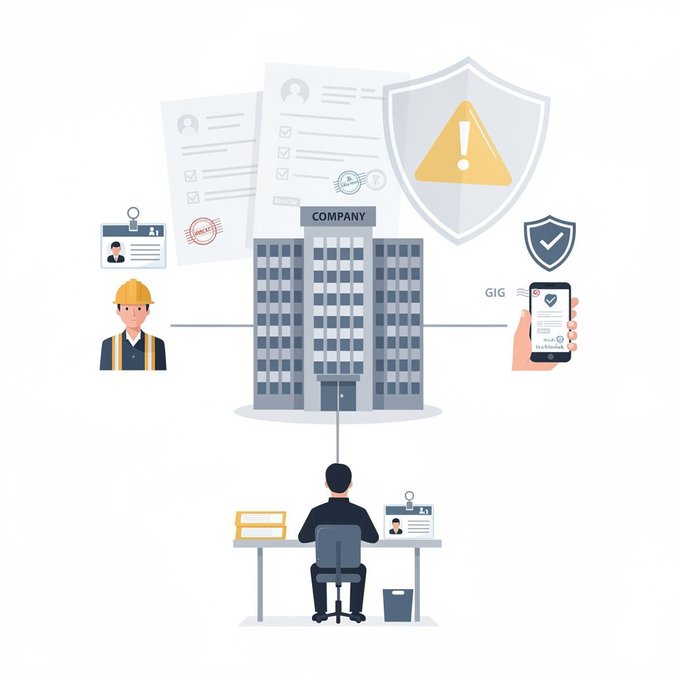
Home Secretary Shabana Mahmood has published a package of reforms that ministers say will “save Britain’s asylum system for a generation”. At the heart of the plan is the creation of three new safe and legal pathways—community, university and employer sponsorship—modelled on Canada’s privately sponsored-refugee programme. Charities, faith groups, local employers and accredited universities will be able to apply to act as ‘lead sponsors’ when the application window opens this autumn, with the first arrivals expected in late-2027. Alongside the new routes, the Immigration and Asylum Bill will tighten the UK’s application of Article 8 of the European Convention on Human Rights. ‘Family life’ rights will in future be limited to spouses, partners and children under 18 (except in the most exceptional cases). The Bill also proposes tougher tests for foreign criminals resisting deportation and requires UK-based sponsors—not overseas relatives—to submit most Article 8 applications. Mahmood promised that the Home Office would retain “full control” of vetting while the UNHCR will help to certify refugee status. All arrivals will face biometric, criminal-record and health screening. A dedicated modern-slavery chapter pledges an independent guardian for every trafficked child, higher corporate fines of up to £1 million for supply-chain breaches and the withdrawal of protections from foreign nationals who commit any imprisonable offence. For international employers the most eye-catching proposal is a ‘Refugee Work Route’ to be launched next year. The route will allow companies on the Home Office sponsor register to employ refugees directly, counting time worked toward settlement. Ministers hope this will reduce skills shortages and lower dependency on irregular migration. Business-travel managers should watch the parliamentary timetable closely: officials expect secondary legislation to start appearing by early-2027, meaning that company mobility policies, right-to-work checks and global-talent recruitment strategies will all need updates well before then.
Source: Home Office – GOV.UK