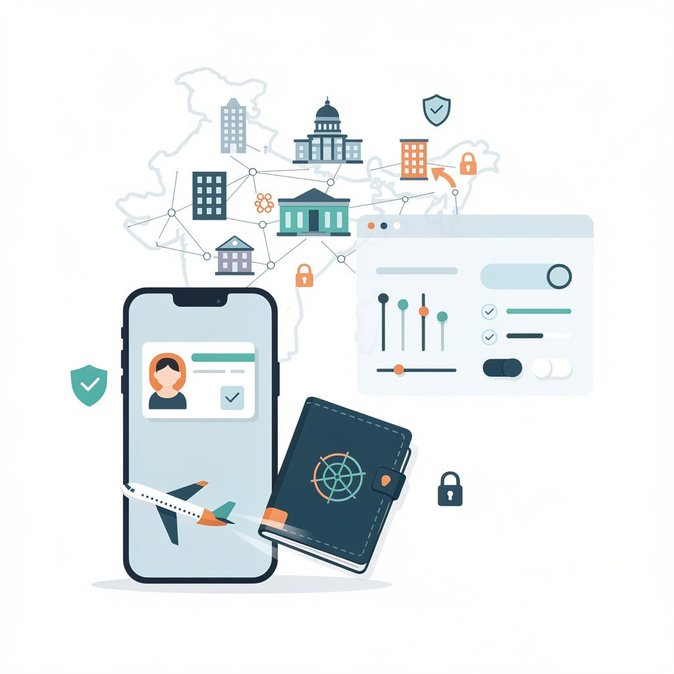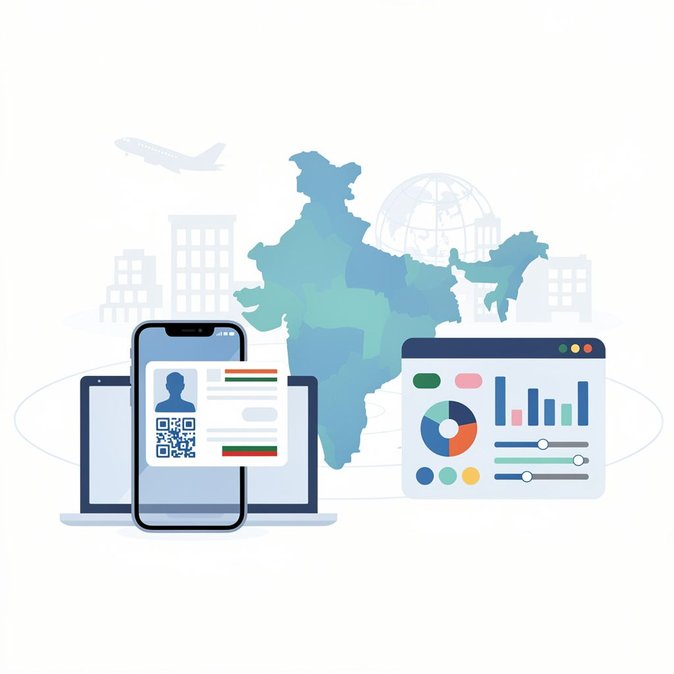
Home Minister Amit Shah on 30 June unveiled two of the biggest technology upgrades to India’s mobility and immigration ecosystem in a decade: a 100 per cent-digital Overseas Citizen of India (e-OCI) card and the FCRA 2.0 portal for organisations receiving foreign funds. The new e-OCI platform will allow the country’s 4.5 million OCI card-holders – many of whom are senior executives posted abroad – to complete the entire application, renewal and passport-update process online and to download a secure, QR-coded digital card instead of waiting for a physical booklet. The system also removes the long-criticised requirement for card-holders over the age of 20 to obtain a fresh booklet every time they change passports, a change expected to save weeks of downtime for frequent business travellers. At the same event the minister switched on FCRA 2.0, a rebuilt portal that handles licensing, renewals and annual returns for India’s 14,500 organisations that receive overseas donations. Integrated back-end links to Aadhaar, PAN and the new e-OCI database mean that compliance checks that previously took months can now be completed in near real time. Officials said the upgrade will help screen suspicious transactions without adding red tape for legitimate NGOs and companies. Background: the existing OCI regime, launched in 2006, has grown in complexity and now supports more than 200,000 new applications a year. Paper bottlenecks – especially for passport re-issuance updates – regularly caused travel disruptions and forced card-holders to queue at consulates. Digitisation brings the programme in line with India’s broader IVFRT (Immigration, Visa, Foreigners Registration & Tracking) modernisation plan. Business implications: multinational employers can now onboard returning Indians or third-country nationals of Indian origin faster, and HR teams will face fewer compliance surprises linked to passport renewals. NGOs and corporate foundations dealing with foreign donations have likewise been advised to migrate to the new FCRA portal immediately to avoid processing delays during quarterly reporting. Practical tips: 1) Existing OCI holders should create an account on the new portal and upload a scan of their current passport to activate the digital card. 2) Companies that reimburse staff for OCI fees should update internal policy because re-issuance costs will disappear in most cases. 3) FCRA-registered entities should schedule staff training on the new dashboard and two-factor authentication requirements introduced with version 2.0.
Source: NDTV