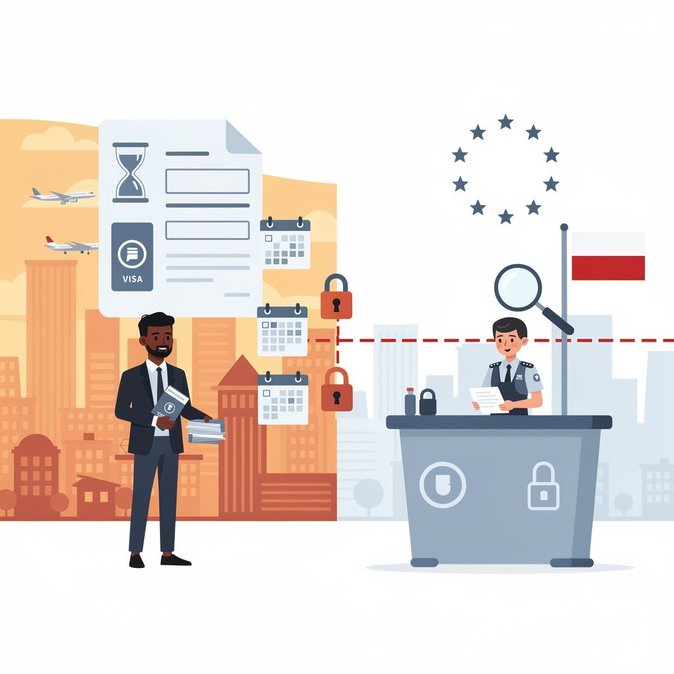
Meeting in Luxembourg on 29 June, the EU’s Justice and Home Affairs Council formally endorsed a decision to suspend several visa facilitation clauses for Somali nationals because Mogadishu has “shown insufficient cooperation on readmission of its citizens who have no legal right to stay in the EU.” The measure takes immediate effect across the Schengen Area, including at Polish consulates worldwide and at external borders. Key elements include higher visa-application fees, longer processing times, mandatory in-person interviews and stricter documentary proof of itinerary and finances. Member states are also authorised to refuse multiple-entry visas by default. The restrictions will be reviewed after six months; they can be lifted sooner if the Commission reports “substantial improvement” in readmission cooperation. For Polish employers rotating staff to and from the Horn of Africa – notably in the humanitarian, mining and telecom sectors – the change means project planning must account for potentially protracted visa lead-times. Somali crew changes at Gdańsk’s ship-repair yards and short-term training visits to Warsaw aviation schools will likewise be affected. HR teams should cross-check upcoming assignments and advise Somali partners to assemble comprehensive documentation, including confirmed return flights and recent bank statements. Travel managers may also explore routing via Istanbul or Doha, where Somali passport-holders can often obtain onward visas while waiting for Schengen approval. Poland’s Foreign Ministry said in a brief statement that consular sections have updated internal check-lists and will “apply the Council decision in full as of 1 July,” urging applicants to consult embassy websites for new requirements.