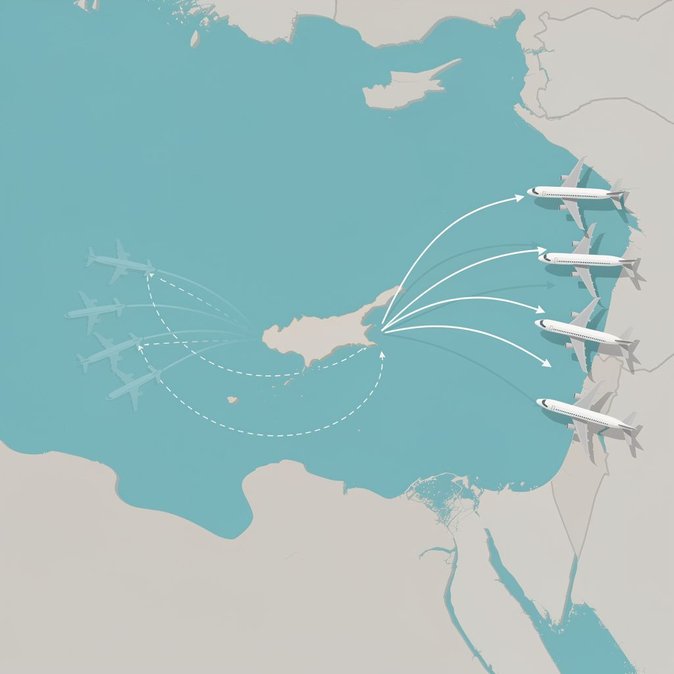
Global airline body IATA reported a 28.4 % year-on-year drop in passenger traffic for Middle-Eastern carriers in May, with knock-on effects now visible in Cyprus’ visitor numbers, according to data released on July 1. The Cyprus Mail notes a parallel decline in bookings into Larnaca and Paphos for late summer, attributing the softness to route adjustments by Gulf carriers and traveller wariness about transiting regional hubs. Domestic (intra-EU) traffic remained relatively resilient, falling only 3.1 %, but Cyprus relies heavily on long-haul connections via Doha, Dubai and Abu Dhabi—gateways that have trimmed capacity to compensate for conflict-related overflight restrictions. Tour operators say cancellations are highest among high-spending tourists from Australia and South Africa who traditionally reach Cyprus on one-stop itineraries through the Gulf. Business travel is also feeling the pinch. Professional-services firms report that clients are requesting more virtual meetings, while multinational companies have postponed several intra-company transfers scheduled for Q3, citing uncertainty over flight schedules and insurance premiums. Cyprus’ airports operator Hermes is lobbying airlines for additional point-to-point European seats to plug the gap. Industry analysts believe the island could partially offset the loss by leveraging new seasonal routes announced by Wizz Air and Ryanair; however, those flights mainly serve sun-and-sea holidaymakers rather than long-stay expatriates. For mobility managers, the IATA update reinforces the importance of multi-carrier booking strategies and split-team staffing models. Employers should revisit travel-approval thresholds and ensure that critical assignees have back-up routing options through Athens or Istanbul should Gulf connections deteriorate further.
Source: Cyprus Mail