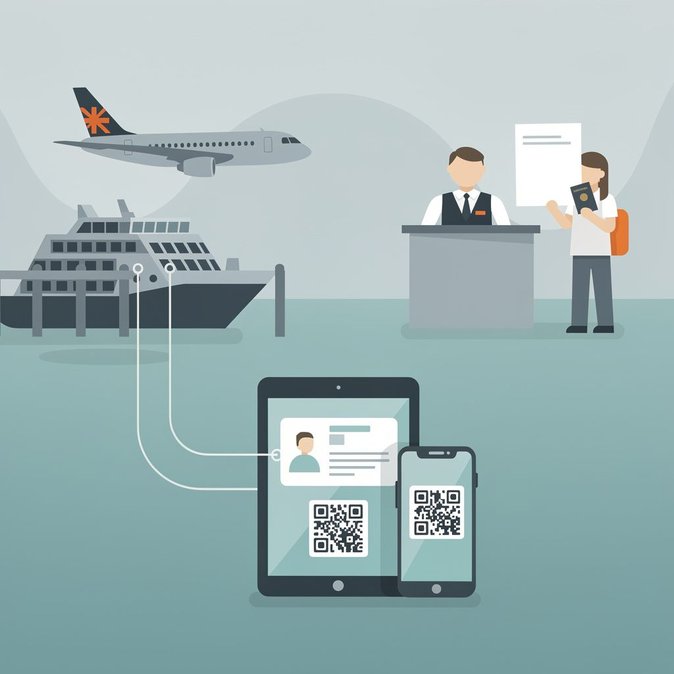
To complement the abolition of visa stickers, UK Visas & Immigration has updated its 34-page "Document checks and charges for carriers" manual. The 1 July 2026 revision introduces a new “Form for Accompanying an eVisa” (FAV) that airlines, ferry operators and Eurostar must recognise when validating passengers’ permission to travel.
Travel programme administrators who are unsure whether their staff or contracted carriers are correctly aligned with the new rules can lean on specialist visa advisers. VisaHQ, for example, already supports UK eVisa applicants and their employers by supplying real-time status tracking, printable FAV copies and personalised compliance briefings; more details are available at https://www.visahq.com/united-kingdom/
The form replaces the paper visa vignette reference previously affixed to passports. Section 2.3 now instructs carriers to treat a passport-number match in the government’s Carrier Check API or a printed FAV linked to an eVisa as sufficient evidence of authority to board. Failure to perform the check can still trigger a £2 000 charge per improperly documented passenger, but officials say the API should reduce accidental infractions by providing real-time status confirmation. The update also clarifies that expired biometric residence permits can no longer be used for travel, reflecting the broader shift to digital status. Industry compliance teams have until the end of July to retrain check-in agents and update standard-operating procedures. For corporate travel managers the key takeaway is that employees arriving with newly issued eVisas may no longer have any physical visa evidence in their passport. Ensuring travellers carry the correct passport and, where advised, a printed copy of their status page or the FAV could prevent last-minute boarding denials during the transition phase. Carriers that fail to integrate the API risk penalties and operational disruption; many are accelerating IT upgrades to avoid manual work-arounds during the busy summer holiday season.

Travel programme administrators who are unsure whether their staff or contracted carriers are correctly aligned with the new rules can lean on specialist visa advisers. VisaHQ, for example, already supports UK eVisa applicants and their employers by supplying real-time status tracking, printable FAV copies and personalised compliance briefings; more details are available at https://www.visahq.com/united-kingdom/
The form replaces the paper visa vignette reference previously affixed to passports. Section 2.3 now instructs carriers to treat a passport-number match in the government’s Carrier Check API or a printed FAV linked to an eVisa as sufficient evidence of authority to board. Failure to perform the check can still trigger a £2 000 charge per improperly documented passenger, but officials say the API should reduce accidental infractions by providing real-time status confirmation. The update also clarifies that expired biometric residence permits can no longer be used for travel, reflecting the broader shift to digital status. Industry compliance teams have until the end of July to retrain check-in agents and update standard-operating procedures. For corporate travel managers the key takeaway is that employees arriving with newly issued eVisas may no longer have any physical visa evidence in their passport. Ensuring travellers carry the correct passport and, where advised, a printed copy of their status page or the FAV could prevent last-minute boarding denials during the transition phase. Carriers that fail to integrate the API risk penalties and operational disruption; many are accelerating IT upgrades to avoid manual work-arounds during the busy summer holiday season.