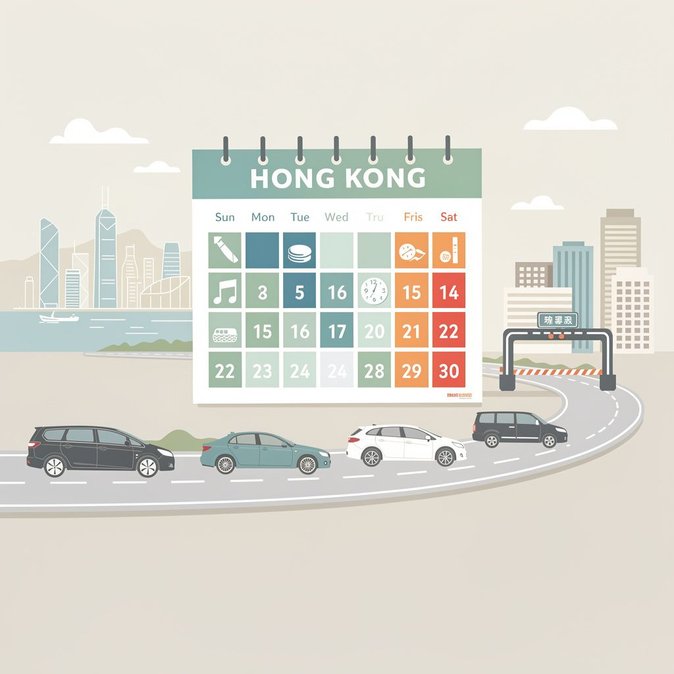
Hong Kong’s Transport Department updated its “Northbound Travel for Hong Kong Vehicles” portal on 1 July with a new calendar showing which days private cars can cross the Hong Kong–Zhuhai–Macao Bridge without advance booking from July 2026 through January 2027. Notably, all Tuesdays and Wednesdays remain booking-exempt except public-holiday weeks, while weekends and the days immediately before holidays still require reservations. The northbound scheme, launched in July 2025, lets Hong Kong-registered cars enter Guangdong without a mainland licence plate, provided owners secure an electronic permit and a time-slot through the “Specified Dates Booking System”. Authorities cap daily northbound movements to 2,000 vehicles to prevent congestion at Zhuhai Port.
While the bridge scheme’s permit process is handled directly with government portals, travelers often still need mainland China visas for accompanying staff or onward journeys. VisaHQ’s Hong Kong office (https://www.visahq.com/hong-kong/) can expedite those visa applications, arrange secure passport couriering, and monitor status updates in real time, allowing fleet managers to concentrate on booking slots and routing rather than paperwork.
For corporate fleet managers and senior-executive drivers, the fresh calendar is critical to itinerary planning around Mid-Autumn (1 October) and the National Day “Golden Week”, when quota demand spikes. Firms should lock in slots as soon as the booking window for public-holiday dates opens (usually on the 15th of the preceding month) to avoid diverting via Shenzhen Bay, where wait times can exceed two hours during peak periods. The Transport Department also reiterated penalties for non-compliance: vehicles that cross without a valid slot risk suspension from the scheme and referral to mainland traffic authorities, who can cancel electronic licences. Insurers warn that unauthorised trips may void cross-border motor policies, leaving employers exposed to third-party liabilities. Looking ahead, Guangdong and Hong Kong officials are studying a quota increase once the Huanggang 24-hour co-location checkpoint opens later this year. Until then, mobility teams should treat the newly-published “no-booking days” as the best opportunity for same-day executive visits and just-in-time deliveries across the GBA.
While the bridge scheme’s permit process is handled directly with government portals, travelers often still need mainland China visas for accompanying staff or onward journeys. VisaHQ’s Hong Kong office (https://www.visahq.com/hong-kong/) can expedite those visa applications, arrange secure passport couriering, and monitor status updates in real time, allowing fleet managers to concentrate on booking slots and routing rather than paperwork.
For corporate fleet managers and senior-executive drivers, the fresh calendar is critical to itinerary planning around Mid-Autumn (1 October) and the National Day “Golden Week”, when quota demand spikes. Firms should lock in slots as soon as the booking window for public-holiday dates opens (usually on the 15th of the preceding month) to avoid diverting via Shenzhen Bay, where wait times can exceed two hours during peak periods. The Transport Department also reiterated penalties for non-compliance: vehicles that cross without a valid slot risk suspension from the scheme and referral to mainland traffic authorities, who can cancel electronic licences. Insurers warn that unauthorised trips may void cross-border motor policies, leaving employers exposed to third-party liabilities. Looking ahead, Guangdong and Hong Kong officials are studying a quota increase once the Huanggang 24-hour co-location checkpoint opens later this year. Until then, mobility teams should treat the newly-published “no-booking days” as the best opportunity for same-day executive visits and just-in-time deliveries across the GBA.