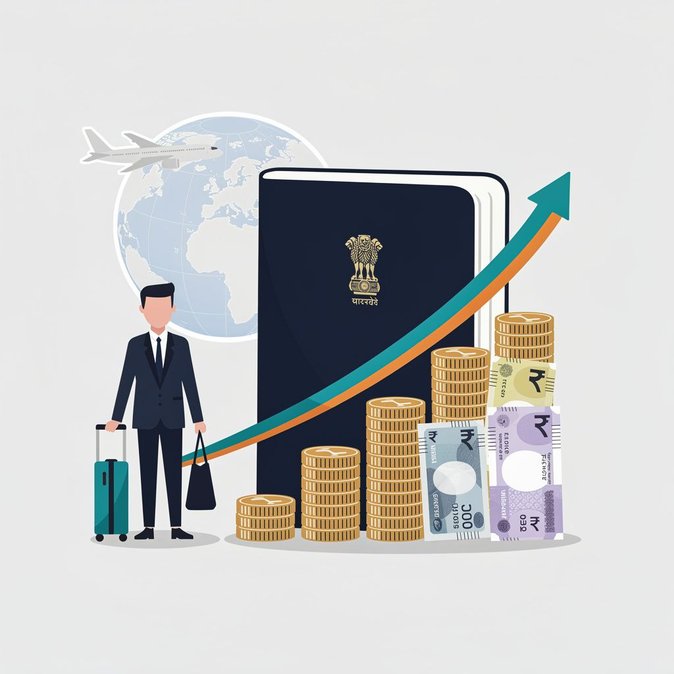
From 1 July 2026, Indian citizens applying for a passport will pay substantially more after the Ministry of External Affairs (MEA) notified amended Passports Rules. A fresh 36-page booklet now costs ₹2,500 (up from ₹1,500) and a 60-page booklet costs ₹3,500. ‘Tatkal’ applications rise to ₹5,000 and ₹6,000 respectively, while replacement of damaged or lost booklets now attracts fees of up to ₹8,500. The MEA said the hike reflects higher printing, security-feature and service-partner costs under the nationwide Passport Seva Project. Since 2012, the passport network has expanded from 77 to 545 Passport Seva Kendras and Post-Office centres, processing a record 15 million applications in 2025. Officials argue that larger volumes and the ongoing roll-out of chip-enabled e-passports require recurrent investments in blank booklets, biometric kits and cybersecurity. Business-travel consultants warn that companies budgeting for assignee documentation will need to absorb the 40-75 per cent increase. A family of four applying for new passports will now spend ₹10,000 instead of ₹6,000—before police-verification and courier charges. Employers should update assignment cost projections and consider bulk scheduling passport renewals well ahead of their employees’ expiry dates. For global mobility managers, the steeper ‘Tatkal’ surcharge narrows the gap between regular and expedited processing times (now six and three working days respectively in metro locations). Travel-risk teams should remind staff that most foreign missions will not accept visa applications on an expiring passport with less than six months’ validity, making timely renewal critical.
Source: The Indian Express