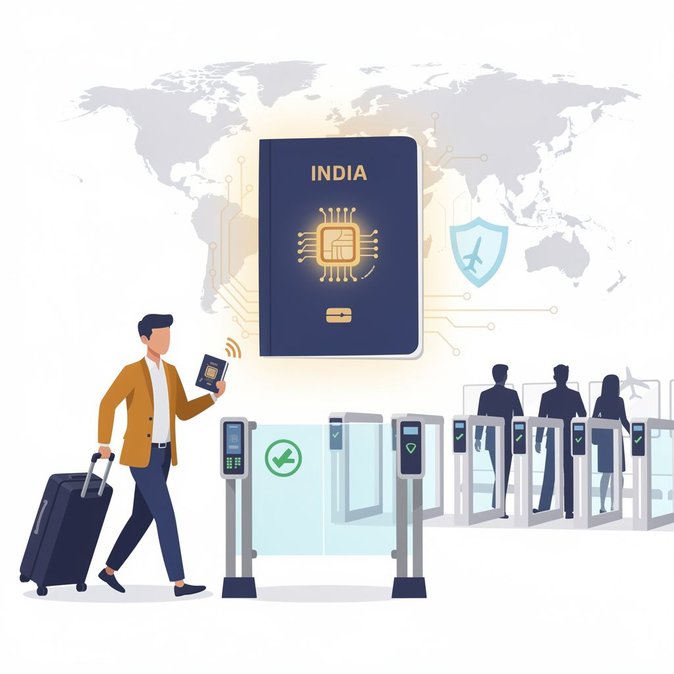
Following successful pilots in nine Regional Passport Offices, India has confirmed the mass issuance of chip-embedded e-Passports by September 2026. The transition, highlighted in an MEA briefing on 25 June, brings India in line with ICAO standards used by more than 150 countries. Each passport’s polycarbonate data page integrates an RFID chip that contains the holder’s facial image and biographic details digitally signed by India’s certification authority.
For travellers seeking a hassle-free way to adapt to these changes, VisaHQ offers end-to-end assistance with e-Passport applications and renewals, including document checks, appointment scheduling and courier delivery. You can start the process or chat with an expert at https://www.visahq.com/india/
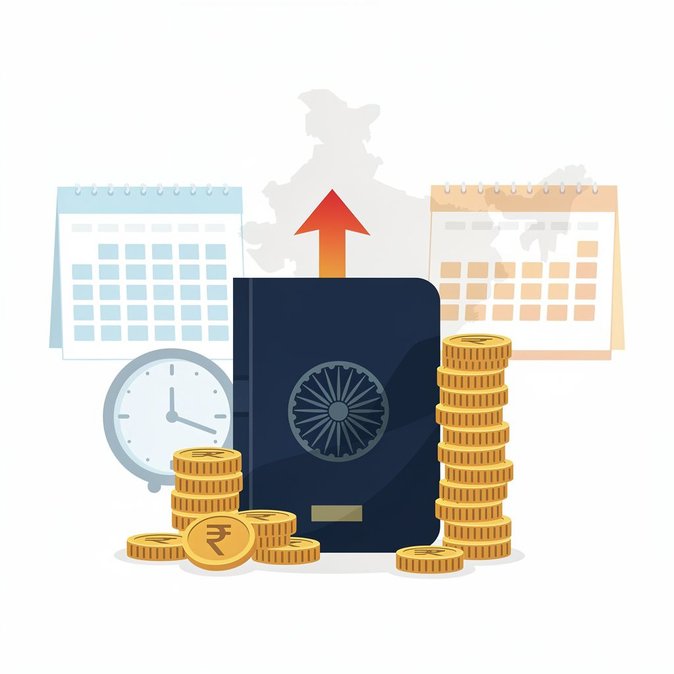
When presented at automated border gates abroad, the chip is read cryptographically to confirm authenticity, slashing inspection time to under 10 seconds. Immigration authorities in Singapore, Germany and the United Arab Emirates have already white-listed India’s digital certificate, meaning many Indian travellers will experience “straight-to-e-gate” entry later this year. Domestically, the Bureau of Immigration plans to retrofit 124 counters at Delhi, Mumbai and Bengaluru with chip readers by March 2027. For employers, the most immediate implication is document security: the chip is virtually impossible to tamper with without rendering the booklet unusable. This should reduce incidents of page substitution seen in certain high-risk geographies. However, the enhanced booklet is slightly thicker and may require updated document scanners for KYC onboarding in banks and telecoms. The MEA clarified that existing passports remain valid until expiry; holders can opt for an e-Passport upon renewal. Fees for e-Passports mirror the revised rates taking effect on 1 July.
For travellers seeking a hassle-free way to adapt to these changes, VisaHQ offers end-to-end assistance with e-Passport applications and renewals, including document checks, appointment scheduling and courier delivery. You can start the process or chat with an expert at https://www.visahq.com/india/
When presented at automated border gates abroad, the chip is read cryptographically to confirm authenticity, slashing inspection time to under 10 seconds. Immigration authorities in Singapore, Germany and the United Arab Emirates have already white-listed India’s digital certificate, meaning many Indian travellers will experience “straight-to-e-gate” entry later this year. Domestically, the Bureau of Immigration plans to retrofit 124 counters at Delhi, Mumbai and Bengaluru with chip readers by March 2027. For employers, the most immediate implication is document security: the chip is virtually impossible to tamper with without rendering the booklet unusable. This should reduce incidents of page substitution seen in certain high-risk geographies. However, the enhanced booklet is slightly thicker and may require updated document scanners for KYC onboarding in banks and telecoms. The MEA clarified that existing passports remain valid until expiry; holders can opt for an e-Passport upon renewal. Fees for e-Passports mirror the revised rates taking effect on 1 July.