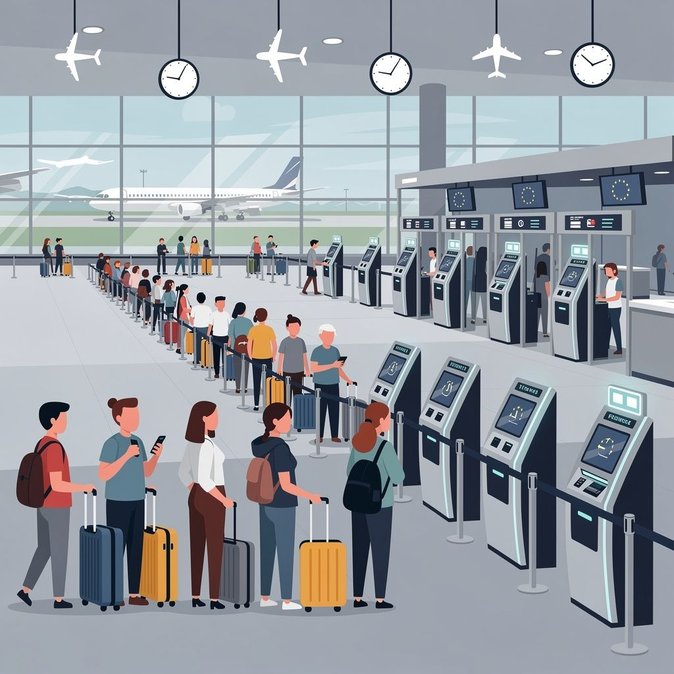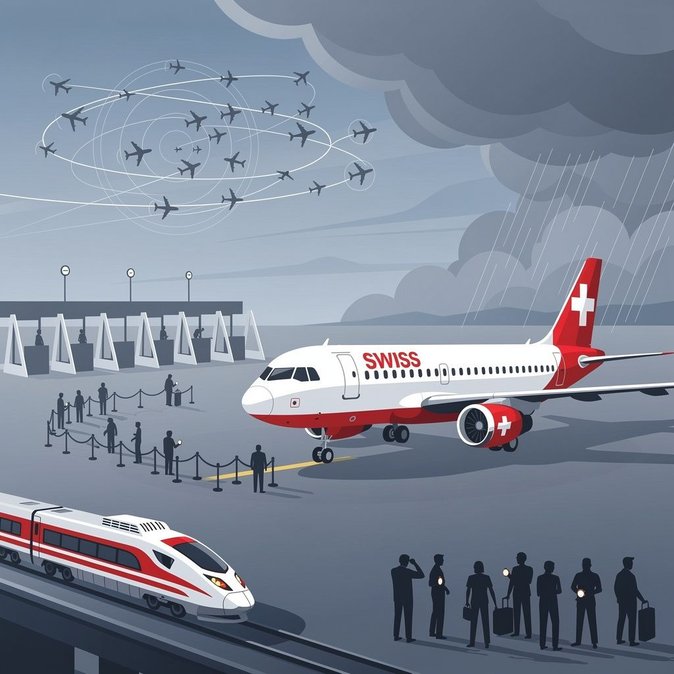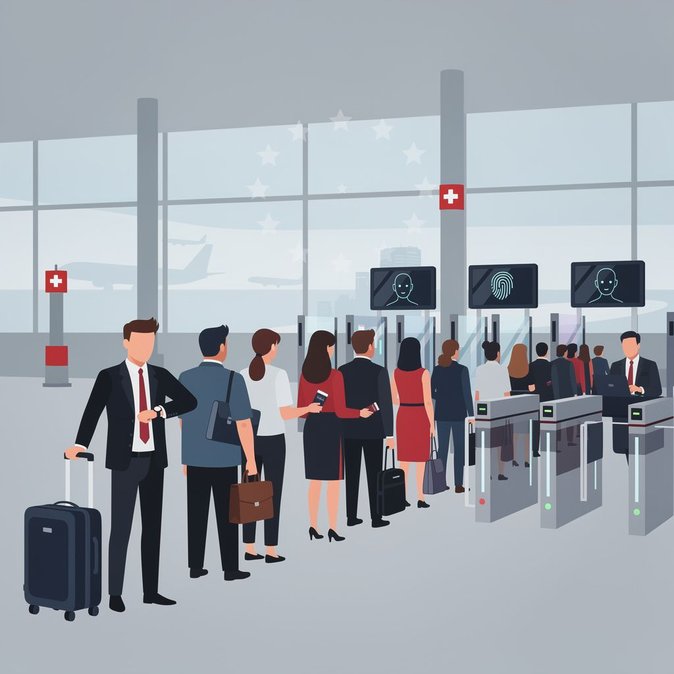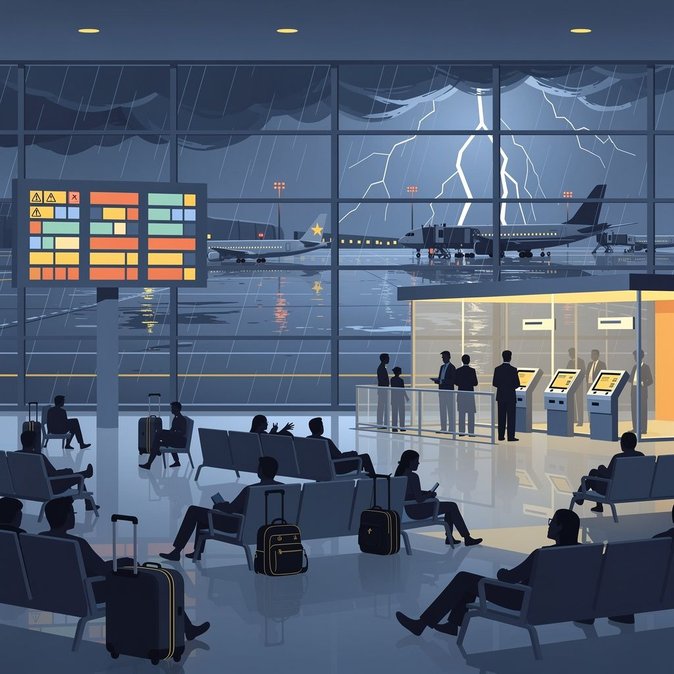
Unseasonably violent storms swept across the Zurich region on the evening of 30 June, triggering a chain of disruptions that spilled well into 1 July. According to SWI Swissinfo, 70 flights were cancelled outright and more than 30 were diverted to Stuttgart, Geneva and Basel as lightning and wind shear made approaches unsafe. With crews and aircraft out of position, Wednesday’s morning wave at Zurich-Kloten launched with empty stands and missing cabin staff, forcing further delays. Airport authorities kept security and border-control lanes open past the usual 23:30 curfew and issued sleeping kits to hundreds of stranded passengers. Some arrivals were permitted to land after the noise curfew to reduce knock-on cancellations, but Swiss and foreign airlines still face a backlog of crew-duty infringements that could echo for days. For globally mobile businesses this serves as a reminder that weather disruptions can quickly cascade in a tightly banked hub like Zurich. Travel managers should verify re-booking options rather than assume interline agreements will hold during extreme events; many passengers reported that partner carriers refused hotel vouchers because flights diverted outside Switzerland. The incident also tested new EES procedures: diverted flights landing in Basel and Geneva still had to process non-EU passengers biometrically, creating midnight queues that exhausted local staffing reserves. Authorities say lessons learned will feed into emergency playbooks before the next summer storm cycle. With climate models predicting more frequent convective storms in Central Europe, Swiss airports may need to revisit curfew flexibility and remote‐stand accommodation plans to maintain Switzerland’s reputation for reliability.
Source: SWI Swissinfo