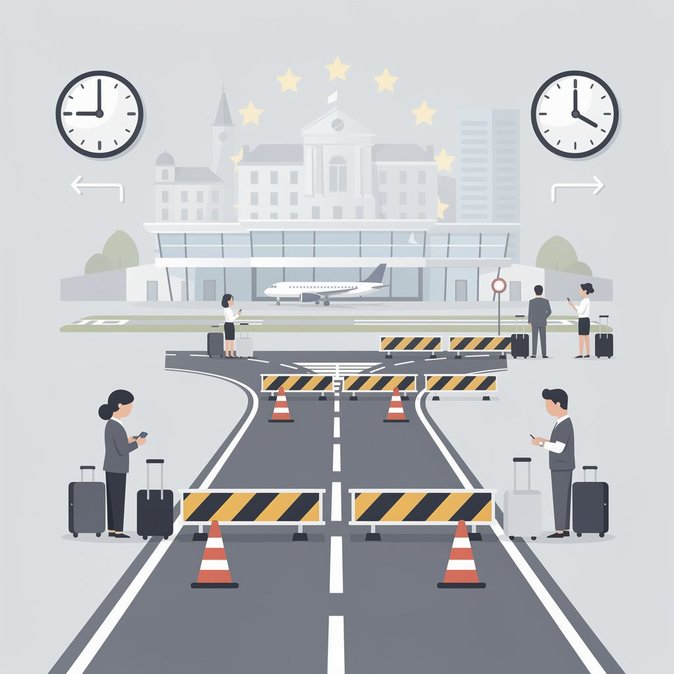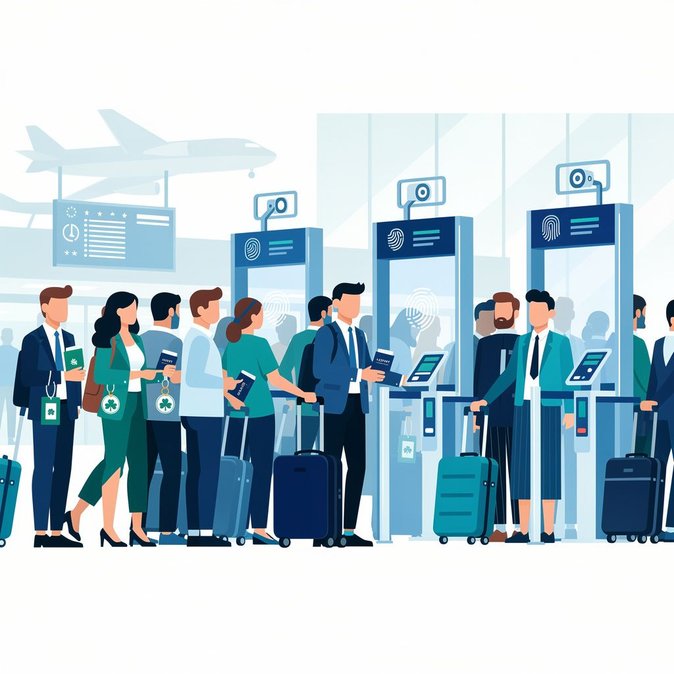
Europe’s new Entry/Exit System (EES) has been live for only three months, but airlines are already in crisis-management mode. Ryanair issued a blunt warning yesterday that passengers face "passport-queue chaos" at several Mediterranean hubs because non-EU travellers—including millions from Ireland and the UK—must register fingerprints and a facial image the first time they cross into Schengen. The airline listed Tenerife South, Palma de Mallorca, Alicante, Málaga, Milan Bergamo, Kraków and Paris Beauvais as airports where delays are already severe.
For Irish travellers who want to get ahead of the curve, VisaHQ can simplify the paperwork long before you reach those bottlenecked kiosks. Through its dedicated Ireland portal (https://www.visahq.com/ireland/), the service offers real-time Schengen updates, digital passport-scanning tools and on-call experts who can flag documentation gaps—helping you breeze through EES registration instead of queuing twice.
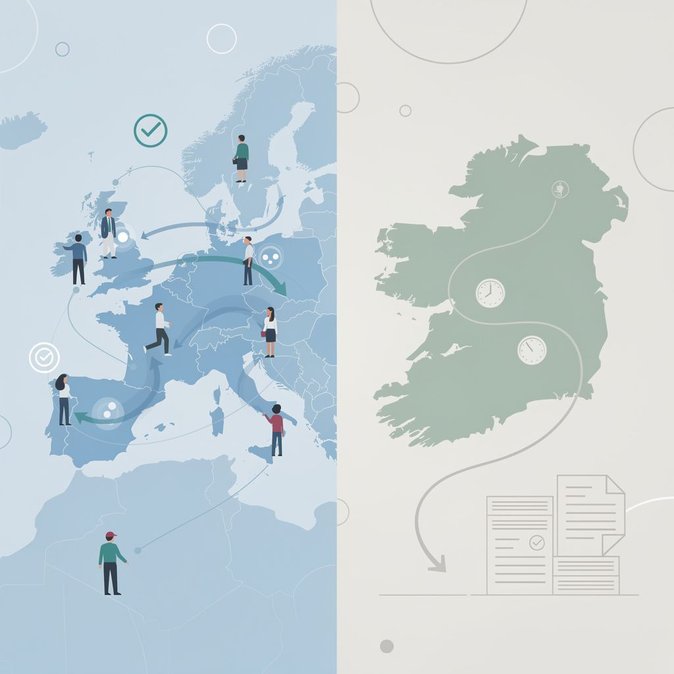
The Guardian reports that Airlines for Europe and Airports Council International have demanded an emergency meeting with the European Commission next week, urging that EES be suspended for the peak July–August season or even deferred until summer 2027. Under current rules, member states may temporarily pause the system if queues become unmanageable, but full compliance is mandatory from September. Ireland and Cyprus remain the only EU countries not participating because both lie outside Schengen, yet Irish holidaymakers bear the brunt when they land on the Continent. At the practical level, Ryanair is telling customers travelling between Schengen and non-Schengen destinations to arrive earlier than usual and to expect that fingerprints may be taken more than once if kiosks fail to read prints accurately. Travel site Extra.ie notes that strikes in Italy (5 and 21 July) and the lingering French air-traffic-control dispute could compound disruption just as schools break. Business-travel managers are already re-routing staff via less congested airports or adding overnight buffers before client meetings. Companies relying on just-in-time delivery warn that missed connections could cascade through supply chains. Insurance brokers, meanwhile, report a surge in requests for policies covering missed onward flights and accommodation costs. Until Brussels offers clarity, the safest strategy for Irish travellers is to treat any Schengen entry point as a potential bottleneck: pre-register where optional, keep boarding passes handy, and build generous lay-over times into itineraries. For corporates, revisiting duty-of-care protocols—especially for inexperienced travellers—is now a July priority.
For Irish travellers who want to get ahead of the curve, VisaHQ can simplify the paperwork long before you reach those bottlenecked kiosks. Through its dedicated Ireland portal (https://www.visahq.com/ireland/), the service offers real-time Schengen updates, digital passport-scanning tools and on-call experts who can flag documentation gaps—helping you breeze through EES registration instead of queuing twice.
The Guardian reports that Airlines for Europe and Airports Council International have demanded an emergency meeting with the European Commission next week, urging that EES be suspended for the peak July–August season or even deferred until summer 2027. Under current rules, member states may temporarily pause the system if queues become unmanageable, but full compliance is mandatory from September. Ireland and Cyprus remain the only EU countries not participating because both lie outside Schengen, yet Irish holidaymakers bear the brunt when they land on the Continent. At the practical level, Ryanair is telling customers travelling between Schengen and non-Schengen destinations to arrive earlier than usual and to expect that fingerprints may be taken more than once if kiosks fail to read prints accurately. Travel site Extra.ie notes that strikes in Italy (5 and 21 July) and the lingering French air-traffic-control dispute could compound disruption just as schools break. Business-travel managers are already re-routing staff via less congested airports or adding overnight buffers before client meetings. Companies relying on just-in-time delivery warn that missed connections could cascade through supply chains. Insurance brokers, meanwhile, report a surge in requests for policies covering missed onward flights and accommodation costs. Until Brussels offers clarity, the safest strategy for Irish travellers is to treat any Schengen entry point as a potential bottleneck: pre-register where optional, keep boarding passes handy, and build generous lay-over times into itineraries. For corporates, revisiting duty-of-care protocols—especially for inexperienced travellers—is now a July priority.