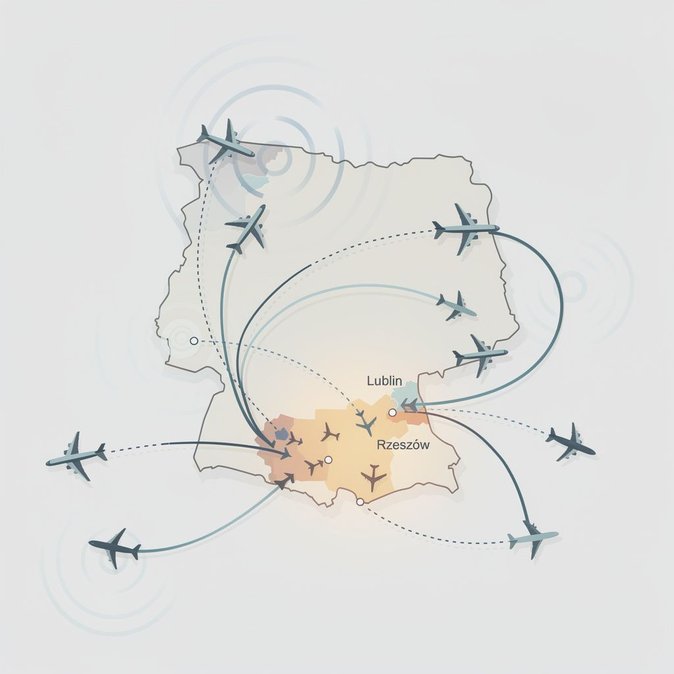
Polish news portal naTemat.pl reports that Ryanair has written to Interior Minister Marcin Kierwiński asking him to invoke the safeguard clause in the Schengen Borders Code and suspend EES checks at Polish airports for the remainder of the summer. The message, published on 2 July, follows growing social-media footage of passengers queueing outside terminal doors at Kraków-Balice and Warsaw-Chopin. The airline argues that Poland, as one of the Schengen countries with the highest share of low-cost leisure traffic, is disproportionately affected by first-time biometric enrolments. According to Ryanair’s data, over 40 % of the carrier’s passengers using Kraków during the first week of July required full ten-finger capture, stretching the airport’s eight manned border booths to breaking point. Ministry officials told naTemat that they are “reviewing operational data” but stressed that any derogation must be coordinated with neighbouring Member States to avoid diverting bottlenecks. The Border Guard confirmed it is testing mobile enrolment kits that could be wheeled into the arrivals hall at peak times. For employers flying project teams into southern Poland, the episode highlights the importance of up-to-date on-the-ground intelligence. Travel managers should liaise with relocation providers to establish whether ‘fast-track’ business lanes remain operational and whether permanent residents with Polish residence cards can still use automated e-gates, which are not yet EES-enabled.
Source: naTemat