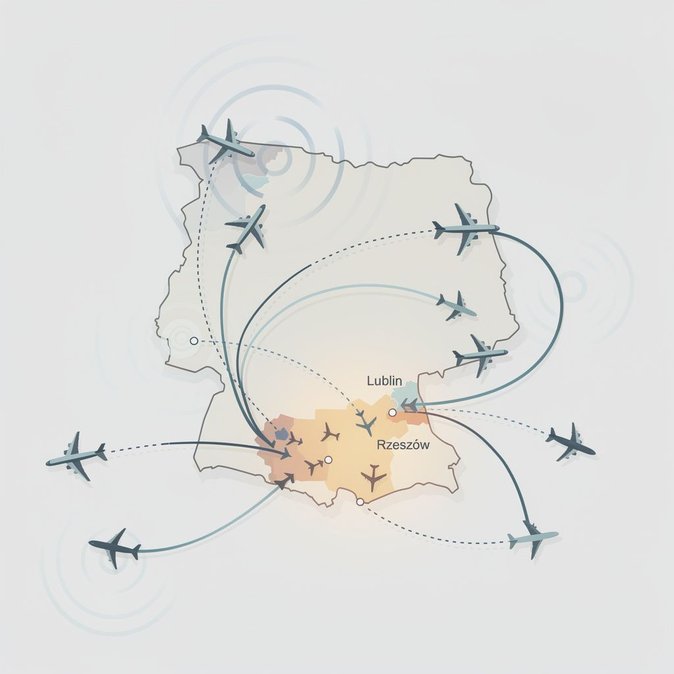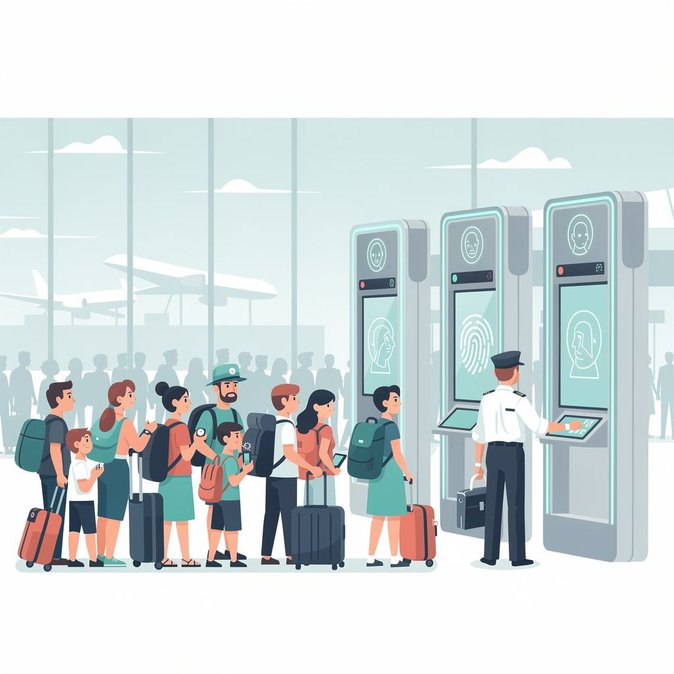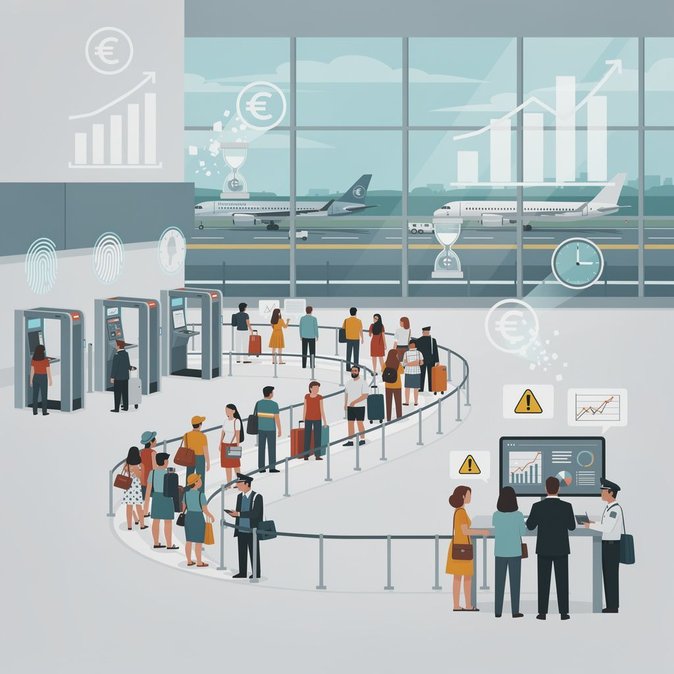
Industry analytics firm CAPA – Centre for Aviation published a bulletin on 2 July detailing the open letter sent by ACI Europe, A4E and IATA calling for “immediate intervention” on the Entry/Exit System (EES). The note singles out Kraków-Balice and Warsaw-Chopin as illustrative cases where peak-hour throughput already exceeds desk capacity by 30 %, even with all lanes staffed. CAPA’s modelling shows that, without a temporary suspension, Kraków will need an additional 18 manual border desks or 26 self-service biometric kiosks to handle August volumes – infrastructure that cannot be installed in time. Warsaw fares slightly better thanks to existing automated e-gates, but the study warns that non-EU passengers transferring from long-haul to Schengen flights could face “missed minimum connections of up to 40 %.” The report also quantifies the economic impact for Poland: potential lost tourism revenue of €37 million if 5 % of high-spending long-haul visitors re-route via non-Schengen hubs. CAPA urges Polish authorities to co-ordinate with neighbouring states to stagger derogations so that passenger flows are redistributed rather than merely displaced. Global mobility teams should keep an eye on whether Poland’s airports adopt CAPA’s recommendation to deploy ‘mobile enrolment squads’ capable of processing fingerprints in the baggage-reclaim hall, which could shave 20 seconds off each transaction and meaningfully reduce queue length.
Source: CAPA – Centre for Aviation