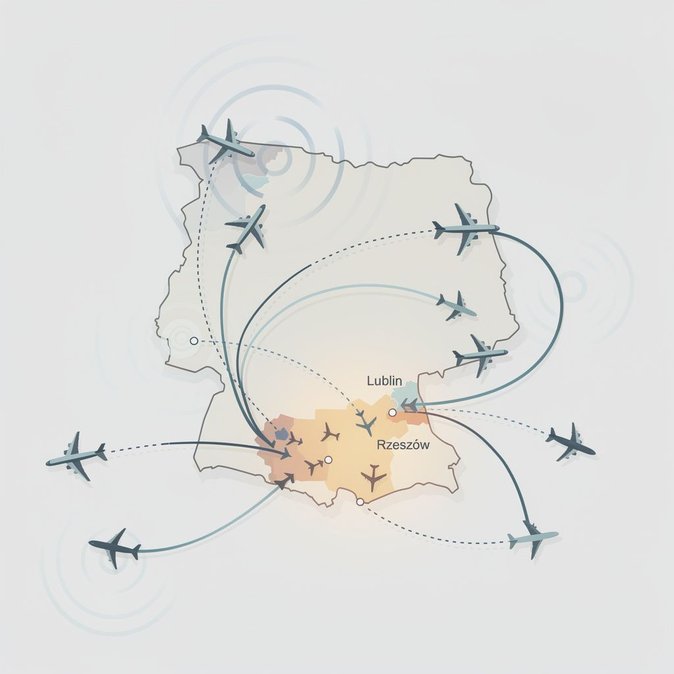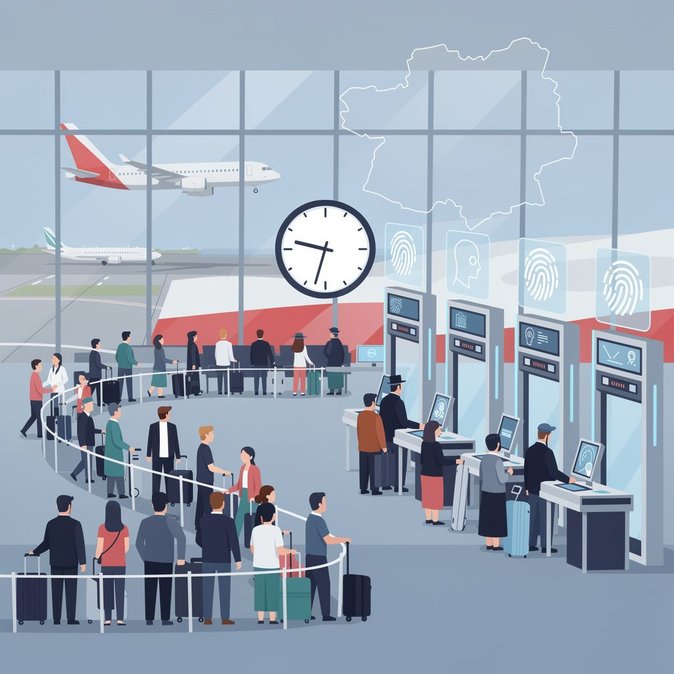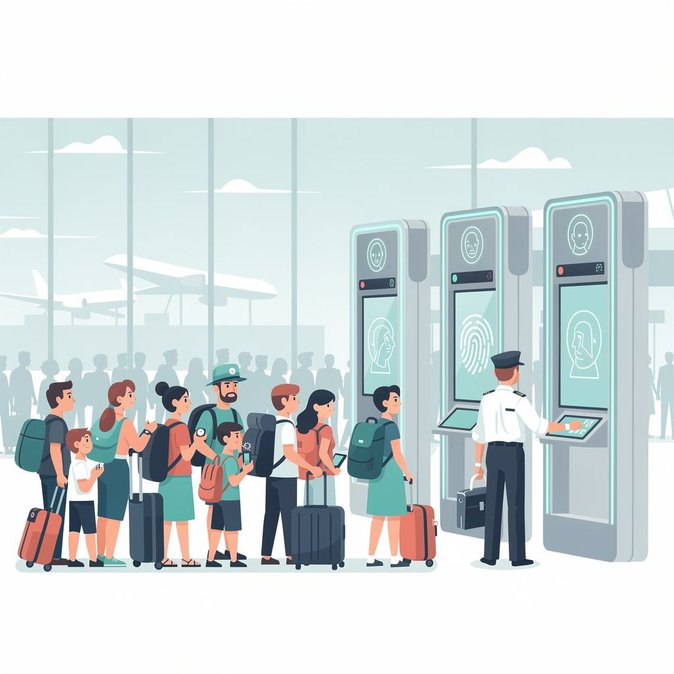
Airlines and airports are warning travellers that the EU’s long-delayed Entry/Exit System (EES)—which captures fingerprints and facial images of non-EU passengers—could trigger “queue chaos” at several regional gateways this summer, including Kraków’s John Paul II International Airport. In an open letter released on 2 July 2026, industry groups Airlines for Europe and ACI Europe asked the European Commission to suspend EES at least through August, citing simulations that show processing times quadrupling during peak hours. Under EES, every third-country traveller must enrol biometrics the first time they enter Schengen, and thereafter verify those biometrics on both entry and exit. EU officials insist the new system will strengthen security and automatically calculate permissible stay, but carriers point out that airports such as Kraków have limited space to add extra kiosks and border booths. According to Ryanair, which controls more than 40 % of Kraków’s traffic, a full-flight of holidaymakers from the UK could now take over 90 minutes to clear outbound checks. Polish Border Guard authorities say they are training an additional 150 officers for Kraków and rolling out mobile registration carts, yet acknowledge that staffing cannot match August’s forecast 1.2 million passengers. Travel-management companies are therefore advising business travellers to build in at least a two-hour buffer and to pre-register via the EU’s optional mobile app once it launches later this month. Kraków’s bottlenecks also matter to multinationals that rely on the city’s booming IT-services sector: companies such as HSBC, Cisco and UBS routinely fly in engineers from India and the US for short-term assignments. Any prolonged delays could affect project timelines and increase hotel costs. Some firms are already diverting arrivals to Katowice or Warsaw and using domestic rail links to reach Kraków. The Commission is expected to review the industry request next week. If a blanket suspension is rejected, Member States may individually authorise “local derogations” when queue times exceed 45 minutes—an option Poland’s Interior Ministry says it is “actively studying”. Travellers should therefore monitor airline alerts and keep boarding passes or digital work-permit copies handy, as officers may prioritise those with tight connections or time-sensitive business meetings.
Source: The Guardian