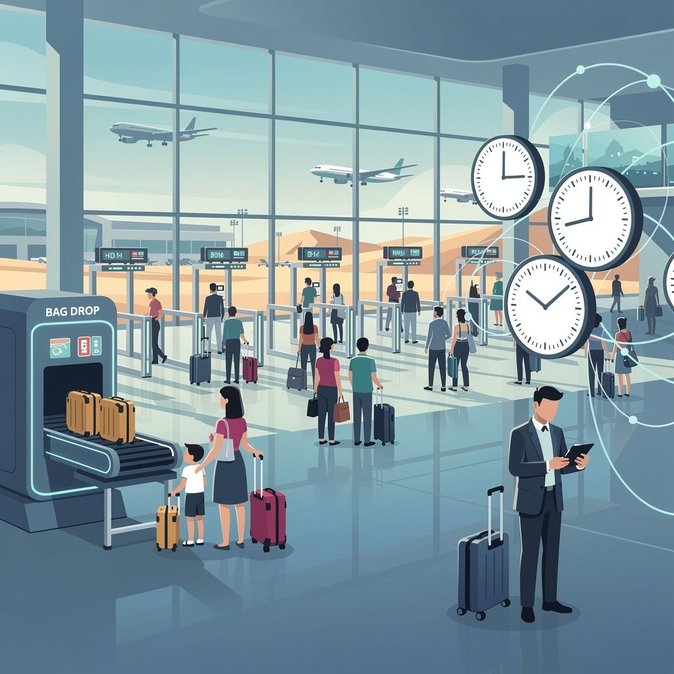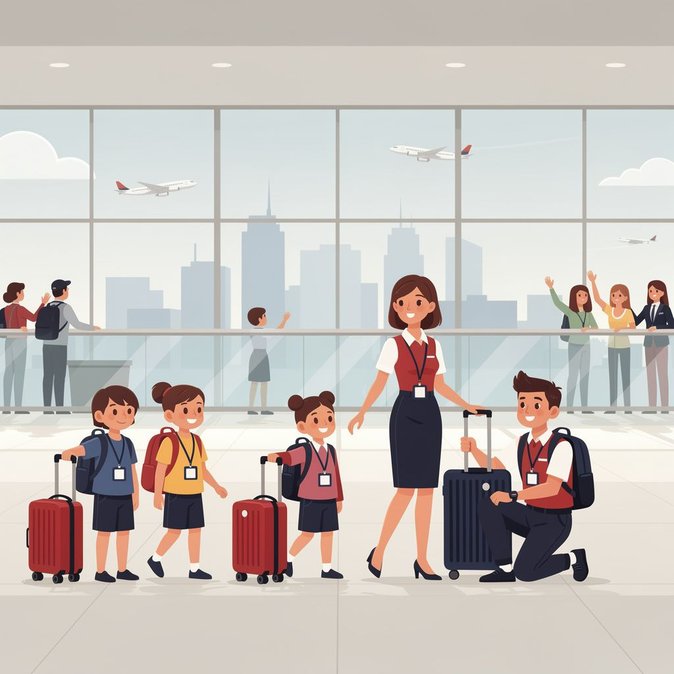
With Dubai schools breaking up for summer, Emirates Airline says it expects more than 3,500 children to travel alone on its network in the first two weeks of July – the highest number since the carrier launched its Unaccompanied Minors (UM) service in 2017. In a 3 July statement, the airline highlighted expanded lounge space, PlayStation 5 consoles and dedicated staff escorts from check-in through immigration at Dubai International Airport Terminal 3. The surge matters to mobility planners because DXB is a key transit hub: almost half of the airline’s UM bookings this season involve connections between long-haul sectors, notably on the Dubai–London, Dubai–Moscow and Dubai–Nairobi routes.
Ahead of those journeys, families still need to navigate the paperwork of destination and transit visas—especially for children carrying separate passports or travelling onward to summer camps. VisaHQ’s UAE portal streamlines those filings by walking guardians through entry-visa options, passport-validity rules and the notarised consent letters airlines require for unaccompanied minors, taking one more logistical headache off the pre-flight checklist.
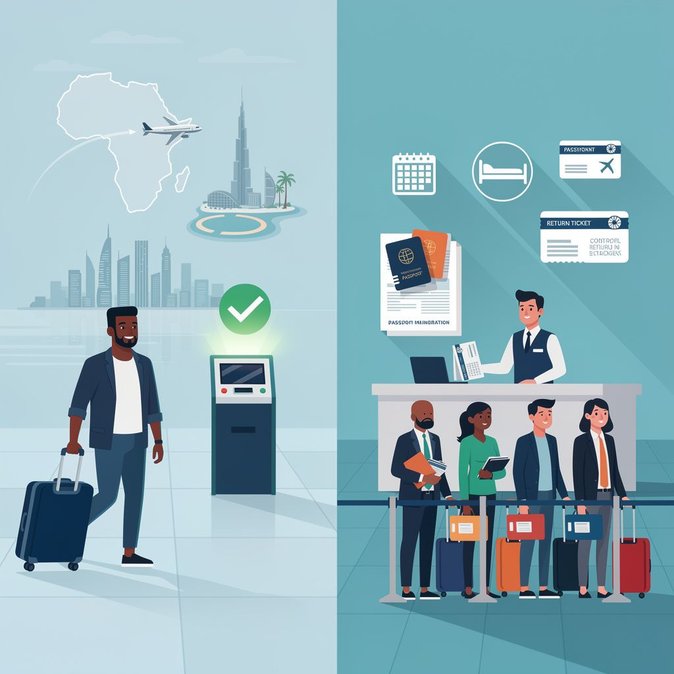
Emirates limits connections to eight hours and deploys trained chaperones inside its air-side minors-only lounge to manage paperwork, immigration and boarding. Corporates using Dubai as a family relocation staging point – for example, employees sending children ahead to summer programmes – gain a supervised pathway that reduces duty-of-care exposure. Operationally, Emirates has doubled check-in counters for UMs and warns guardians to arrive at least three hours before departure. Children aged 5-12 must pay an adult fare but the airline waives additional service fees; those aged 12-15 can opt-in for USD 50 per flight. Parents can pre-order meals, birthday cakes and seat preferences online, and receive real-time status updates via the airline’s app. For immigration authorities the volume spike is a live stress-test of Dubai’s Smart Gate biometrics, now enabled for minors from age 12 when accompanied by an Emirates escort. The General Directorate of Residency & Foreigners Affairs (GDRFA) says extra officers will staff the UM channel during peak departure hours on 4–7 July and 11–14 July. While the UM programme is passenger-service rather than visa reform, mobility managers should note the soft-infrastructure improvements – digital consent forms, lounge refurbishment and API integration with partner airlines – that smooth family travel logistics through the Gulf’s busiest airport.
Ahead of those journeys, families still need to navigate the paperwork of destination and transit visas—especially for children carrying separate passports or travelling onward to summer camps. VisaHQ’s UAE portal streamlines those filings by walking guardians through entry-visa options, passport-validity rules and the notarised consent letters airlines require for unaccompanied minors, taking one more logistical headache off the pre-flight checklist.
Emirates limits connections to eight hours and deploys trained chaperones inside its air-side minors-only lounge to manage paperwork, immigration and boarding. Corporates using Dubai as a family relocation staging point – for example, employees sending children ahead to summer programmes – gain a supervised pathway that reduces duty-of-care exposure. Operationally, Emirates has doubled check-in counters for UMs and warns guardians to arrive at least three hours before departure. Children aged 5-12 must pay an adult fare but the airline waives additional service fees; those aged 12-15 can opt-in for USD 50 per flight. Parents can pre-order meals, birthday cakes and seat preferences online, and receive real-time status updates via the airline’s app. For immigration authorities the volume spike is a live stress-test of Dubai’s Smart Gate biometrics, now enabled for minors from age 12 when accompanied by an Emirates escort. The General Directorate of Residency & Foreigners Affairs (GDRFA) says extra officers will staff the UM channel during peak departure hours on 4–7 July and 11–14 July. While the UM programme is passenger-service rather than visa reform, mobility managers should note the soft-infrastructure improvements – digital consent forms, lounge refurbishment and API integration with partner airlines – that smooth family travel logistics through the Gulf’s busiest airport.