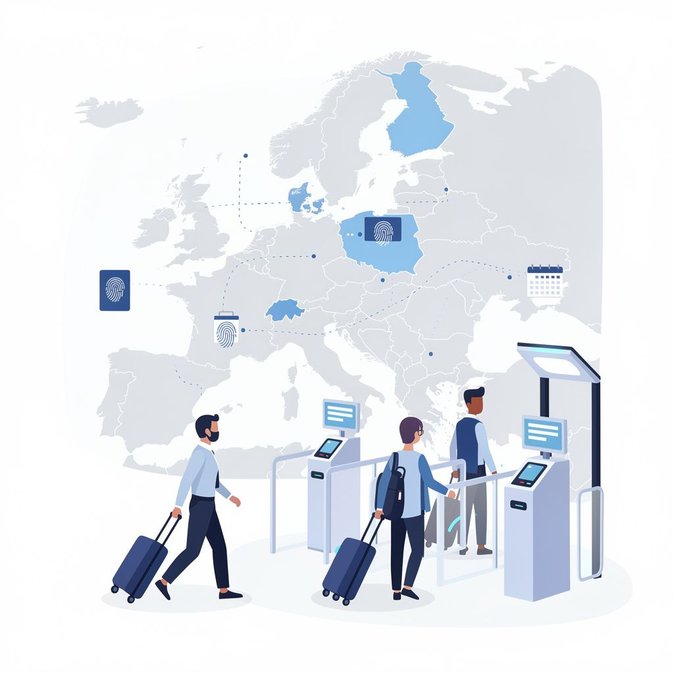
Representatives of EU and Schengen-associated states met in Brussels on Friday, 3 July 2026, for the latest session of the Council of the European Union’s Working Party for Schengen Matters. Finland’s delegation—comprising officials from the Ministry of the Interior, the Border Guard and the Permanent Representation—used the forum to press for accelerated funding of smart-border projects on the bloc’s northern flank. The provisional agenda, circulated as document CM 3361/3/26 REV 3, focused on follow-up to June’s Schengen Council and on rolling out ‘Priority Actions’ aimed at preserving free movement while tightening external-border security. Key items included the Schengen Barometer+ performance review, updates on evaluation cycles, and best-practice presentations from Switzerland and Croatia. Finland argued that lessons from its rapid closure of crossing points with Russia—combined with pilot deployments of biometric kiosks at Helsinki Airport—should inform wider EU implementation of the Entry/Exit System (EES) ahead of next year’s mandatory use. For global-mobility teams the meeting matters because it shapes how consistently (or not) Schengen rules will be enforced across the zone. Divergent application of EES or ad-hoc re-introductions of internal border checks can up-end travel itineraries and complicate the 90/180-day stay calculation critical for short-term assignees. Finland’s call for harmonised traveller-information APIs and for an EU-funded buffer budget to cope with sudden eastern-border disruptions gained support from the Baltic states and Germany, signalling possible budget reallocations in the 2027-2030 Multiannual Financial Framework. The Working Party will now draft recommendations for the next Justice and Home Affairs Council in October. Stakeholders should monitor the forthcoming ‘Schengen Governance Work Plan – Second Semester 2026’ for concrete timelines on EES go-live tests, airport-staffing subsidies and contingency protocols for border closures. Mobility managers may wish to engage early with EU-LISA (the agency running EES) and with national border authorities—Finland’s Border Guard among them—to secure advance onboarding slots for corporate biometric-data capture pilots.
How VisaHQ can help
VisaHQ simplifies the visa application process for individuals and businesses. Check current travel requirements, prepare the required documents and manage your application online through the VisaHQ Finland portal.More From Finland
View all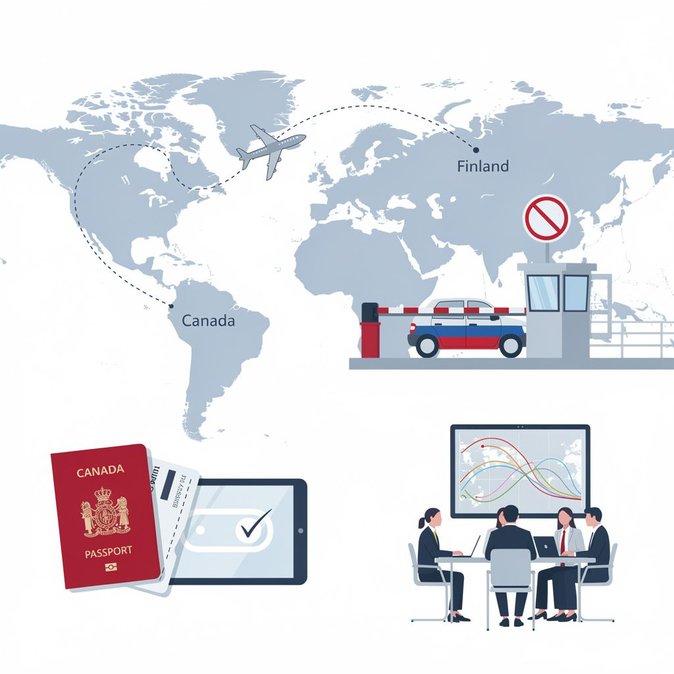
Canada updates Finland travel advisory, flags upcoming ETIAS requirement and Russian border closure
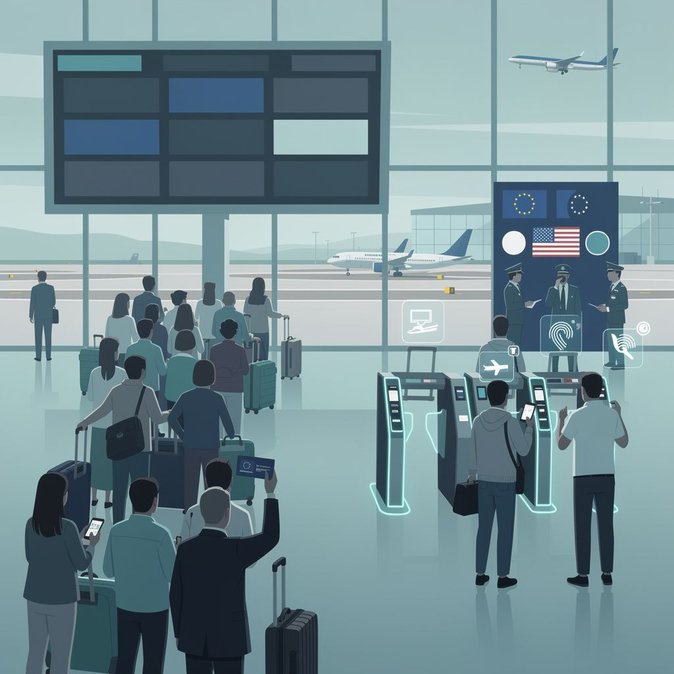
Airlines ask Brussels to let airports suspend new EES biometric checks; Helsinki travellers warned of five-hour queues