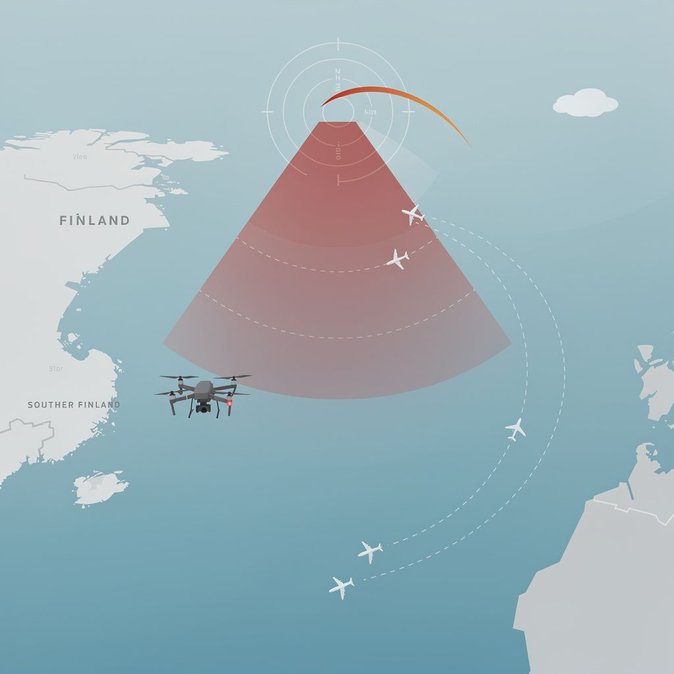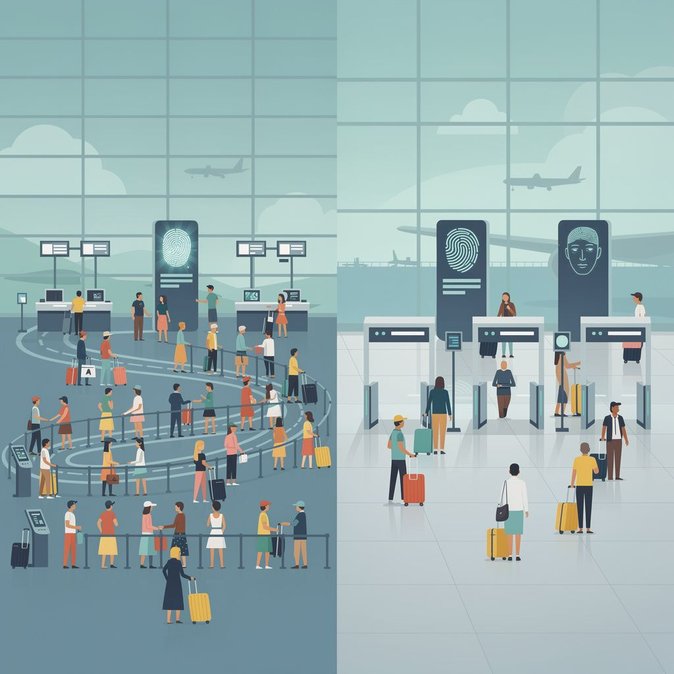
Ryanair on 2 July warned that EU airports face “summer meltdown” unless the bloc pauses full rollout of the Entry/Exit System (EES), the biometric database that captures fingerprints and facial images of non-EU travellers. The low-cost carrier listed seven hub airports already experiencing delays and joined Airlines for Europe (A4E) and Airports Council International (ACI) in demanding a moratorium for July-August. While Finland has so far implemented EES smoothly at Helsinki, Finavia confirms that first-time third-country visitors are taking an average of 90 seconds to process—triple the legacy passport-stamp time. If neighbouring hubs such as Berlin, Milan and Paris suspend EES, Helsinki could see an inbound surge as carriers re-route Schengen-bound traffic through the Finnish capital. The European Commission has convened an emergency meeting next week with border-police chiefs and airport CEOs. Under current rules, member states may waive EES checks temporarily but must re-activate them by September. Carriers argue the technology is still “half-baked” and that equipment shortages and staff abuse are already evident. Corporate mobility managers should monitor connection times on itineraries involving non-EU employees transiting Helsinki. Finavia says it will add mobile kiosks if queues exceed 30 minutes, but recommends travellers enrol in the system on off-peak flights where possible. A delayed rollout to 2027, now floated by industry groups, would give airports time to build dedicated biometric halls and integrate data feeds with airline DCS systems.
Source: The Guardian
How VisaHQ can help
VisaHQ simplifies the visa application process for individuals and businesses. Check current travel requirements, prepare the required documents and manage your application online through the VisaHQ Finland portal.More From Finland
View all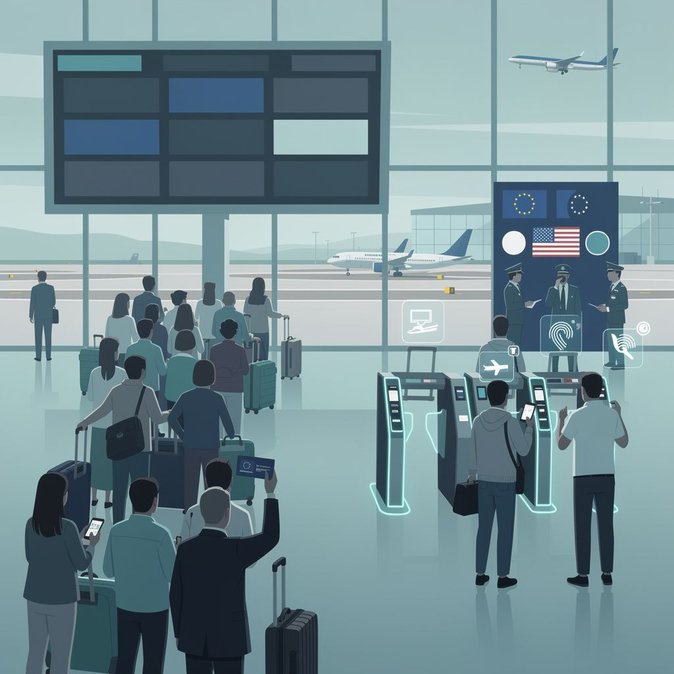
Airlines ask Brussels to let airports suspend new EES biometric checks; Helsinki travellers warned of five-hour queues
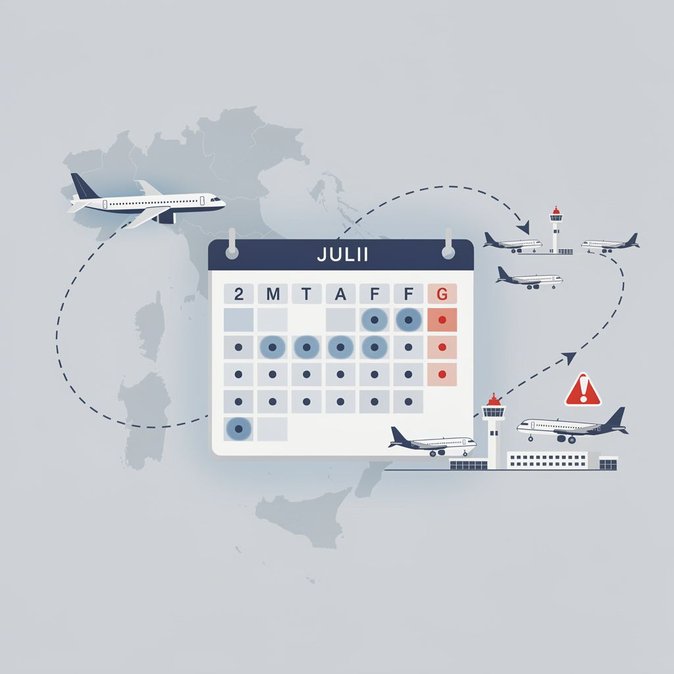
Finnair issues free rebooking for Italy strike as of 2 July—flex options for travellers via Helsinki