German airports warn of two-hour queues as new EU Entry/Exit System goes live
Berlin steps up global talent drive as labour shortages bite
Cabin-crew union schedules fresh 48-hour Lufthansa strike for mid-April, threatening nationwide flight shutdown
Latest News
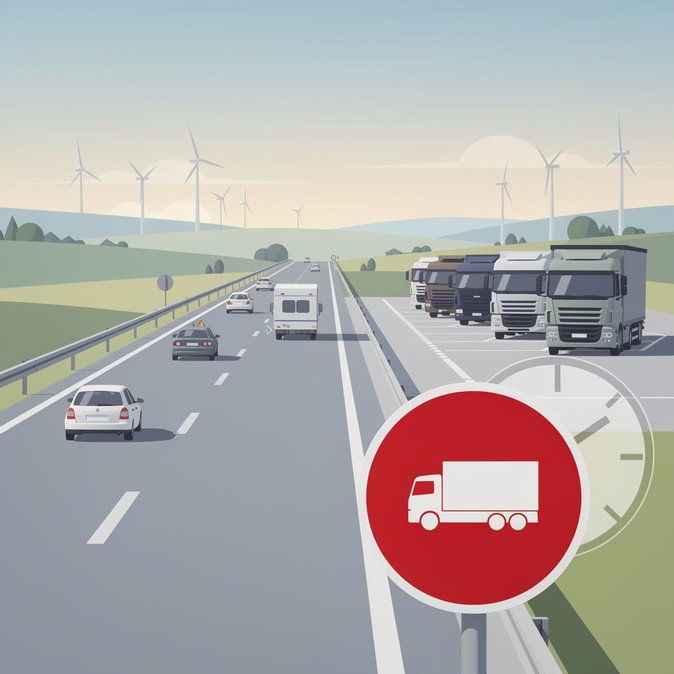
Summer LKW ban kicks in on 22 German autobahns to ease holiday traffic
Germany’s summer truck ban entered into effect on 4 July, barring most vehicles over 7.5 t from 07:00-20:00 every Saturday on 22 motorway sections. The measure is designed to unclog holiday traffic but forces logistics firms to reschedule deliveries or seek exemptions, with possible cost and timing implications for corporate supply chains.
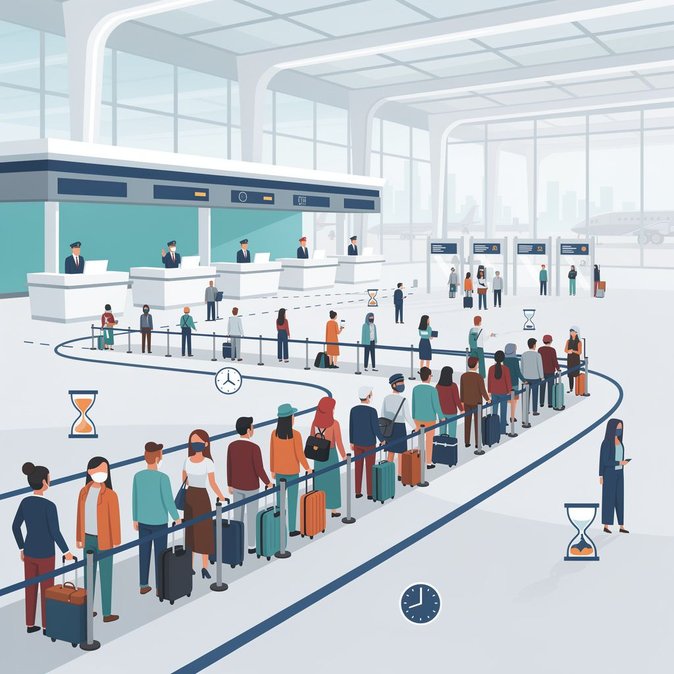
Live data show average passport-control waits for third-country nationals double at Frankfurt’s new Terminal 3
Fresh Qsensor data confirm that passport-control waits for non-EU passengers at Frankfurt’s new Terminal 3 have doubled in a month, hitting two-hour peaks. The figures will help travel and relocation managers quantify buffer times and assess whether paid meet-and-assist services are worth the cost.

Section 19c “no-degree” IT visa gains traction with new guidance
An expert guide published on 4 July clarifies Germany’s revamped Section 19c IT visa: no degree, no pre-arrival German and a €45.6k salary are now sufficient. Tech firms welcome the streamlined route as a complement to the Blue Card, but must ensure compliant job offers and fast-track labour-agency approvals.

Germany unveils ‘flexicurity’ labour-law package to attract and retain mobile talent
Germany’s coalition has agreed a Nordic-style “flexicurity” reform that will let firms dismiss very high-earners more easily, extend the maximum length of fixed-term contracts and grant tax breaks for rapid re-employment. The package, published on 3 July 2026, is designed to make Germany more attractive to foreign talent and agile start-ups but will force global-mobility teams to revisit assignment contracts and severance clauses.
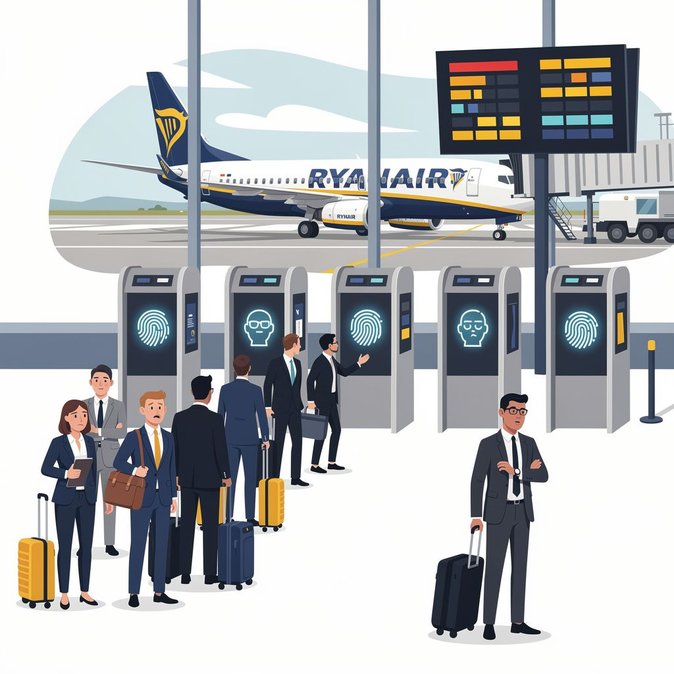
Ryanair presses EU to defer Entry/Exit System after reports of long queues
On 3 July Ryanair publicly asked the European Commission to delay compulsory use of the new biometric border-control system, warning of ‘queue chaos’. German airports are vulnerable to the same EES bottlenecks, so corporate travellers may need longer connection times unless a grace period is approved.

Lufthansa introduces dynamic seat-change fee during online check-in
Effective this month, Lufthansa now charges a dynamic fee – starting around €25 – when passengers change their auto-assigned seat during online check-in. The 3 July announcement means corporates must budget for a new ancillary cost and possibly adjust seating guidelines for travelling staff.
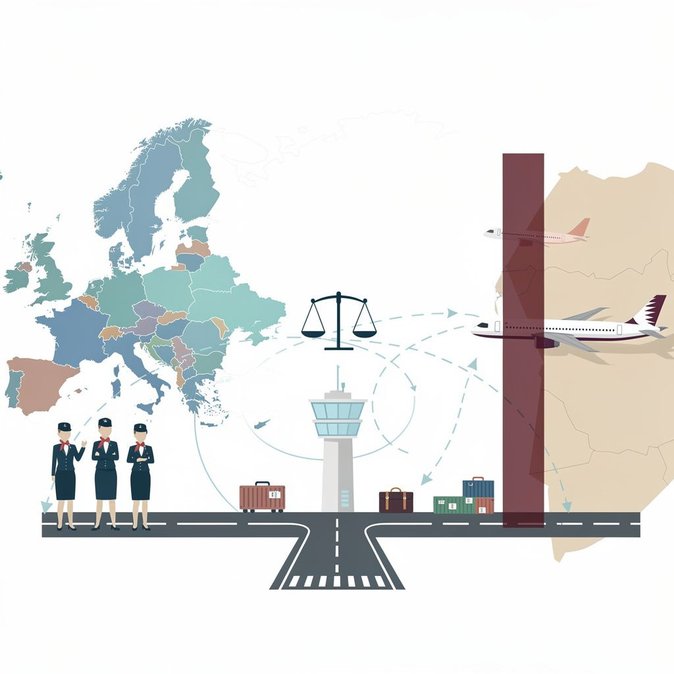
German cabin-crew union joins call to freeze EU–Qatar open-skies accord
Germany’s UFO cabin-crew union joined wider European labour groups on 3 July in calling for the EU–Qatar aviation accord to be suspended over corruption and social-dumping concerns. Any freeze could limit Gulf carrier capacity at German hubs, with knock-on effects for corporate itineraries and air-cargo agreements.
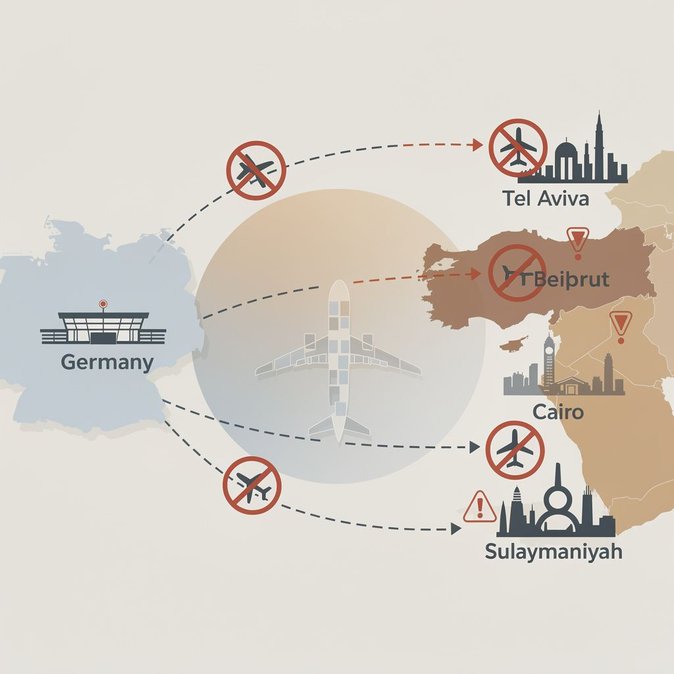
Condor suspends Middle-East flights amid regional security alerts
Condor confirmed on 3 July that flights from Germany to Beirut, Sulaymaniyah, Tel Aviv and Cairo are suspended indefinitely because of regional tensions, with Dubai services also cut short. Companies must rebook affected travellers and reassess routing options for Middle-East assignments.
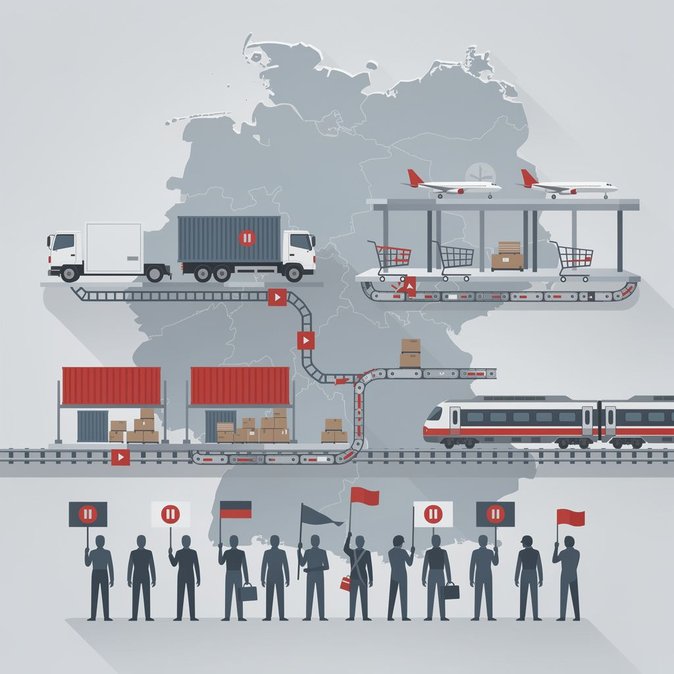
Nation-wide retail & wholesale strike hits German supply chains on 3 July
A 24-hour ver.di strike on 3 July disrupted retail and wholesale supply chains across Germany, delaying relocation shipments and reducing services at airports and stations. Employers should expect possible repeat actions later in the summer unless wage talks progress.
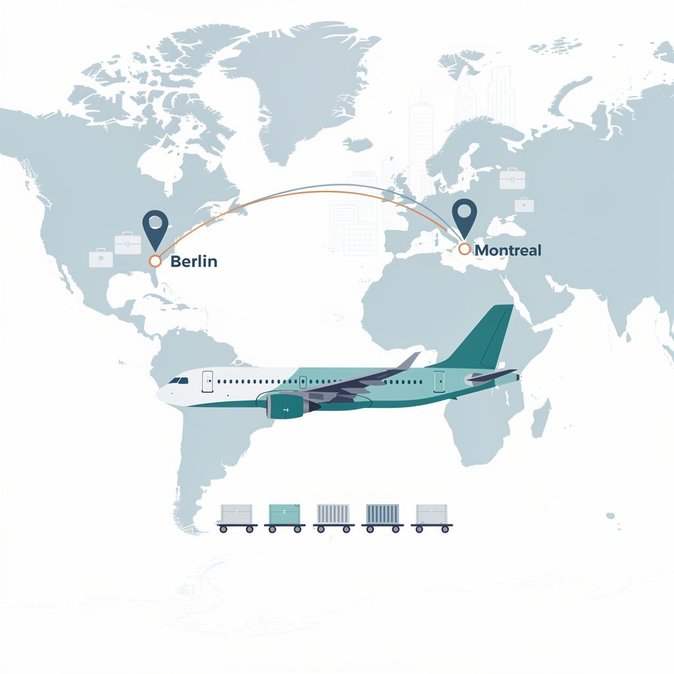
Air Canada inaugurates Berlin–Montreal route, boosting transatlantic options for German firms
Air Canada launched nonstop Berlin–Montreal flights on 3 July, giving German companies a direct link to Canada’s business hubs for the first time since the pandemic. The route improves passenger convenience but offers only modest belly-hold capacity once the single-aisle A321XLR replaces the 787.