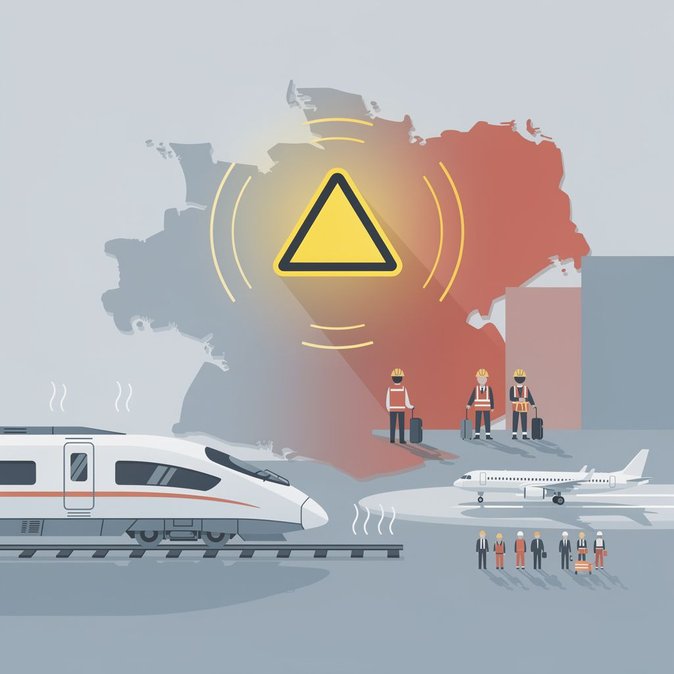
Belgium’s Royal Meteorological Institute (IRM) triggered a nationwide yellow heat alert on Sunday, 5 July 2026 after forecasting daytime highs of 27 °C in the south-west and tropical nights above 20 °C in many cities. The alert runs at least until Thursday and can be upgraded to orange if temperatures exceed 32 °C. For business and leisure travellers, extreme heat can translate quickly into mobility disruption. Belgian railway operator SNCB warns that rail tracks expand in sustained heat, forcing speed restrictions that can add 10–20 minutes to inter-city journeys. Brussels Airport has already scheduled extra ramp inspections because high runway surface temperatures can soften asphalt and require wider aircraft separations. Airlines operating afternoon bank flights—particularly to Mediterranean hubs such as Barcelona, Madrid and Athens—may face slot delays of up to 45 minutes, according to Eurocontrol’s Network Manager. Road users should also expect congestion: asphalt “bleeding” reduces tyre grip and the Flemish Traffic Centre has instructed road-side assistance crews to patrol the E40 and E411 motorways with water bowsers to cool critical joints. Logistics firms report that refrigerated trucks are advancing departure times by two hours to avoid peak roadway heat and protect perishable cargo. From an employment-law perspective, Belgium’s “code oranje” heat protocol obliges companies with outdoor workers to provide shaded rest areas, extra water breaks and, where wet-bulb temperatures exceed 29 °C, to halt work altogether. Global mobility managers relocating staff to Belgium this week should ensure that local onboarding includes heat-safety briefings and contingency remote-work arrangements. Expatriates arriving from milder climates should register with their commune’s heat-wave assistance list, which allows municipal social services to check on vulnerable residents during temperature spikes. Corporate travellers can mitigate exposure by shifting meetings to early morning slots, booking hotels with certified air-conditioning (many older Brussels townhouses still lack it) and carrying reusable bottles—Brussels-Capital Region has opened more than 400 public water fountains that are now operative around the clock. Eurostar and Thalys trains advise passengers to bring backup water; catering trolleys may run out on sold-out services. Although the current alert is only yellow, IRM climatologists point out that Belgium recorded its hottest day ever (41.8 °C) in July 2023. Climate-driven heatwaves are becoming longer and more intense, meaning that mobility stakeholders—from airlines and rail operators to relocation providers—must now incorporate heat stress into their summer operating playbooks.
Source: The Brussels Times