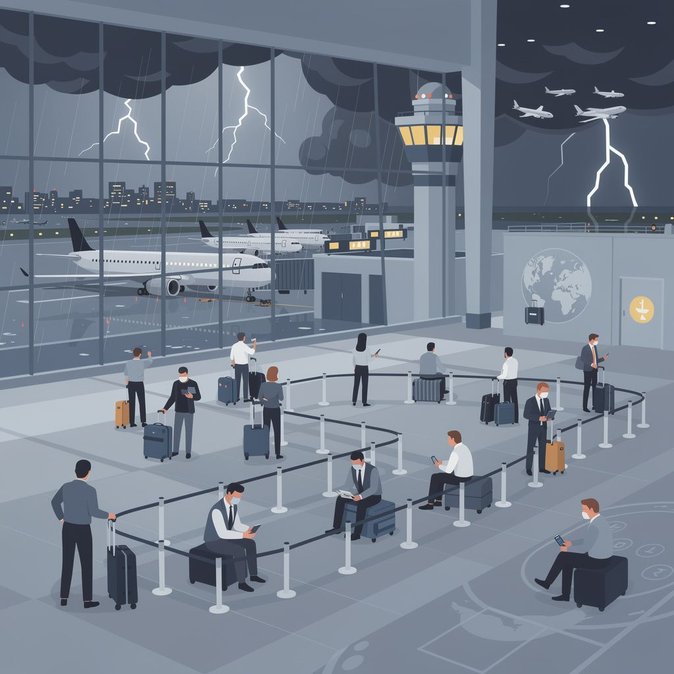
Independence Day storms hammered northern Illinois Saturday evening, forcing Chicago O’Hare International Airport—America’s busiest hub for connections—to enter an eight-hour ground-delay program that stretched into the early hours of July 5. According to the Chicago Department of Aviation, 359 flights were cancelled and the average arrival delay topped 90 minutes; the FAA put the average system-wide delay at 5 hours and 13 minutes. United, American and regional carriers rerouted crews overnight, creating a ripple effect that analysts say will take 24–36 hours to unwind. With O’Hare serving as a critical node for foreign nationals connecting to interior U.S. destinations for July project kick-offs, global mobility managers scrambled to secure hotel rooms and re-book onward segments before the thin Sunday schedule filled up. The disruption is a timely reminder that weather waivers do not protect visa holders from status lapses. Immigration advisers recommend that employees transiting through O’Hare over the next two days carry evidence of original travel dates and, where necessary, proof of USCIS or CBP communications acknowledging unavoidable delays. Airport authorities have meanwhile accelerated a pilot program that uses automated people-movers to ferry passengers between Terminals 1 and 5, reducing exposure to lightning-prone open tarmac areas. If successful, the system could become a model for other hub airports looking to combine passenger safety with congestion relief during climate-driven weather events.
Source: NBC Chicago
How VisaHQ can help
VisaHQ simplifies the visa application process for individuals and businesses. Check current travel requirements, prepare the required documents and manage your application online through the VisaHQ United States of America portal.More From United States of America
View all
New analysis explains how Supreme Court’s birthright-citizenship ruling stabilises immigration planning for employers
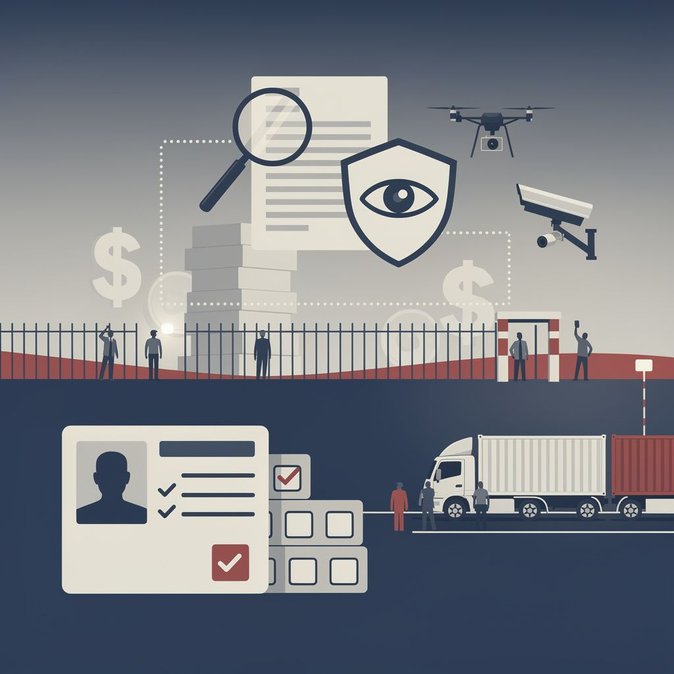
Congress Sends $70 Billion Secure America Act to President, Locking-In DHS Enforcement Funding Through 2029