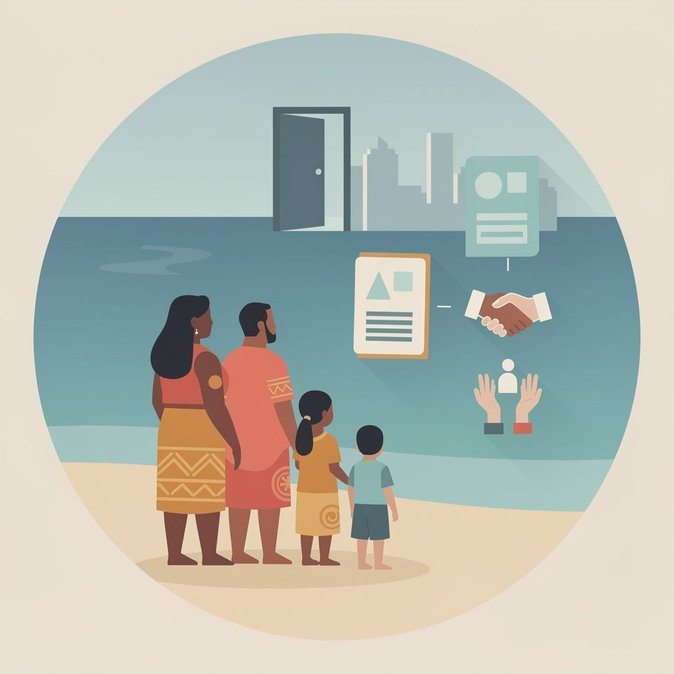
Prime Ministers Anthony Albanese and Sitiveni Rabuka signed two landmark treaties in Suva on 6 July—the Vuvale Union and the Ocean of Peace Alliance—marking the most comprehensive upgrade of Australia–Fiji ties in half a century. The media release from the Australian PM’s office frames the pacts as "family agreements" that will deepen security, economic and people-to-people links. For global mobility practitioners the headline is the Vuvale Skills Hub: a refurbished trades facility backed by Australia’s Pacific Australia Skills programme. The hub aims to pipeline Fijian carpenters, electricians and healthcare workers into accredited Australian training and potential migration pathways, expanding on the PALM scheme but at higher skill levels. Officials say the initiative responds to Fiji’s call for mutually beneficial mobility that does not hollow out its domestic workforce. Trainees will rotate through short stints in Australia under bespoke visa arrangements still being drafted, returning home with recognised qualifications before considering longer assignments. The treaties also commit Canberra and Suva to explore mutual recognition of professional licences and to pilot express border lanes for accredited workers. Defence and climate provisions grabbed headlines, but corporate HR teams in construction, aged-care and defence industry supply chains are eyeing the talent pipeline. Next steps: Australia’s Home Affairs and DFAT will release a discussion paper on the new ‘Vuvale Mobility Pathway’ visa class by September. Employers keen to access the scheme should prepare skills assessments that map to Australia’s Core Skills Occupation List and demonstrate investment in return-migration supports.