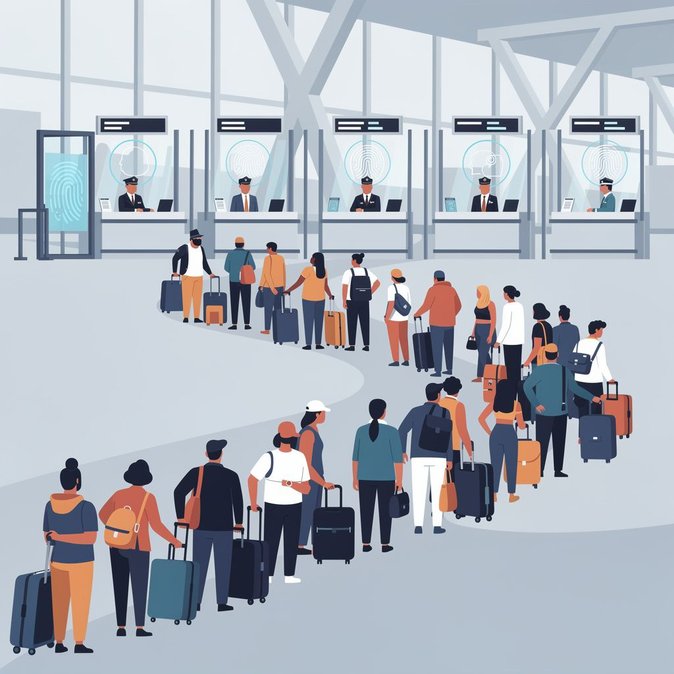
Brussels Airport began the working week with another bout of operational turbulence on Monday, 6 July 2026. Live flight-tracking boards showed seven outright cancellations and 112 delayed departures or arrivals before noon, disrupting links to London, Paris, Rome and a string of secondary European cities. Industry analysts say there was no single trigger such as a strike or technical failure. Instead, a cascade of smaller issues – late-running inbound aircraft, ground-handling back-ups and air-traffic slot restrictions – combined with peak-season passenger volumes to overwhelm the tightly-timed schedule. The result was hour-long gate holds that rippled across the day’s rotations, particularly for home-carrier Brussels Airlines, Ryanair and Turkish Airlines. The latest disruption highlights the fragility of Europe’s summer airline network as carriers push utilisation back to (and in many cases beyond) pre-pandemic levels. Brussels Airport sits at the crossroads of some of the continent’s busiest corridors; when a handful of early flights miss their slots, crews and aircraft fall out of sequence and recovery options evaporate. For business travellers, the practical implications are immediate: missed meetings, broken connection chains and potential EU261 compensation claims. Travel-management companies are already advising corporate clients to build additional buffers into itineraries that rely on Brussels as a hub, and to keep digital copies of boarding passes and delay notifications for any future reimbursement claims. Airport management insists the underlying operation is robust, pointing to recent labour pacts that should limit the risk of wild-cat strikes later in the summer. But with passenger volumes running at record highs and border-control processing times lengthening under the EU’s new Entry/Exit System, even minor snafus can translate into a bad day across the network.
Source: The Traveler