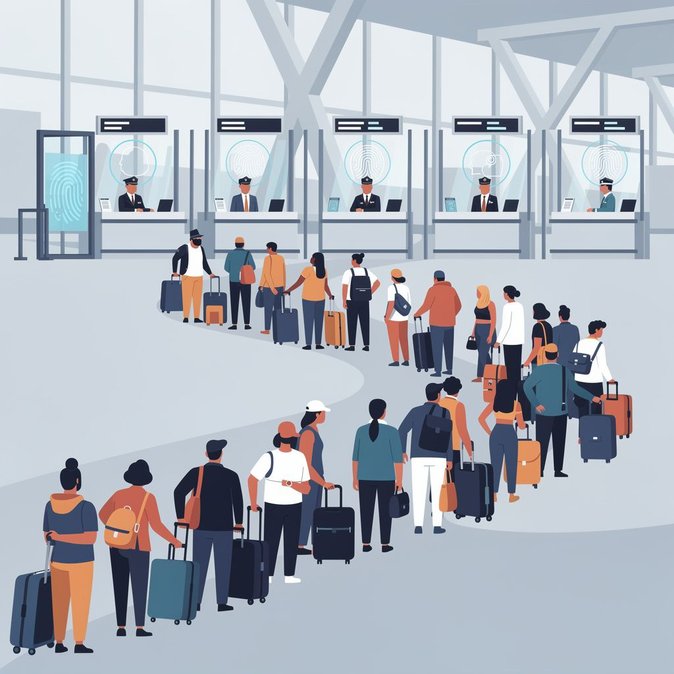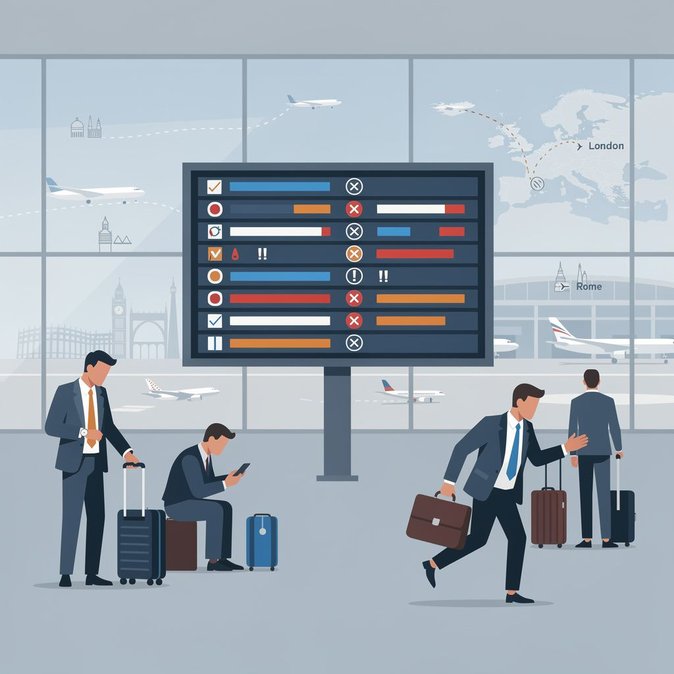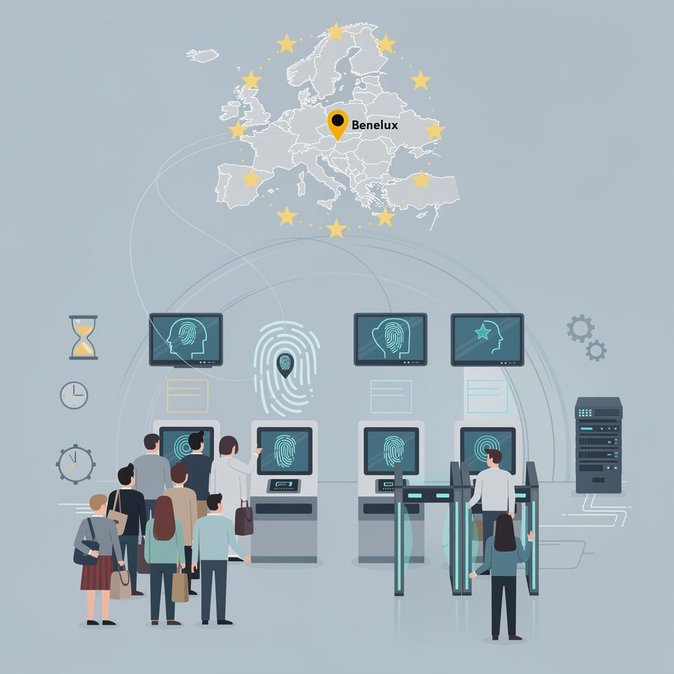
In a letter leaked on Monday, EU migration commissioner Magnus Brunner promised “additional efforts” to help member states still grappling with the Entry/Exit System after Europe’s main airline and airport bodies warned of waits of up to five hours at checkpoints. The trade groups explicitly cited Brussels Airport as one of the hubs at risk of “systemic disruption” this summer if no remedial action is taken. The joint industry letter from ACI Europe, Airlines for Europe (A4E) and IATA urged the Commission to let countries suspend biometric capture during peak periods. Brunner’s response stops short of authorising a blanket pause but says the EU is ready to deploy technical teams and emergency funding to airports “where infrastructure or staffing shortfalls persist.” For Belgium, the offer could translate into fast-tracked EU financing for additional self-service kiosks at Brussels and regional airports plus specialised training for Federal Police agents. Aviation sources say the government is preparing a request that would also cover Oostende during cruise-call spikes and Liège for overnight cargo peaks. Business-travel consultancies welcome the prospect of EU support but note that hardware fixes alone will not resolve the learning-curve problem for first-time EES users. Many multinationals are therefore updating Belgian travel policies to mandate longer minimum connection times and to favour rail over air for sub-4-hour intra-Schengen hops until the situation stabilises. Commission officials and industry representatives will meet in Brussels on 7 July to finalise an action plan. If member states back emergency derogations, Belgian authorities could gain new flexibility to suspend or streamline biometric capture during the busiest August holiday weekends – a move that airlines believe would materially reduce knock-on delays across the network.
Source: PAX Global Media