
Data scraped on 6 July from the Home Office Register of Licensed Sponsors indicates that more than 1,200 UK employers regained or secured an A-rating during the first compliance refresh following April’s fee increases and the July removal of visa vignettes. Immigration-data service MyVisaJobs, which republished company-specific pages the same day, points to a sharp rise in mid-sized firms seeking Skilled Worker licences to fill engineering, digital and hospitality roles. Illustrative profiles—such as PW Productions Ltd, newly listed as an A-rated Skilled Worker sponsor—show that employers must now meet a general salary floor of £41,700 or the higher SOC rate and ensure roles sit at RQF Level 6 or above. The register also flags the new CEFR B2 English requirement introduced on 8 January 2026, a change that caught several sponsors off-guard during compliance audits earlier this year. Consultants note that the July register is the first to be published since physical visa stickers were abolished. Sponsors whose HR systems still rely on vignette verification must now adapt onboarding workflows to accept digital eVisa share-codes and updated BRP formats. Failure to do so risks right-to-work breaches that could see recently reacquired A-ratings downgraded. For global-mobility programmes the update is a mixed blessing: a larger pool of licensed employers could intensify competition for international talent, but it also expands partnering options for secondments and intra-company transfers. Mobility leaders are advised to download the refreshed register, cross-check vendor status and brief recruitment teams on the latest salary and English-language thresholds.
Source: MyVisaJobs
How VisaHQ can help
VisaHQ simplifies the visa application process for individuals and businesses. Check current travel requirements, prepare the required documents and manage your application online through the VisaHQ United Kingdom portal.More From United Kingdom
View all
Parliamentary Committee presses Home Secretary on Immigration and Asylum Bill, ETA enforcement and Common Travel Area
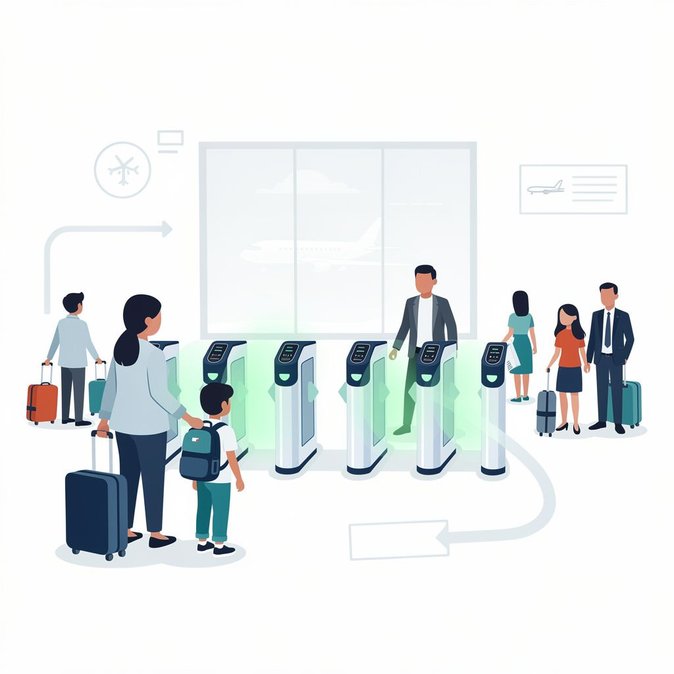
Airport eGates to open to eight- and nine-year-olds from 8 July, easing family queues