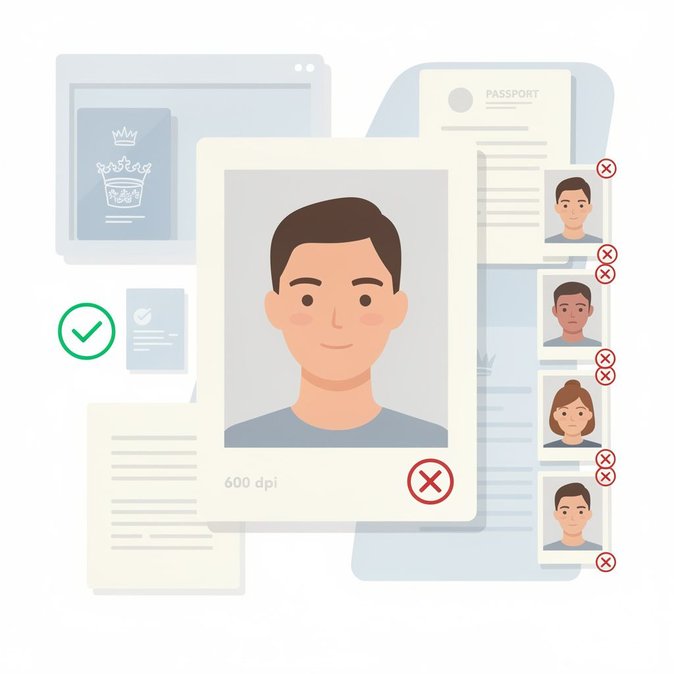
UK Visas & Immigration (UKVI) has published updated photo specifications for all visa and Electronic Travel Authorisation (ETA) applications, tweeting the new rules on 7 July 2026. The update specifies a minimum resolution of 600 dpi, a neutral background that is ‘light grey or cream’ (white is no longer accepted), and a mandatory 60–70 percent face area within the frame.
VisaHQ’s online platform is already configured for these new standards and lets travellers or HR teams upload images for an immediate compliance check before submitting an application; the full service—accessible at also manage every step of a UK visa or ETA filing, helping to avoid costly automatic rejections.
Applications that do not meet these standards will be rejected automatically by the digital processing system. While the technical tweaks may appear minor, immigration advisers say the change is significant because more than 80 percent of standard UK visa and ETA applications are now processed entirely online using automated verification tools. Poor-quality images are a leading cause of refusals and delays: UKVI statistics show that 12 percent of ETA rejections in Q2 2026 were due solely to photo non-compliance. The new guidance also clarifies that images must be taken within the last six months and uploaded in JPEG or HEIC format with a file size under 10 MB. For corporate mobility teams, the advice is to refresh internal checklists immediately—especially for group travel where large batches of images are captured by third-party vendors—and to audit photo booths used during overseas visa-surgeries. Applicants who have already submitted but whose cases remain pending will be contacted if their photos fall short, UKVI said. Stakeholders welcomed the clearer rules but called for an online pre-check tool to allow travellers to validate their images before paying the application fee. UKVI replied that such a feature is "in beta testing" and could roll out by November. Practically, multinationals should circulate the new requirements to recruiters and relocation providers. Employers sponsoring Skilled Worker, Global Business Mobility, or Youth Mobility participants risk onboarding delays if photos are rejected, since a fresh biometric submission re-starts processing time-lines.
VisaHQ’s online platform is already configured for these new standards and lets travellers or HR teams upload images for an immediate compliance check before submitting an application; the full service—accessible at also manage every step of a UK visa or ETA filing, helping to avoid costly automatic rejections.
Applications that do not meet these standards will be rejected automatically by the digital processing system. While the technical tweaks may appear minor, immigration advisers say the change is significant because more than 80 percent of standard UK visa and ETA applications are now processed entirely online using automated verification tools. Poor-quality images are a leading cause of refusals and delays: UKVI statistics show that 12 percent of ETA rejections in Q2 2026 were due solely to photo non-compliance. The new guidance also clarifies that images must be taken within the last six months and uploaded in JPEG or HEIC format with a file size under 10 MB. For corporate mobility teams, the advice is to refresh internal checklists immediately—especially for group travel where large batches of images are captured by third-party vendors—and to audit photo booths used during overseas visa-surgeries. Applicants who have already submitted but whose cases remain pending will be contacted if their photos fall short, UKVI said. Stakeholders welcomed the clearer rules but called for an online pre-check tool to allow travellers to validate their images before paying the application fee. UKVI replied that such a feature is "in beta testing" and could roll out by November. Practically, multinationals should circulate the new requirements to recruiters and relocation providers. Employers sponsoring Skilled Worker, Global Business Mobility, or Youth Mobility participants risk onboarding delays if photos are rejected, since a fresh biometric submission re-starts processing time-lines.