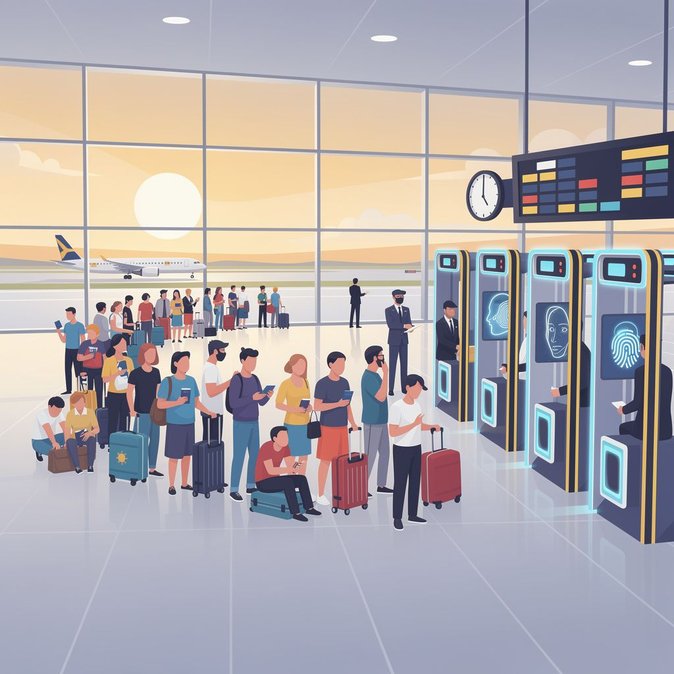
The roll-out of Europe’s next big travel hurdle—the €20 European Travel Information and Authorisation System (ETIAS)—has slipped by at least a year. According to Financial Times reporting confirmed by EU-LISA insiders, software integration issues and the ongoing crisis at border checkpoints mean the Schengen pre-authorisation scheme will not go live until 2027. The ETIAS website still shows “Q4 2026”, but Brussels officials privately concede that target is now “illusory”. For Belgian businesses the delay is double-edged. On the plus side, corporate travel managers get breathing space before they must build ETIAS checks into booking workflows for non-EU staff and visiting clients. Travel-management companies in Brussels had estimated implementation costs of €50-€70 per traveller when programme overheads are included. On the downside, postponement prolongs uncertainty. Airlines cannot finalise DCS (departure-control-system) upgrades, and the Belgian Immigration Office will have to keep manual Advance Passenger Information (API) vetting in place for another peak season. That means more data-privacy paperwork for HR teams sponsoring temporary work assignments. The Commission says the focus must remain on stabilising EES before adding an extra layer of checks. Industry groups agree but stress that ETIAS architecture should be trial-ready six months before launch to avoid a repeat of this summer’s chaos. Companies with large US and UK visitor flows into Belgium should therefore map alternative visa-waiver options and ensure invitation letters detail the purpose and length of stay—border police may rely on such documents until ETIAS becomes mandatory.
Source: Euronews