Anxious airport managers and frequent flyers in Belgium received an unexpected reprieve on 8 July when Euronews revealed that the European Commission is preparing to push back the launch of the European Travel Information and Authorisation System (ETIAS) by at least a year – from ‘late-2026’ to 2027. The €20 online permit was meant to become mandatory for all non-EU, visa-exempt visitors – including Britons, Americans and many business executives – heading to Belgium and the rest of the Schengen area.
For travellers and corporate mobility teams looking for hands-on support during this interim period, VisaHQ’s Belgium portal consolidates the latest entry rules, EES updates and future ETIAS requirements while offering streamlined application assistance. Their specialists can pre-screen documents, monitor regulatory changes and handle visa or permit submissions on behalf of employees, helping companies stay compliant without overloading HR staff.
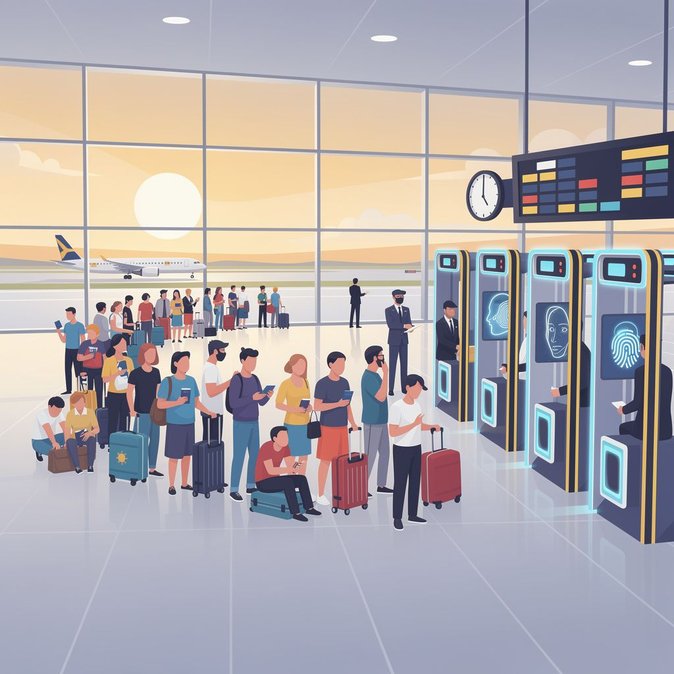
Under ETIAS, travellers would have had to complete an electronic security screening in advance, much like the US ESTA. A delay means that companies planning short-term assignments or conference travel to Brussels can postpone integrating ETIAS into their mobility workflows and corporate booking tools. Behind the decision is the troubled roll-out of the Schengen Entry/Exit System (EES). Since EES went live in April, operators at Brussels Airport have reported longer queues as biometric kiosks capture fingerprints and facial images of third-country nationals. Airline and airport associations warned the Commission on 1 July that EES had reached a “critical point” and was already hurting Europe’s competitiveness. Insiders quoted by the Financial Times said IT problems with ETIAS would only “double the line again” if launched prematurely. For Belgium, where tourism represents 5 % of GDP and Brussels hosts more than 1,700 multinationals, the postponement buys time to stabilise EES infrastructure and to run multilingual information campaigns for travellers. Mobility managers should nevertheless keep ETIAS on their radar: once active, it will be obligatory even for regular business visitors staying under 90 days. HR teams are advised to budget for the fee, update invitation letters, and monitor official channels in 2027 for a definitive ‘go-live’ date. In the meantime, mobility stakeholders should focus on smoothing EES registration, ensuring that assignees have clear instructions on using self-service kiosks at Brussels Airport and on retaining boarding passes and accommodation proofs in case of system glitches. The reprieve is welcome, but it is only temporary – digital border controls are still the future of business travel in Belgium.
For travellers and corporate mobility teams looking for hands-on support during this interim period, VisaHQ’s Belgium portal consolidates the latest entry rules, EES updates and future ETIAS requirements while offering streamlined application assistance. Their specialists can pre-screen documents, monitor regulatory changes and handle visa or permit submissions on behalf of employees, helping companies stay compliant without overloading HR staff.
Under ETIAS, travellers would have had to complete an electronic security screening in advance, much like the US ESTA. A delay means that companies planning short-term assignments or conference travel to Brussels can postpone integrating ETIAS into their mobility workflows and corporate booking tools. Behind the decision is the troubled roll-out of the Schengen Entry/Exit System (EES). Since EES went live in April, operators at Brussels Airport have reported longer queues as biometric kiosks capture fingerprints and facial images of third-country nationals. Airline and airport associations warned the Commission on 1 July that EES had reached a “critical point” and was already hurting Europe’s competitiveness. Insiders quoted by the Financial Times said IT problems with ETIAS would only “double the line again” if launched prematurely. For Belgium, where tourism represents 5 % of GDP and Brussels hosts more than 1,700 multinationals, the postponement buys time to stabilise EES infrastructure and to run multilingual information campaigns for travellers. Mobility managers should nevertheless keep ETIAS on their radar: once active, it will be obligatory even for regular business visitors staying under 90 days. HR teams are advised to budget for the fee, update invitation letters, and monitor official channels in 2027 for a definitive ‘go-live’ date. In the meantime, mobility stakeholders should focus on smoothing EES registration, ensuring that assignees have clear instructions on using self-service kiosks at Brussels Airport and on retaining boarding passes and accommodation proofs in case of system glitches. The reprieve is welcome, but it is only temporary – digital border controls are still the future of business travel in Belgium.