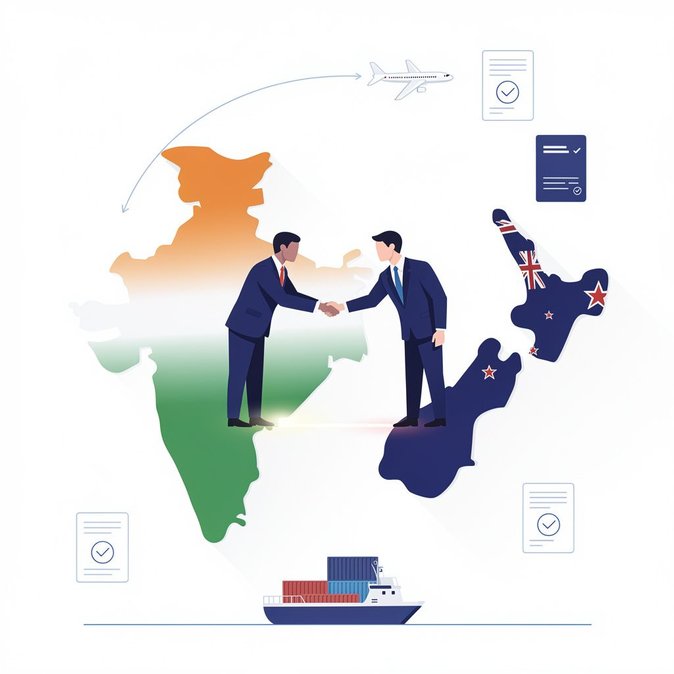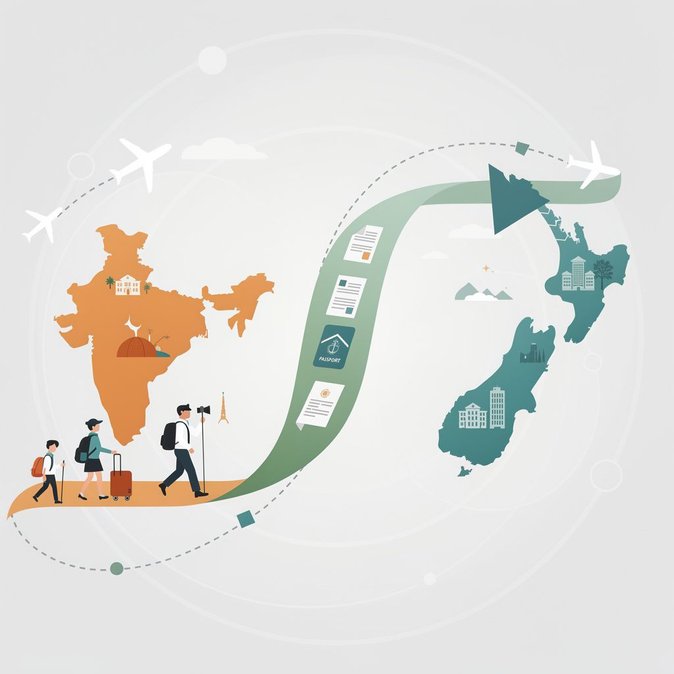
Minutes after issuing their Joint Statement, the two prime ministers released the “India–New Zealand Strategic Partnership: Roadmap to 2030.” The 25-page action plan translates political intent into KPIs, many of which sit squarely in the global-mobility domain. Under the People-to-People and Skills pillar the partners commit to: (1) doubling two-way student flows by 2028; (2) launching an Education Visa Fast-Track pilot that caps processing at ten working days; and (3) mutual recognition of select technical and vocational qualifications, starting with IT and dairy science. Indian IT majors with Wellington delivery centres say the third point alone could slash on-boarding lead-times from 12 weeks to four. Tourism targets are equally specific—arrivals from India are to hit 150,000 annually by 2030 (up from 72,000 in 2024). Airlines are nudged to file slot requests for at least seven weekly non-stop frequencies each way once bilateral air-services talks conclude this autumn. Meanwhile, both immigration authorities will trial a common Arrival Card that can be completed on either country’s DigiYatra-compliant mobile apps, reducing red-tape for frequent flyers. The roadmap also sketches out a “Green Talent Corridor” that will allow 500 Indian clean-energy engineers to take up two-year secondments in New Zealand’s hydrogen and off-shore wind projects, with spouses receiving open work rights. HR teams should note that quotas are to be allocated on a first-come, first-served basis beginning January 2027. For relocation and travel managers the document provides a rare level of predictability: firm numbers, firm timelines and built-in review mechanisms. Monitoring progress will be crucial, but the political will—backed by measurable deliverables—makes this one of the most mobility-friendly bilateral roadmaps India has signed in recent years.
How VisaHQ can help
VisaHQ simplifies the visa application process for individuals and businesses. Check current travel requirements, prepare the required documents and manage your application online through the VisaHQ India portal.More From India
View all
Modi courts New Zealand CEOs, touts FTA as gateway for ‘technology and talent mobility’
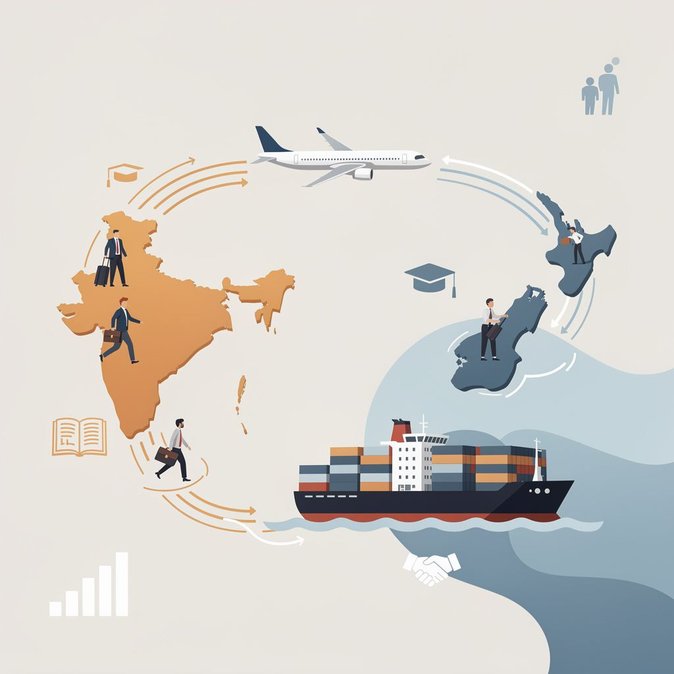
India and New Zealand issue Joint Statement that prioritises tourism, direct air links and mutual recognition of seafarer certificates