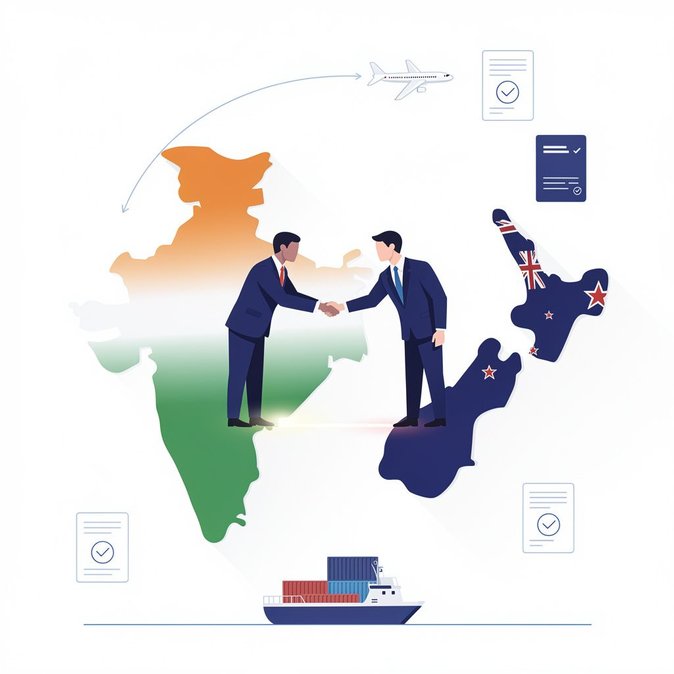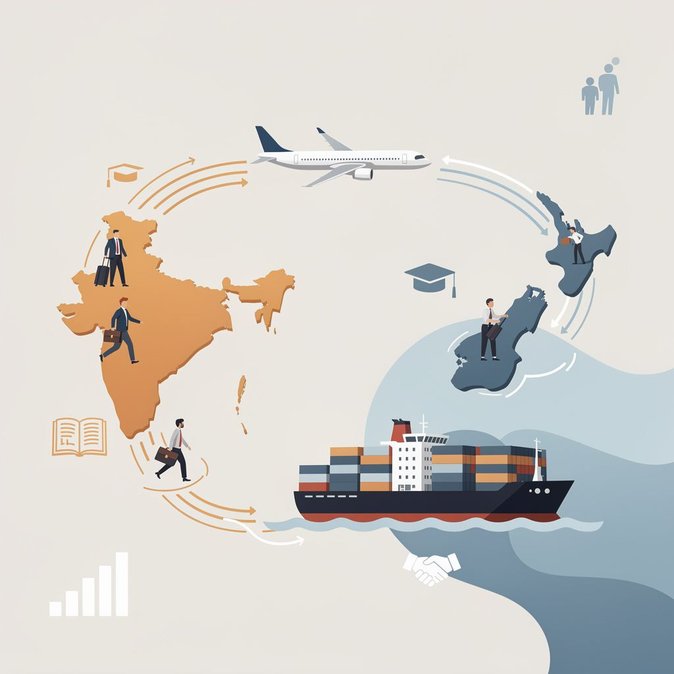
India and New Zealand unveiled an expansive Joint Statement in Auckland on 11 July 2026 during Prime Minister Narendra Modi’s state visit—the first by an Indian leader in four decades. While the 6,000-word document covers everything from defence to disaster relief, it devotes unusual depth to the nuts-and-bolts of moving people. First, the two governments “welcomed the signature of a Memorandum of Arrangement on Tourism” and explicitly “encouraged airlines to commence direct non-stop flights between India and New Zealand.” For Indian corporations this could shave seven to nine hours off current one-stop itineraries via Singapore or Dubai and boost high-yield business-class traffic. Airports in Delhi, Mumbai and Auckland have already begun slot-scenario studies; Air India confirmed it is analysing 14-hour Boeing 787 routings that would open in the 2026/27 winter schedule. Second, maritime mobility received rare prominence. The statement notes “enhanced recognition of seafarer competency certificates” after dialogue between India’s Directorate-General of Shipping and Maritime New Zealand. Harmonised certification would allow some 30,000 Indian officers and ratings already on global payrolls to crew New Zealand-flagged vessels without redundant testing—an administrative saving industry estimates at US $4 million annually. Third, the leaders pledged to double two-way trade in services to NZ$7 billion (≈ ₹35,000 crore) by 2030. They tied that goal to freer movement of consultants, technicians and executives under the in-principle Free Trade Agreement, hinting that short-term business-visitor quotas could be expanded once the FTA is ratified. Travel-management companies expect demand for multi-entry 5-year business visas—already available to New Zealand nationals—to spike. Finally, people-to-people sections highlight a new Education Mobility Working Group and cultural exchange framework. Universities on both sides plan joint master’s modules that include 6-month reciprocal internships, effectively creating a fast-track for future intra-company transferees. For global-mobility managers the takeaway is clear: India-New Zealand corridors—long peripheral—are about to become strategically relevant.
How VisaHQ can help
VisaHQ simplifies the visa application process for individuals and businesses. Check current travel requirements, prepare the required documents and manage your application online through the VisaHQ India portal.More From India
View all
Modi courts New Zealand CEOs, touts FTA as gateway for ‘technology and talent mobility’
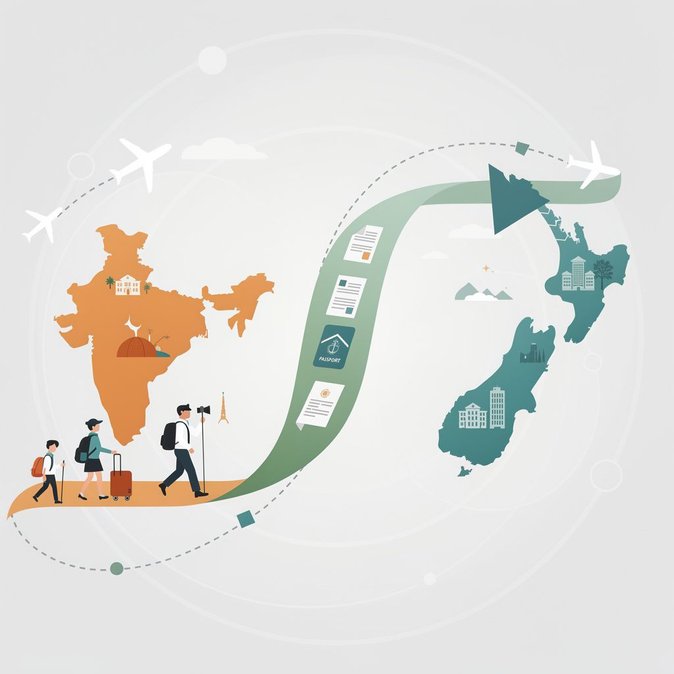
Roadmap 2030: India–New Zealand Strategic Partnership sets measurable targets for student, skills and tourism mobility