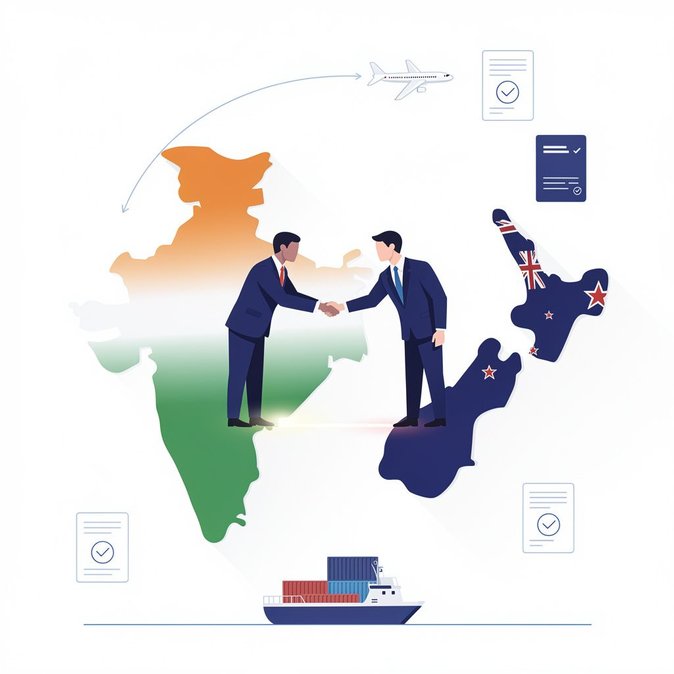
Addressing a closed-door round-table of 30 chief executives in Auckland on 11 July, Prime Minister Narendra Modi made an explicit sales pitch for Indian talent as part of the forthcoming Free Trade Agreement. He argued that the FTA, together with India’s young demographic profile, would “open new opportunities for market access, investment, services, technology and talent mobility.” According to participants from Fonterra, Air New Zealand and Fisher & Paykel, discussion centred on easing short-term work visas for ICT, fintech and agri-tech professionals—a live issue as New Zealand’s unemployment sits at 3 percent and skills shortages persist. The Indian side proposed a Business Mobility Chapter with provisions for 90-day visa-on-arrival privileges for executives who hold APEC-type Business Travel Cards, and reciprocal 30-day multiple-entry e-visas for SMEs. Modi also highlighted India’s push to modernise airports, seaports and urban transit—a cue for New Zealand investors to enter public-private partnerships. Civil-aviation observers note that Air India’s planned nonstop Mumbai–Auckland service would mesh with New Zealand Tourism’s strategy to diversify visitor markets beyond China and Australia. For corporate mobility teams the speech signals that talent portability will remain at the heart of India’s trade diplomacy. Companies considering South-Pacific expansions should begin mapping compliance frameworks for faster-moving assignments, including social-security totalisation, which both governments confirmed is under negotiation.
How VisaHQ can help
VisaHQ simplifies the visa application process for individuals and businesses. Check current travel requirements, prepare the required documents and manage your application online through the VisaHQ India portal.More From India
View all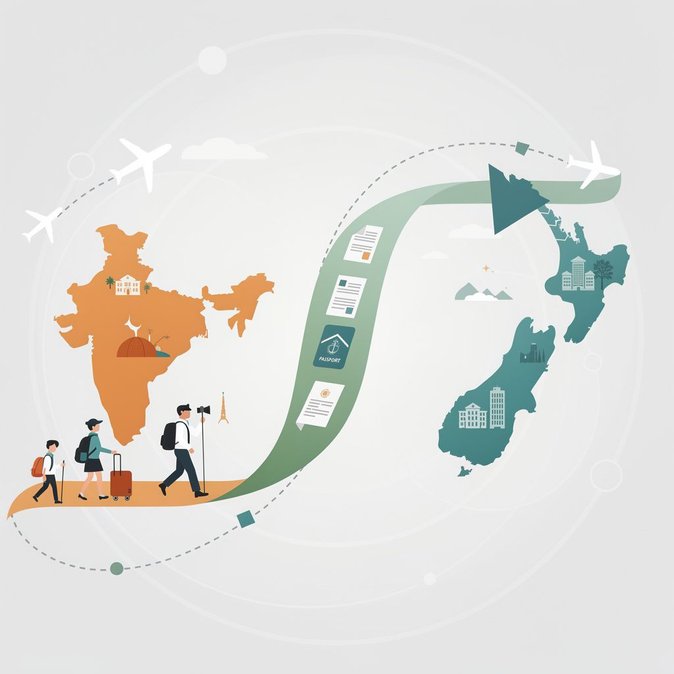
Roadmap 2030: India–New Zealand Strategic Partnership sets measurable targets for student, skills and tourism mobility
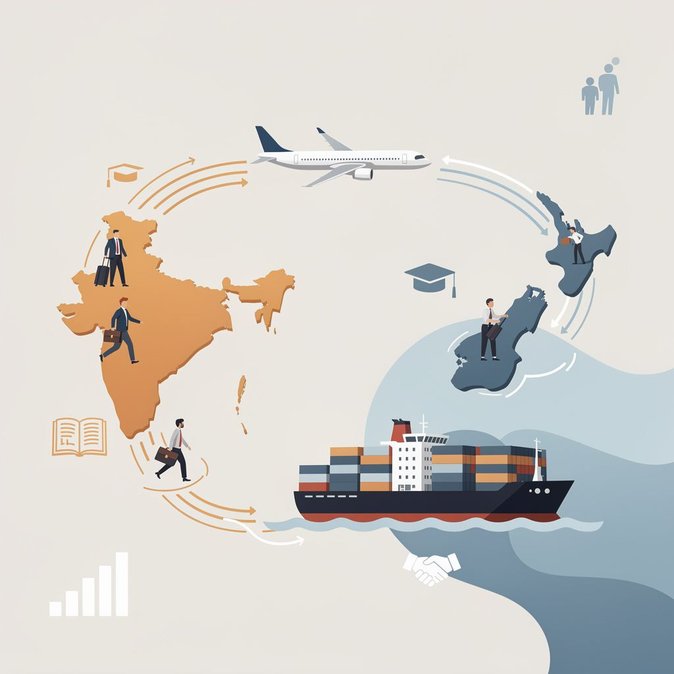
India and New Zealand issue Joint Statement that prioritises tourism, direct air links and mutual recognition of seafarer certificates