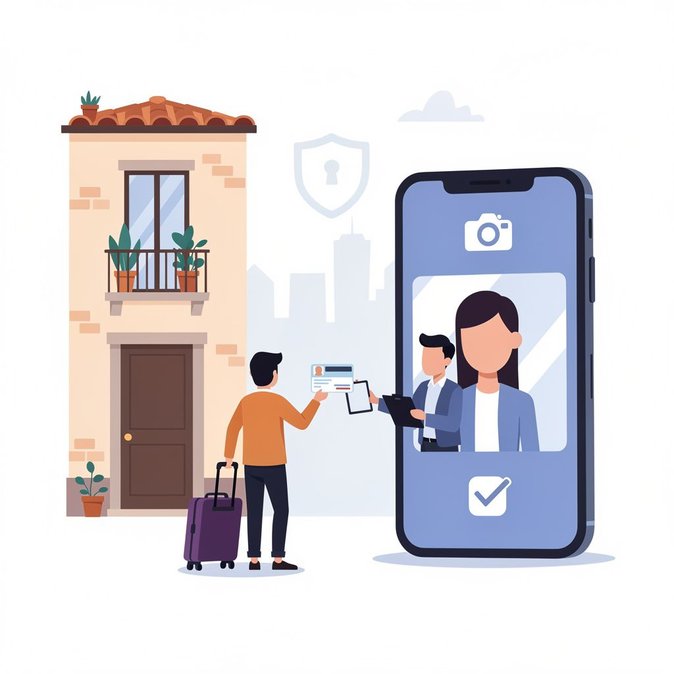
In a ruling published on 11 July, Italy’s Consiglio di Stato overturned earlier administrative-court decisions and restored the obligation for owners of B&Bs, holiday homes and other short-term rentals to verify guests’ identities face-to-face. The verdict revives a 2024 Interior-Ministry circular that had mandated physical ID verification—citing security concerns linked to the boom in private tourist accommodation—before being suspended by the regional TAR court in May.
For corporate travel managers grappling with these renewed documentation checks, services like VisaHQ can streamline the paperwork side. The company’s Italy portal lets employers and individual travellers double-check visa and passport validity requirements in minutes, order fast renewals and receive human support, reducing the risk of last-minute hiccups when IDs are presented on arrival.
Operators must again match the guest to a photo document in person (or via live video call if biometric equivalence can be guaranteed) and upload data to the police “Alloggiati Web” portal within 24 hours of arrival, or six hours for same-day stays. Non-EU nationals must present a passport or other internationally recognised photo ID. Failure to comply can trigger fines up to €3,200 and, in repeat cases, closure of the property. For the fast-growing corporate-housing segment, the decision complicates the self-check-in model that multinational companies have embraced to house short-term assignees and project teams. Technology providers offering smart-lock and remote-verification solutions are rushing to adapt platforms to include real-time video identification that meets the court’s standard. Travel-risk consultants say the reinstated rule may lengthen check-in times and reduce after-hours flexibility, particularly in second-tier business cities where reception staff are limited. Companies are advised to brief travellers on the extra step, budget additional time for arrival and ensure that passports—not national-ID cards—are carried by non-EU staff.
For corporate travel managers grappling with these renewed documentation checks, services like VisaHQ can streamline the paperwork side. The company’s Italy portal lets employers and individual travellers double-check visa and passport validity requirements in minutes, order fast renewals and receive human support, reducing the risk of last-minute hiccups when IDs are presented on arrival.
Operators must again match the guest to a photo document in person (or via live video call if biometric equivalence can be guaranteed) and upload data to the police “Alloggiati Web” portal within 24 hours of arrival, or six hours for same-day stays. Non-EU nationals must present a passport or other internationally recognised photo ID. Failure to comply can trigger fines up to €3,200 and, in repeat cases, closure of the property. For the fast-growing corporate-housing segment, the decision complicates the self-check-in model that multinational companies have embraced to house short-term assignees and project teams. Technology providers offering smart-lock and remote-verification solutions are rushing to adapt platforms to include real-time video identification that meets the court’s standard. Travel-risk consultants say the reinstated rule may lengthen check-in times and reduce after-hours flexibility, particularly in second-tier business cities where reception staff are limited. Companies are advised to brief travellers on the extra step, budget additional time for arrival and ensure that passports—not national-ID cards—are carried by non-EU staff.