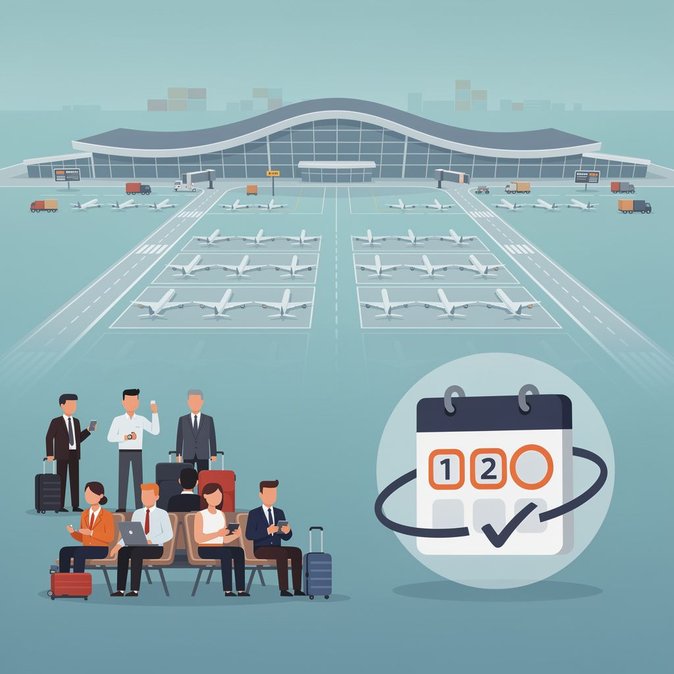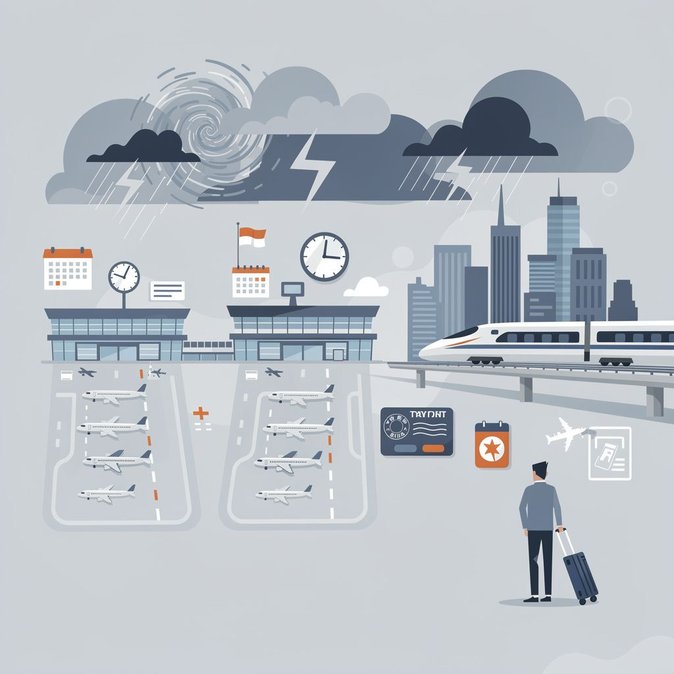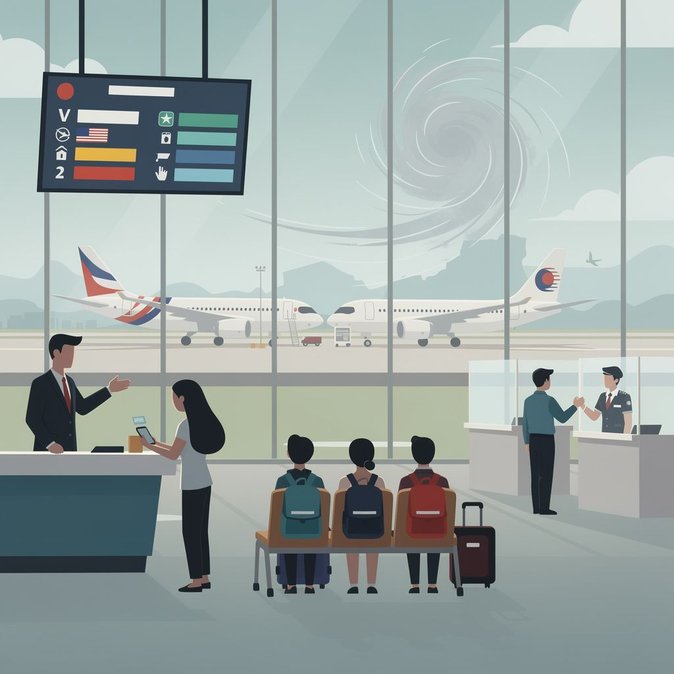
Malaysia Airlines has activated a travel waiver for passengers booked on Kuala Lumpur–Shanghai and Kuala Lumpur–Taipei services between 11 and 12 July. Affected ticket-holders can rebook within 30 days without additional charges or request a refund. The carrier is leveraging its recently enhanced interline agreement with China Eastern to facilitate onward domestic connections once operations stabilise.
Travellers who may need to update or secure new documentation as a result of these changes can turn to VisaHQ for quick assistance; the company’s China resource page lays out current entry requirements and offers expedited processing options, helping passengers remain compliant even when itineraries shift unexpectedly.
Corporate-account managers should note that the waiver applies only if the rebooked sector keeps the same origin and destination; rerouting via secondary Chinese cities will attract fare-difference charges. The airline recommends that passengers process changes through its “My Booking” portal to avoid call-centre bottlenecks. In parallel, the Malaysian Immigration Department confirmed that foreign nationals entering Malaysia after a disrupted China itinerary will not face penalties if their exit stamp from China is later than planned, provided proof of flight cancellation is presented. This reciprocal leniency illustrates growing regional cooperation on mobility disruptions. Travel managers with travellers transiting Kuala Lumpur should ensure that minimum connection times are adjusted upward for at least 48 hours after typhoon events to accommodate rolling delays.
Travellers who may need to update or secure new documentation as a result of these changes can turn to VisaHQ for quick assistance; the company’s China resource page lays out current entry requirements and offers expedited processing options, helping passengers remain compliant even when itineraries shift unexpectedly.
Corporate-account managers should note that the waiver applies only if the rebooked sector keeps the same origin and destination; rerouting via secondary Chinese cities will attract fare-difference charges. The airline recommends that passengers process changes through its “My Booking” portal to avoid call-centre bottlenecks. In parallel, the Malaysian Immigration Department confirmed that foreign nationals entering Malaysia after a disrupted China itinerary will not face penalties if their exit stamp from China is later than planned, provided proof of flight cancellation is presented. This reciprocal leniency illustrates growing regional cooperation on mobility disruptions. Travel managers with travellers transiting Kuala Lumpur should ensure that minimum connection times are adjusted upward for at least 48 hours after typhoon events to accommodate rolling delays.