Hong Kong Observatory maintains strong-wind signal as Bavi weakens after landfall
New licensing rules open Hong Kong’s villages to immersive tourism
Severe Typhoon “Bavi” Triggers Fresh Wave of Flight Cancellations and Airport Flow-Control in Hong Kong
Latest News
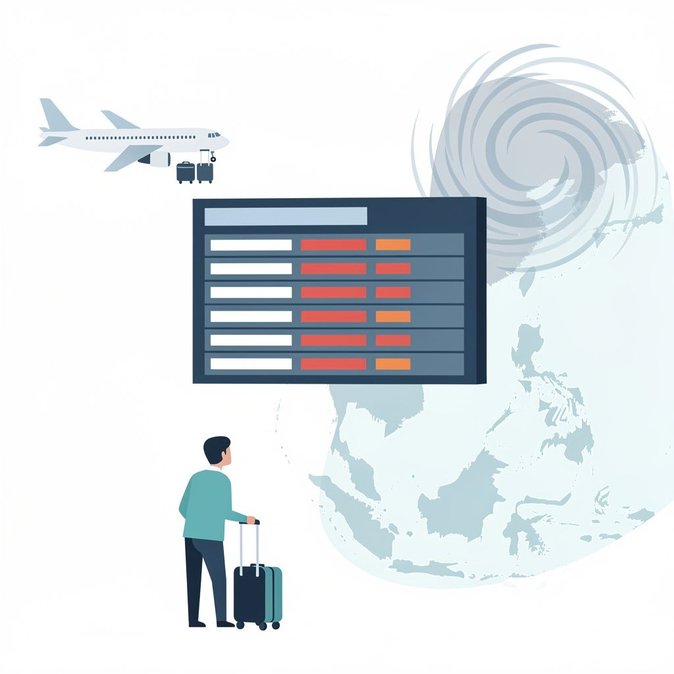
HK Express Cancels Taiwan & Ningbo Flights, Offers Free Rebooking as Bavi Nears
HK Express has axed all Taipei, Taichung, Kaohsiung and select Ningbo flights for July 11 because of Super Typhoon Bavi. The low-cost carrier is waiving change fees and offering full refunds, easing the burden on corporate travellers who rely on its dense regional network.
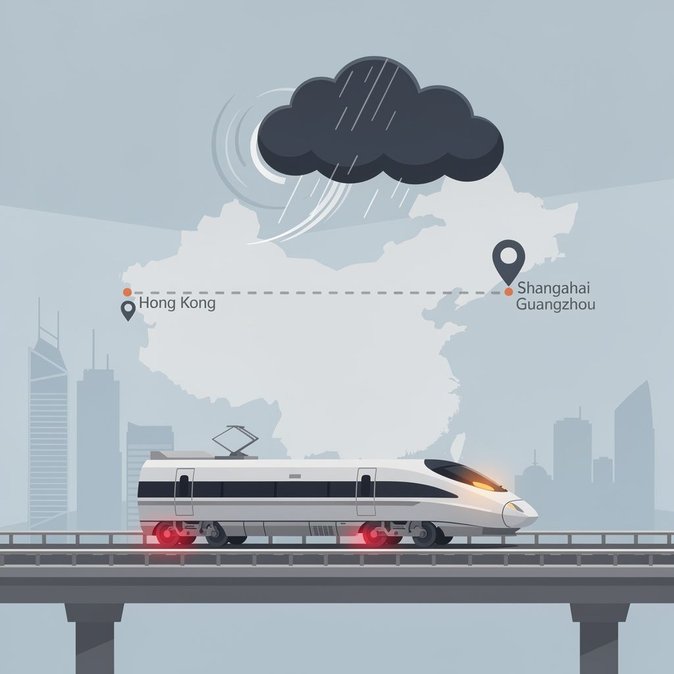
High-Speed Rail Scraps Shanghai, Fuzhou and Guangzhou Trains from West Kowloon on July 11–12
Chinese railway authorities have cancelled multiple cross-boundary High-Speed Rail trains between Hong Kong and Shanghai, Fuzhou and Guangzhou for July 11–12 because of typhoon-related safety concerns. Full refunds are available via the 12306 platform, but businesses should expect knock-on schedule gaps early next week.
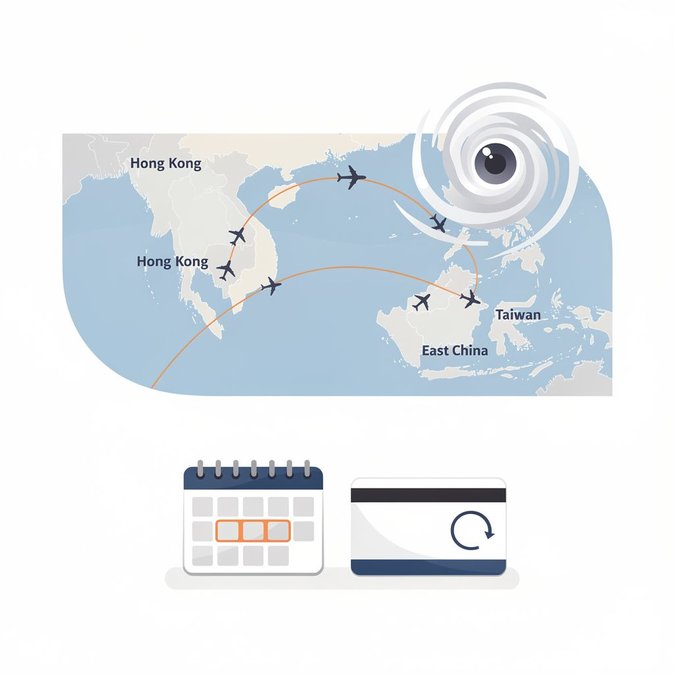
Cathay Pacific Activates Typhoon Waiver for East China and Taiwan Routes
Cathay Pacific has joined other Hong Kong carriers in offering free date changes and refunds for flights to Taiwan and East China between July 9–12. The move helps companies protect project timelines while Super Typhoon Bavi threatens regional aviation schedules.
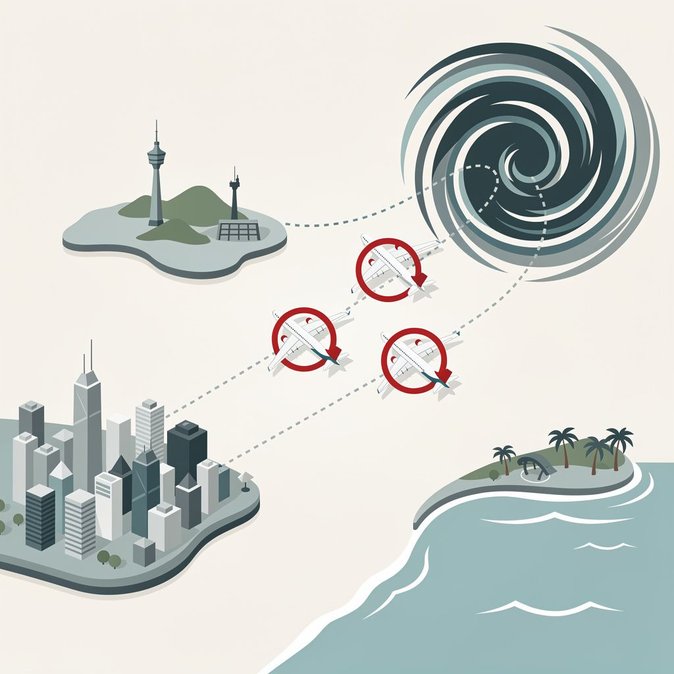
Hong Kong Airlines Cancels Taipei & Okinawa Services, Waives Fees Amid Category-5 Storm Threat
Hong Kong Airlines has cancelled all Taipei flights for July 11 and adjusted Okinawa services as Super Typhoon Bavi approaches. The carrier is offering unrestricted date changes and refunds, but passengers must act within seven days to avoid losing ticket value.
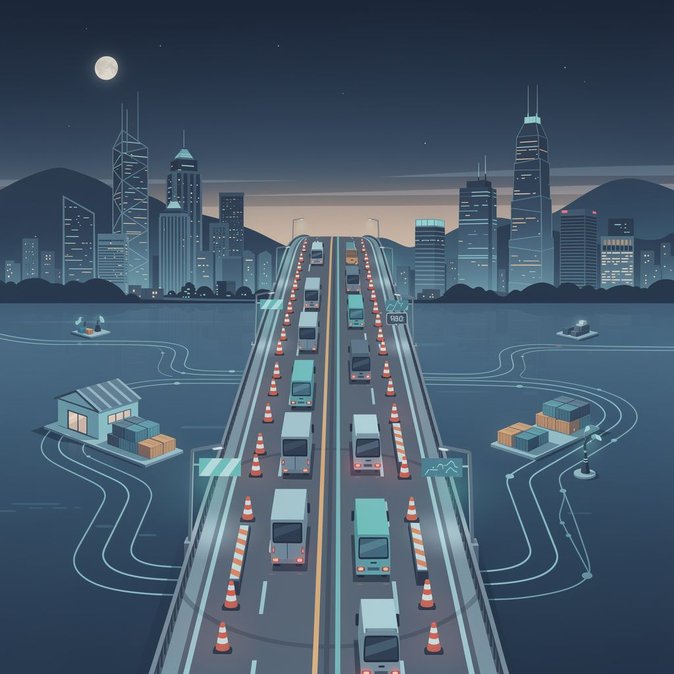
Night-time Lane Closures on HK–Shenzhen Western Corridor to Slow Cross-Border Trucking 11–16 July
From 11 to 16 July, nightly lane closures on the HK–Shenzhen Western Corridor will leave only one southbound lane open, slowing cross-border truck and shuttle-bus movements during early-morning hours. Logistics companies face longer transit times and may need to reroute sensitive shipments or adjust shift schedules to keep supply chains intact.