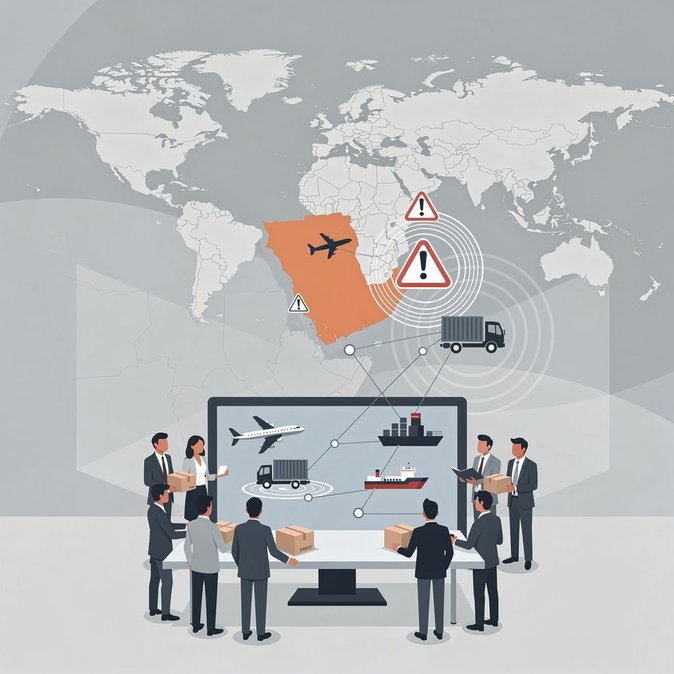
Austria’s inter-ministerial Coordination Panel for National Security convened its 14th session on 14 July to reassess worst-case scenarios stemming from renewed US-Iran hostilities in the Strait of Hormuz. While the focus is energy security, the body confirmed that it also models prolonged air-space closures and maritime embargoes that could upend passenger and freight routes used by Austrian businesses. The panel—comprised of senior officials from all ministries plus the association of provinces—said prior simulations already covered a months-long blockage of the Hormuz chokepoint. Vienna Airport’s traffic data released the same day show that travel to the Middle East has already slumped 27 % year-on-year. The Ministry of Foreign Affairs told companies to re-examine emergency-evacuation clauses in assignment policies, especially for staff stationed in the Gulf States. Logistics providers were asked to feed real-time routing data into the National Crisis Management System so that alternative corridors through the Red Sea or via air cargo hubs can be activated without delay. Although officials stressed that Austria’s fuel reserves are sufficient, they warned that a shipping stand-off could ripple through insurance markets and raise air-freight premiums, adding indirect costs to corporate mobility and household-goods relocations. The panel will meet again if hostilities escalate.
Source: APA-OTS / Top-News Österreich