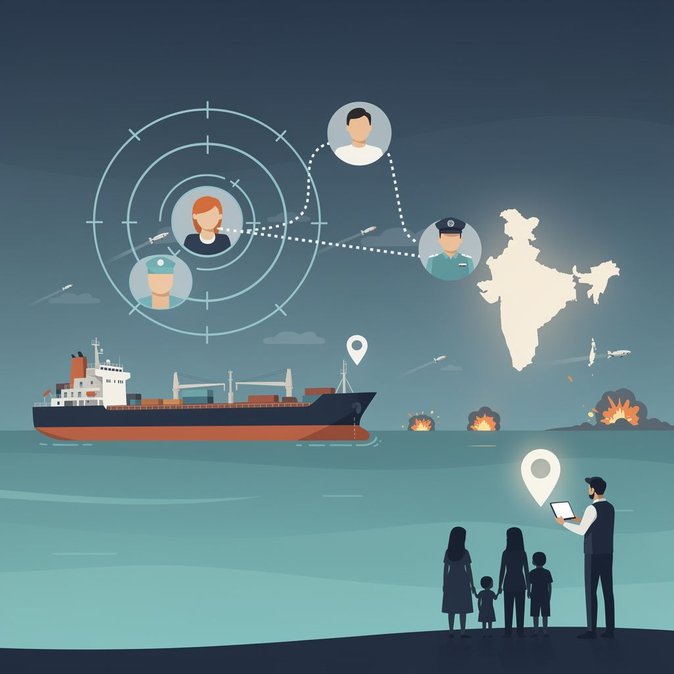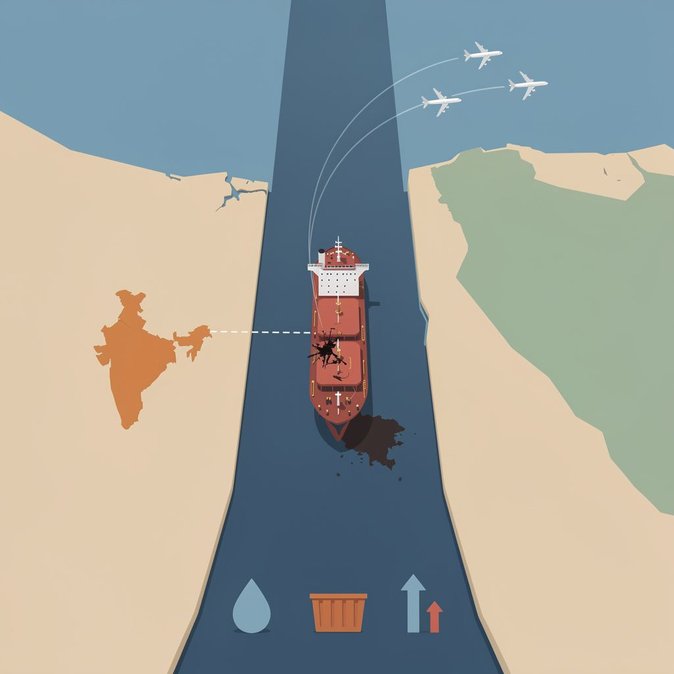
India’s Ministry of External Affairs (MEA) on 14 July summoned Iran’s Deputy Chief of Mission to protest attacks near the Strait of Hormuz that killed one Indian national and injured several others aboard a Marshall-Islands-flagged tanker. MEA spokesperson Randhir Jaiswal told media that New Delhi demanded immediate cessation of hostilities and reiterated that freedom of navigation and uninterrupted energy flows are “non-negotiable” for global economic stability. The Strait, through which roughly 40 % of India’s crude-oil imports transit, has seen a series of drone and missile incidents since April’s US–Israel strikes on Iranian territory. Insurance premia for tankers calling at Indian ports have already risen 15-20 %, costs that analysts warn will eventually feed into domestic jet-fuel and logistics prices. For global mobility teams the security alert has practical ramifications. Airlines routinely recalibrate flight paths to avoid the narrow waterway; a fresh escalation could force longer detours and further squeeze already reduced West-Asia capacity. Shipping delays could also disrupt household-goods moves for expatriates, especially container traffic trans-shipping at Jebel Ali. The MEA statement aligns India with G7 calls for maritime de-escalation and signals that Delhi may consider joining multilateral patrols if the situation worsens. Energy majors Reliance Industries and IOC are understood to be reviewing contingency charters via the Cape of Good Hope should war-risk surcharges climb beyond commercially viable thresholds. Mobility managers should factor potential fuel-price spikes into 2026/27 travel budgets and keep assignees posted on updated company travel-security advisories for Gulf transits.
Source: Akashvani News