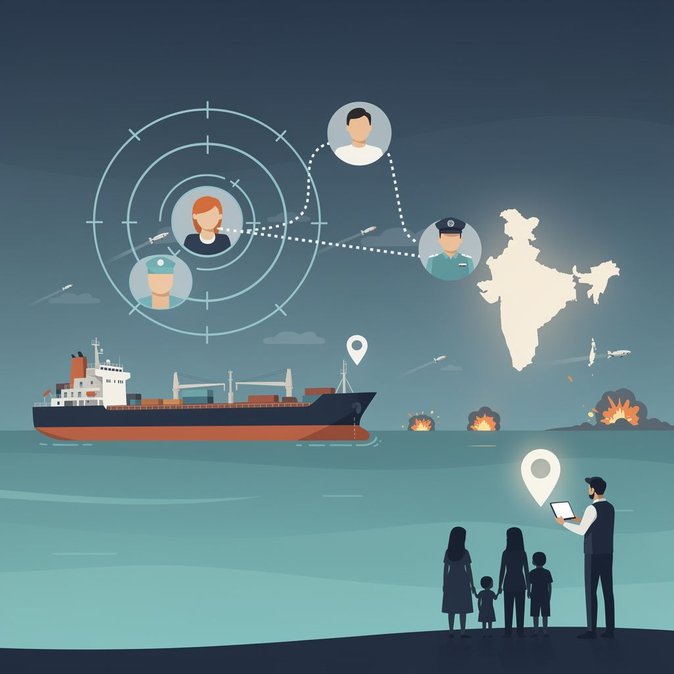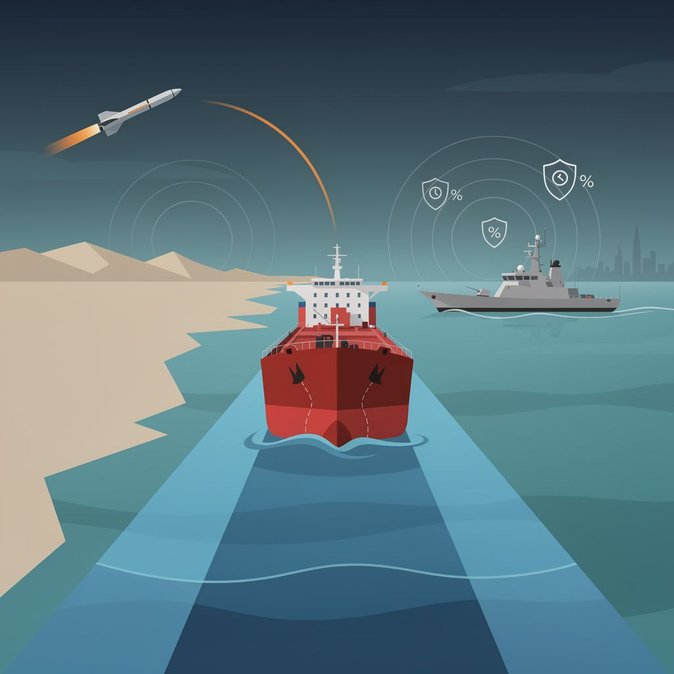
The Ministry of External Affairs (MEA) on 14 July issued one of its strongest demarches in recent memory, summoning Iran’s Deputy Chief of Mission Mohammad Javad Hosseini and calling the missile strikes on two UAE tankers “unacceptable acts of violence against civilian seafarers.” The strikes, claimed by an Iran-aligned militia, killed a 34-year-old engineer from Kerala and wounded several compatriots. MEA spokesperson Randhir Jaiswal told reporters that India “expects Iran to identify and punish the perpetrators and to guarantee the safety of commercial shipping” through the Strait of Hormuz. Delhi also reiterated its commitment to the UN Convention on the Law of the Sea and freedom of navigation—a signal that commercial shipping lanes are a red-line for a country that imports 84 % of its oil. Diplomatic sources say Tehran assured India of a joint investigation, but Delhi is keeping pressure high; National Security Adviser Ajit Doval has been asked to prepare options for naval escorts should the situation deteriorate. For logistics and mobility planners the fallout is immediate: insurers have raised additional war-risk surcharges by up to 40 % on India-bound cargoes transiting Hormuz, and several Indian flag-carriers are weighing whether to follow Maersk in rerouting south of Oman. Companies moving project cargo or crew through the region should refresh contingency plans, confirm kidnap-and-ransom coverage and brief travellers on updated security protocols. Industry bodies FIEO and INSA have called for an early India-Iran dialogue focused on maritime security to prevent further supply-chain shocks as Diwali-season demand builds.
Source: India Today