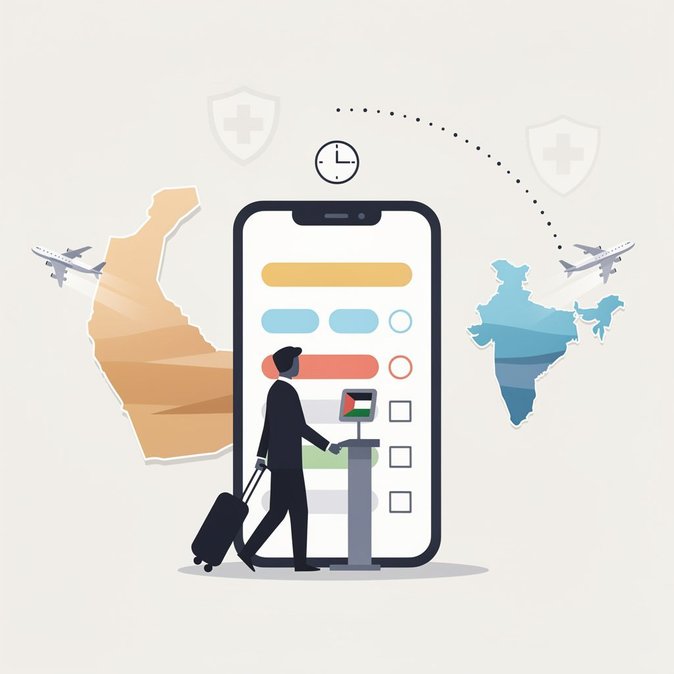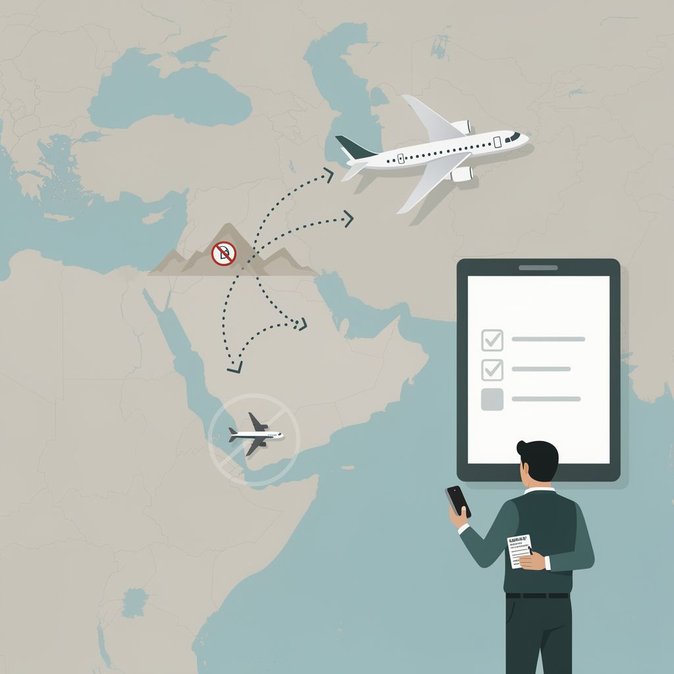
Gulf carriers spent Wednesday reshuffling schedules after renewed missile and drone attacks in Saudi Arabia and ongoing US–Iran hostilities prompted updated air-safety advisories. Abha International Airport—hit by Houthi projectiles for a second straight day—saw at least 11 departures cancelled on 15 July, including services to Dubai and Sharjah operated by flydubai and Air Arabia. Across the region, airlines are still avoiding select airspace corridors, lengthening flight times and raising fuel costs. Emirates and Etihad reported no major cancellations but warned passengers to arrive early and stay alert to last-minute routing changes. International carriers such as KLM, Lufthansa Group and Singapore Airlines continue to keep Dubai, Riyadh and other Gulf destinations off their summer schedules, extending suspensions into August or beyond. In parallel, India introduced “Air Suvidha 2.0”, a mandatory digital health declaration that UAE-based travellers must submit within 24 hours of departure following World Health Organisation concerns over the Ebola/Bundibugyo outbreak in Africa. The form replaces on-arrival paperwork and must be shown at Indian immigration counters. Travel consultants recommend baking the extra step into corporate pre-trip check-lists to avoid denied boarding or delays. Insurance providers say the layered risks—airspace closures, health documentation and sudden route suspensions—underscore the need for robust duty-of-care programmes. “We’re advising clients to collect mobile numbers for all travellers, subscribe to real-time aviation alerts and keep contingency funds for overnight accommodation if diversions occur,” notes Rachel D’Souza of International SOS in Dubai. With the summer peak under way, mobility managers should review ticketing flexibility rules, reconfirm meetings that rely on same-day connections, and brief employees on fast-changing transit requirements, particularly when itineraries involve India, Saudi Arabia or onward sectors over the Gulf of Oman.
Source: Gulf News