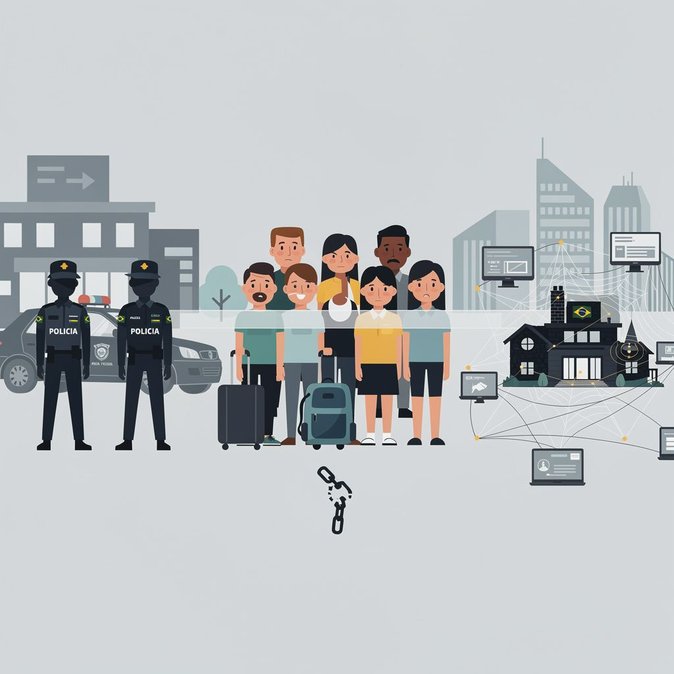
Brazilian Customs (Receita Federal) announced on 14 July 2026 that officers at the Ponte Internacional da Amizade border post in Foz do Iguaçu intercepted two Paraguayan-plated vehicles carrying 600.5 kg of a cannabis-based substance. The seizures took place within minutes of each other after risk-profiling algorithms flagged the cars for secondary inspection. A Paraguayan woman believed to be acting as a spotter was detained nearby when agents discovered she was transmitting real-time updates via disappearing-message apps. The arrest was executed in coordination with the Federal Police, which took custody of the suspects and the contraband. Authorities suspect the load was destined for distribution hubs in Brazil’s south-east, a common route that uses long-distance bus services and ride-sharing fleets to move smaller parcels onward. While the incident centres on narcotics rather than people, it is directly relevant to corporate mobility teams because Ponte da Amizade is also one of Brazil’s busiest land entry points for cargo and passenger vehicles. Any tightening of inspection protocols—as often follows high-profile drug busts—can translate into longer wait times for employee relocations, commuter shuttles, and cross-border trucking operations. Logistics providers have already reported sporadic 60- to 90-minute delays in the wake of the operation. Mobility managers moving household goods or time-sensitive project cargo through Foz do Iguaçu should build additional lead-time into their schedules and monitor subsequent Receita Federal advisories.
Source: Receita Federal