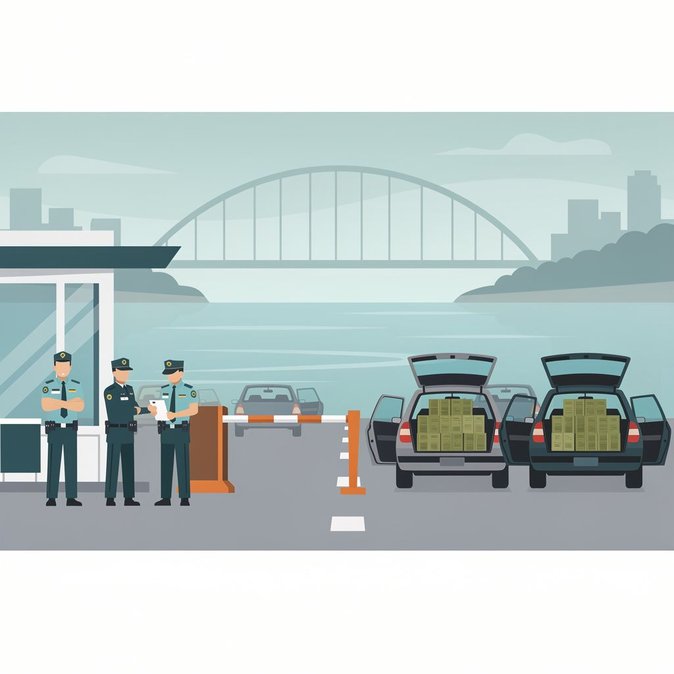
The German Embassy in Brasília has issued fresh guidance to Brazilian passport holders following the full commissioning of the European Union’s Entry/Exit System (EES) on 10 April 2026. In an article dated 13 July, the mission explains that all non-EU visitors entitled to short stays of up to 90 days per 180-day period will have their arrivals and departures recorded biometrically by every Schengen member except Ireland and Cyprus, plus Iceland, Liechtenstein, Norway and Switzerland. Under the new regime, passports are no longer stamped; instead, facial images and four fingerprint scans are captured on first entry and linked to a digital travel history. Automated e-gates and self-service kiosks are now in place at Frankfurt, Paris-CDG, Madrid-Barajas and other major hubs, which should shorten queuing times once travellers are familiar with the process. For Brazilian companies whose staff rotate frequently through Europe on project work or training, the EES brings both benefits and compliance risks: overstays will be detected automatically, and future visa or ETIAS applications could be refused if the 90/180-day rule is breached. Mobility managers are therefore urged to implement centralised tracking of days spent in each Schengen state and to brief assignees on the new biometric capture requirement. Despite rumours, the embassy clarifies that EES does not change entry rules—Brazilians can still travel visa-free for short visits—but recommends allowing extra time at border controls during the initial roll-out phase. Holders of national long-stay visas or EU residence permits remain exempt. Travellers concerned about data protection can consult EU Regulation 2017/2226, which mandates strict retention limits and access controls. Looking ahead, the EES database will interface with ETIAS, scheduled to start for visa-exempt nationals in mid-2027, making accurate exit records essential to automated travel authorisations. The embassy pledges to update its website as further functionalities, such as self-service prepaid overstay fines, are introduced.
Source: German Embassy in Brazil