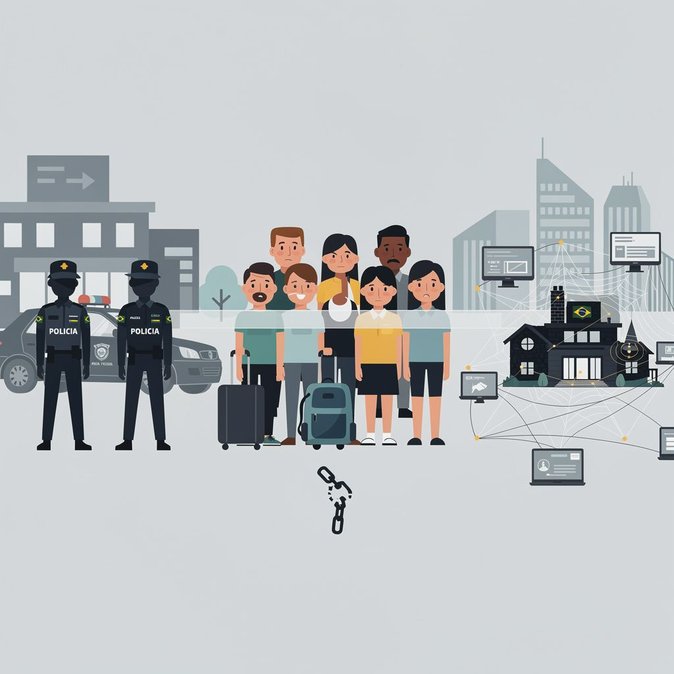
In an operation launched late on 14 July and updated in the early hours of 15 July 2026, Brazil’s Polícia Federal executed a search-and-seizure warrant in São José dos Campos (São Paulo State) and secured preventive arrest orders against two suspects accused of recruiting Brazilians for so-called “scam centres” in Cambodia and neighbouring countries. According to investigators, the recruiters promised well-paid customer-service jobs, paid for air tickets, and then confiscated victims’ passports on arrival. Once in Asia, the victims were forced—often under threat of violence—to run online fraud schemes targeting consumers worldwide. The case was opened after the Ministry of Foreign Affairs repatriated several Brazilians who managed to escape captivity near the Cambodia–Vietnam border. Evidence gathered from phones and encrypted messaging apps shows that the same network has been operating since mid-2025, luring dozens of young Brazilians with social-media adverts. One principal suspect has been living in Cambodia since July 2025; authorities have now requested an Interpol Red Notice to facilitate his extradition. A second suspect will respond to the charges under judicial supervision in Brazil. Human-trafficking specialists note that Brazil is becoming an origin country for labour exploitation rings linked to cross-border cyber-crime. For employers running mobility programmes, the development highlights heightened due-diligence requirements when processing transfer requests to certain Southeast-Asian jurisdictions. It also illustrates how Brazilian authorities increasingly rely on immigration-risk intelligence from consulates to trigger domestic criminal probes. Companies should brief travelling staff on emerging trafficking tactics—particularly promises of remote “customer-success” or “crypto-investment” jobs that require relocation—and make sure emergency-assistance providers can liaise quickly with Brazilian diplomatic posts in the region. The police have opened a dedicated hotline (+55 11 2445 2212) for families who believe relatives may have fallen victim to similar schemes.
Source: Polícia Federal