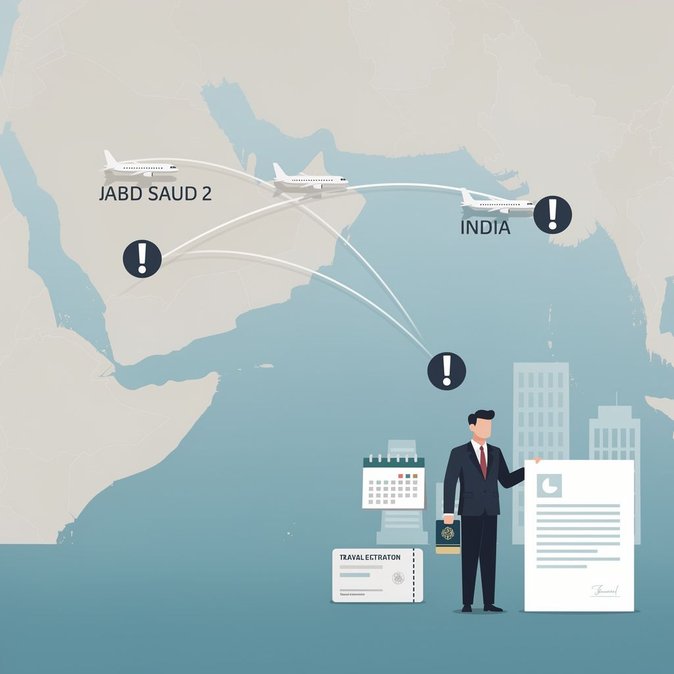
Airlines serving the UAE are adjusting schedules again after drone and missile attacks on Saudi Arabia’s Abha International Airport and renewed aviation-safety bulletins on Gulf overflights. Gulf News’ aviation desk reports that at least 11 flights between Abha and UAE airports were cancelled on 15 July, while carriers such as flydubai and Air Arabia urged passengers to arrive four hours early and monitor real-time alerts. The advisory also highlights a new requirement for travellers heading from the UAE to India: completion of Air Suvidha 2.0, a digital self-declaration introduced in response to the WHO’s escalation of Ebola/Bundibugyo outbreaks in central Africa. Passengers must submit the form within 24 hours of departure and present a QR code on arrival. Travel managers moving staff between Dubai and Indian hubs should update check-in checklists immediately to avoid boarding refusals. Regional carriers remain broadly operational, but international airlines including KLM, Lufthansa Group and Singapore Airlines continue to suspend Dubai, Riyadh or Doha services until at least mid-August. British Airways has postponed its Middle East relaunch to late October, reducing capacity for corporate traffic. Etihad and Emirates, by contrast, report near-record summer loads and are expanding networks to Bangkok, Aleppo and Accra. Risk advisors note that European and North American governments maintain heightened warnings about potential spill-over from US-Iran tensions. Companies with duty-of-care obligations should ensure that traveller tracking systems flag rerouted flights that cross Iranian or Yemeni FIRs and that employees understand exit-ban and social-media restrictions in Saudi Arabia. On a positive note, Oman Air and SalamAir have added almost 200 extra flights on the Muscat–Salalah route for the Khareef holiday, offering alternative connection options for UAE residents seeking cooler summer weather.
Source: Gulf News