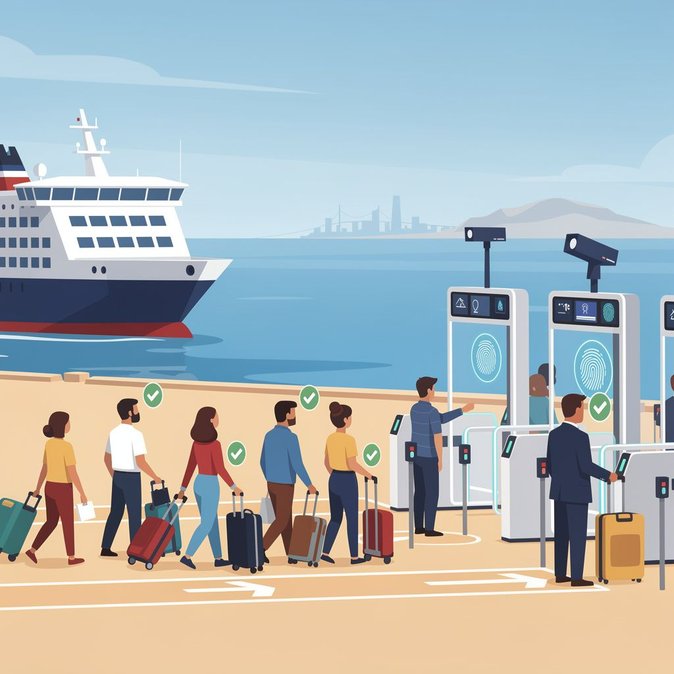
Spain’s annual summer exodus toward North Africa—Operation Paso del Estrecho (OPE)—has logged 646,000 passengers and 160,000 vehicles in its first month, the Interior Ministry reported on 16 July 2026. This year’s edition is historic: it is the first time the EU Entry-Exit System is mandatory at Spanish ports, replacing passport stamps with facial images and fingerprints for third-country nationals. Despite fears of bottlenecks, the ministry says crossings at Algeciras, Tarifa and Almería have run “without significant delays.” Extra kiosks and 400 additional border officers processed biometric enrolments, while ferry operators added 2,220 rotations, 6 percent fewer than last year thanks to larger vessels. The busiest route, Algeciras-Tánger Med, moved 250,000 travellers. OPE matters to multinationals because it tests Spain’s border hardware just as airports gear up for the July-August peak. Lessons learned—such as redirecting families to staffed counters and pre-registering biometrics online—are likely to filter into Aena’s airport playbooks, benefiting corporate road-warriors who will face the same EES formalities when re-entering Spain from non-Schengen trips. Civil-protection chief Virginia Barcones urged travellers to book closed-date tickets and verify car papers to avoid holdups. Logistics firms serving Moroccan supply chains are already adjusting sailing schedules. With volumes expected to double by mid-August, employers should advise North-African staff visiting relatives to allow extra time for returns or risk overstaying Schengen limits. The OPE runs until 15 September; a full operational audit, including average transaction times per passenger, will be published in October, offering an early barometer of EES readiness ahead of the winter conference-travel season.
Source: Ministerio del Interior