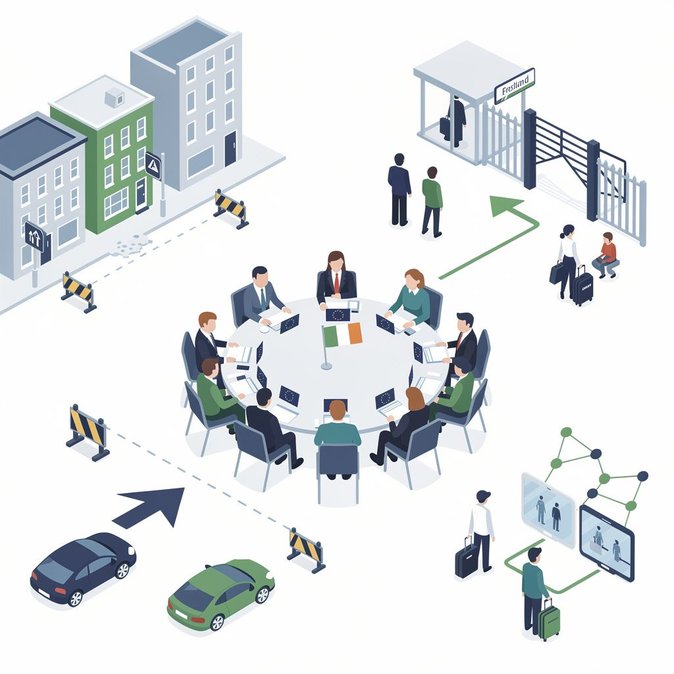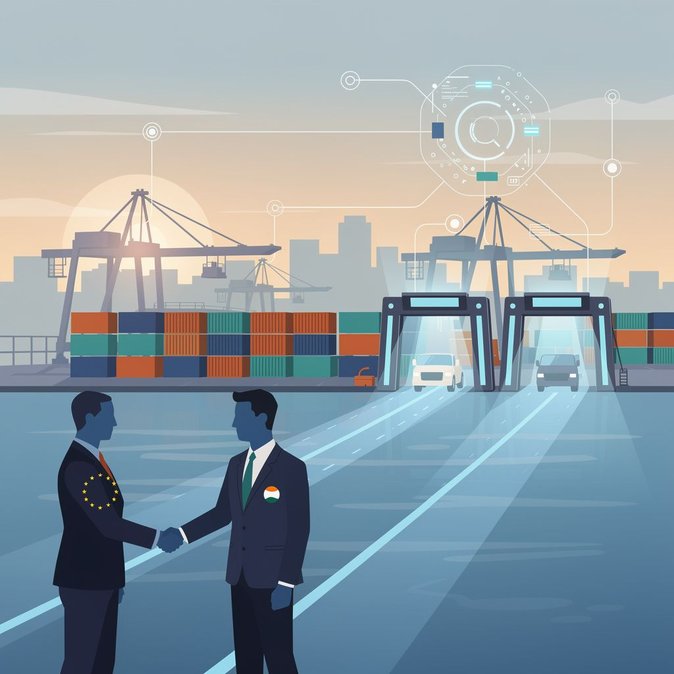
On 17 July, EU Commissioner for Internal Affairs and Migration Magnus Brunner and Irish Justice Minister Jim O’Callaghan co-hosted the third ministerial of the European Ports Alliance at Dublin Port. The Alliance—part of the EU Roadmap against drug trafficking—brings together 28 countries and more than 50 ports to harden supply-chain security. Delegates exchanged intelligence on “narco-containers,” the use of encrypted communications in smuggling networks and best practices for non-intrusive inspection technologies. The meeting agreed a €1.3 million EU grant to expand the Alliance’s public-private partnership and fund pilot projects at smaller regional ports, including Cork and Waterford. For Ireland, whose economy relies heavily on seaborne trade, the spotlight was on balancing security with efficiency. Dublin Port handles 84 % of the nation’s unitised freight; any additional screening could lengthen dwell times. Port management therefore welcomed the EU’s commitment to fund automated risk-profiling software rather than blanket physical inspections. Logistics providers serving pharmaceutical and tech exporters said clearer “fast-lane” criteria for trusted shippers would allow predictable transit times and protect just-in-time supply chains. They urged Revenue and the Irish Naval Service to publish implementation timelines quickly to give customers visibility ahead of the Christmas peak. The Ports Alliance will report back to the JHA Council in December, when ministers are expected to adopt a Council Recommendation making participation in the Alliance a standard element of national drug-control strategies.