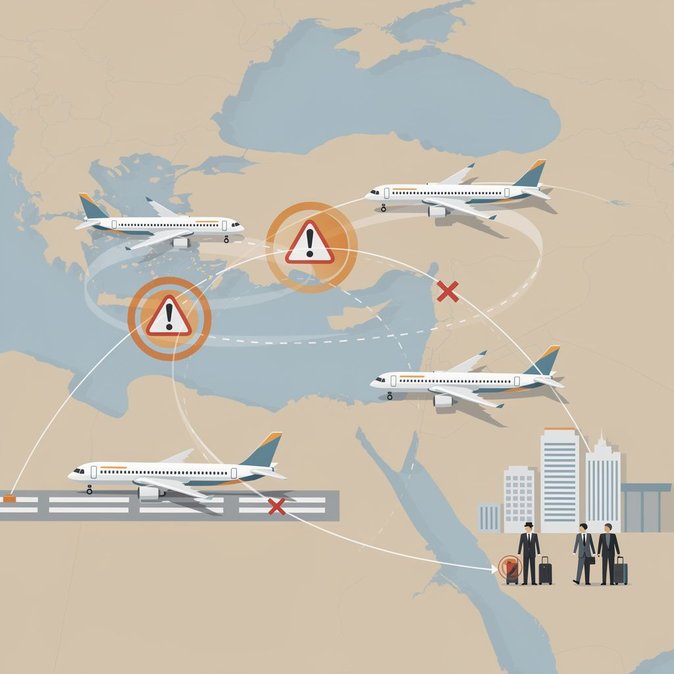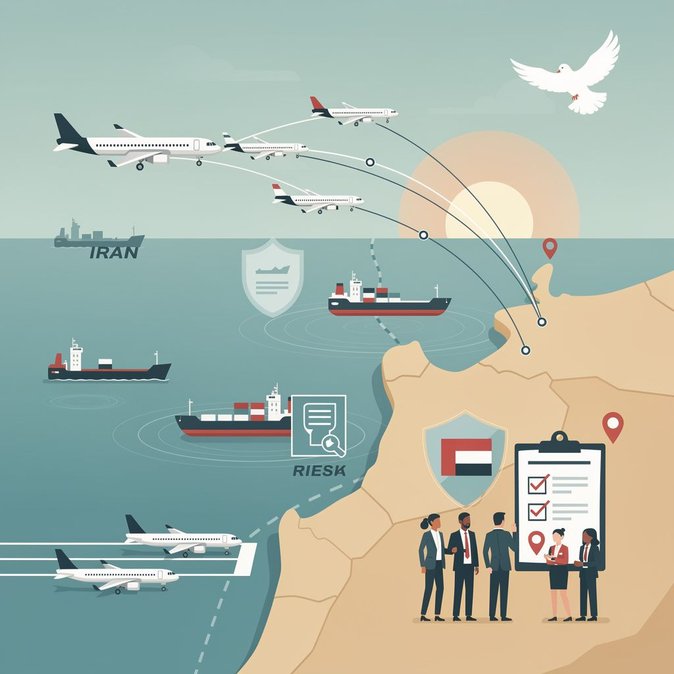
Regional tensions ratcheted up over the weekend as the United States carried out retaliatory strikes against Iranian targets, prompting the UAE to call for immediate de-escalation and safe navigation through the Strait of Hormuz. A Gulf News explainer published on 19 July sets out what residents and companies need to know as the confrontation widens. The UAE Ministry of Foreign Affairs condemned missile and drone attacks on Bahrain, Kuwait and Jordan, labelling them flagrant breaches of sovereignty. At the same time, Etihad, Emirates and Air Arabia cancelled multiple flights between the UAE and Kuwait, while flydubai pulled services to Saudi Arabia’s Abha airport. Insurers report that war-risk premiums for cargo transiting the Strait rose 12 percent week-on-week. Although the UAE has not raised its domestic threat level, security consultants advise multinational firms to review business-continuity plans covering employees in Kuwait and Bahrain, and to register staff on traveller-tracking platforms. Shipping companies have been told to keep a 30-nautical-mile buffer off the Iranian coast and maintain AIS transponder transmissions at all times. Diplomatically, Abu Dhabi is positioning itself as a potential mediator, echoing its 2022 shuttle diplomacy during the Red Sea crisis. Analysts say a quick ceasefire would allow Gulf carriers to reinstate suspended routes in time for the August Hajj return rush. For mobility managers, immediate action items include validating evacuation insurance, ensuring traveller profiles contain next-of-kin details and communicating the latest airline waivers to employees and relocation vendors.
Source: Gulf News