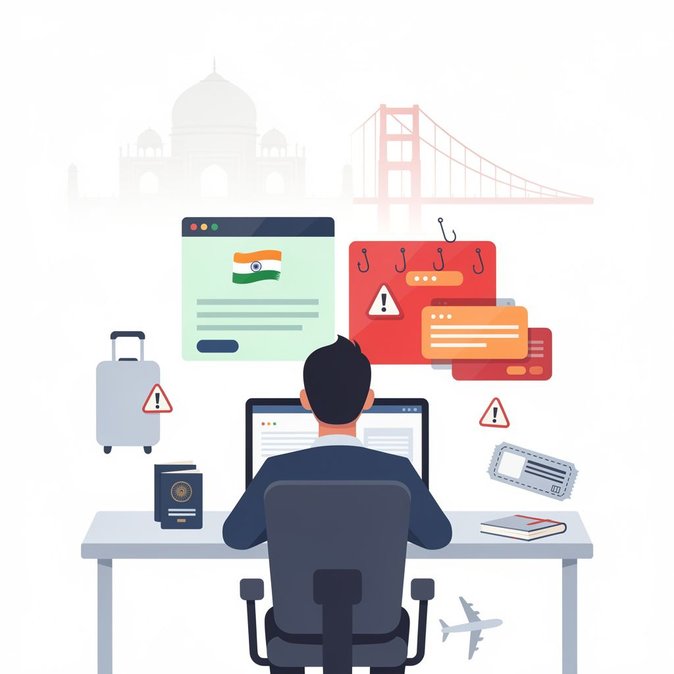
The Consulate General of India in San Francisco issued an "Important Advisory" on 18 July listing more than a dozen websites that are masquerading as the Government of India’s official e-visa portal. Fraudulent domains such as “e-touristvisaindia.com” and “indiavisa.org.in” replicate the look-and-feel of the legitimate indianvisaonline.gov.in site, collect passport data and credit-card details, and charge fees up to USD 200—nearly four times the statutory rate. Consular officials report a 40 percent jump in complaints over the past quarter, with many victims discovering the scam only when airlines deny boarding because the ‘visa’ they carry is invalid. The advisory urges applicants to avoid middlemen, use only the government URL and note that the consulate plays no role in processing e-visa applications. For global-mobility teams, the risk is twofold: data loss (passport scans, DOB, addresses) and last-minute travel disruptions that can derail high-stakes business meetings. Some Silicon Valley firms now route employees through a dedicated travel-desk link that’s hard-coded to the official portal and reimburses fees directly, ensuring compliance. The warning underscores a broader trend: as India digitises entry processes, fraudsters are exploiting search-engine ads and typosquatting to target unfamiliar travellers. Training modules for assignees and travel coordinators should highlight the correct URL, fee structure (USD 25–80 depending on visa type) and the fact that all official payments are processed through the RBI-authorised SBIePay gateway. Failure to do so can lead to denied boarding and reputational damage when senior executives are stranded.