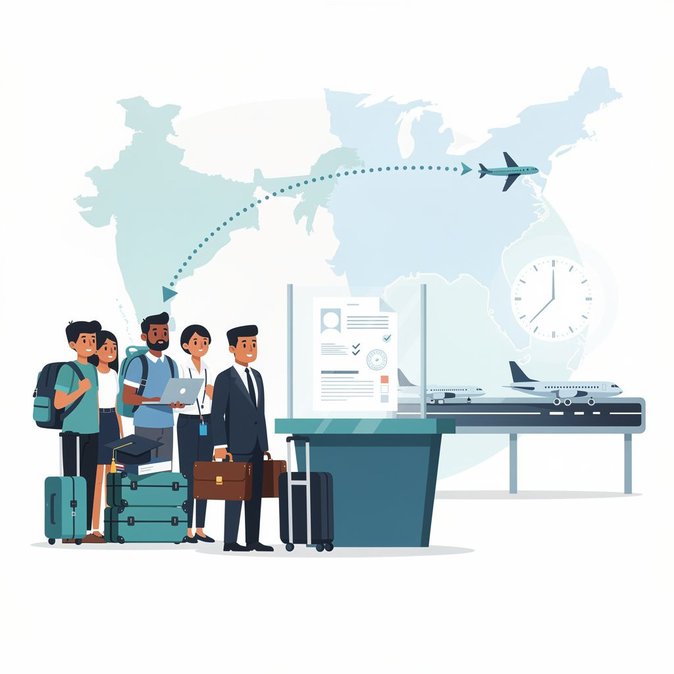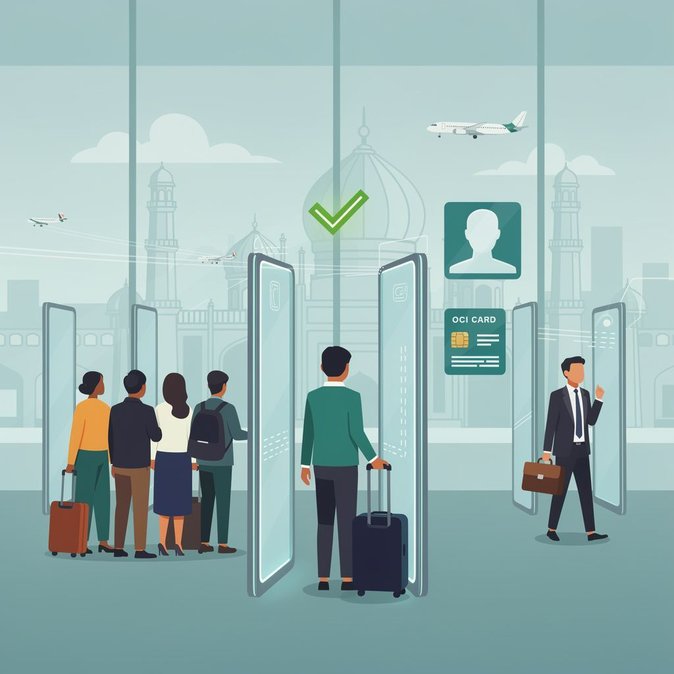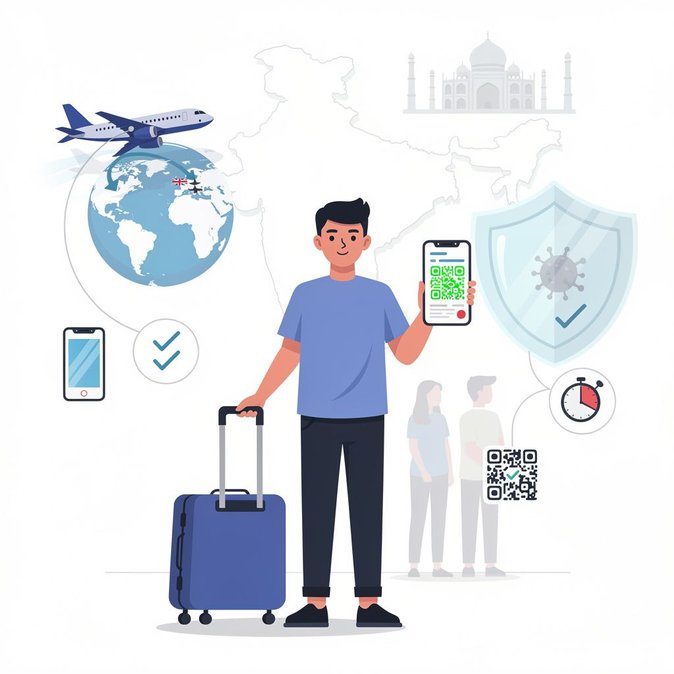
The UK Foreign, Commonwealth & Development Office (FCDO) quietly refreshed its India travel advisory on 18 July, adding two new entry-control measures that business travellers and mobility teams must note. First, all inbound passengers—regardless of nationality—are now required to complete an online health self-declaration form within 24 hours before arrival. The declaration is part of India’s enhanced Ebola surveillance protocol triggered by recent outbreaks in parts of West and Central Africa. The form generates a QR code that must be shown (digitally or on paper) to airline staff at check-in and again at thermal-screening counters on arrival. Failure to present the code can lead to secondary screening and possible quarantine at the traveller’s expense. Secondly, the advisory provides long-awaited clarity on the rollout of the electronic Overseas Citizen of India (e-OCI) card, confirming that physical OCI booklets will remain valid but that foreign spouses of Indian nationals switching to e-OCI must carry both the digital approval and the passport linked to the application. The update follows intermittent reports of airlines refusing boarding to passengers who presented only the e-OCI PDF without the legacy booklet number. For UK-based mobility managers, the key operational change is the health form: teams should build the 24-hour submission window into automated pre-trip checklists and ensure travellers have reliable internet access before departure. Corporates with last-minute ticketing practices—common in consulting and project-engineering sectors—may need to adjust workflows or risk denied boarding. Travellers transiting Gulf hubs should take printed copies because airport Wi-Fi can be patchy. The advisory also reiterates FCDO’s long-standing restrictions near the India-Pakistan border and warns that Middle-East airspace disruptions can cause cascading delays on Europe–India sectors. Insurers have indicated that non-compliance with the official advice could invalidate certain medical-evacuation clauses. While the new measures add paperwork, they also streamline verification: airports equipped with DigiYatra facial-recognition gates will accept the QR code, and the Bureau of Immigration has promised a dedicated “Ebola cleared” channel at Delhi and Mumbai to cut queues for compliant passengers.