Shanghai Pudong Airport Surpasses 20 Million Border Crossings in 2026, Driven by Summer Outbound Surge
Air China opens Beijing–Bishkek non-stop service, strengthening Belt & Road air links
China Eastern Launches Direct Shanghai–Dublin Service, Adding 45,000 Seats a Year
Latest News
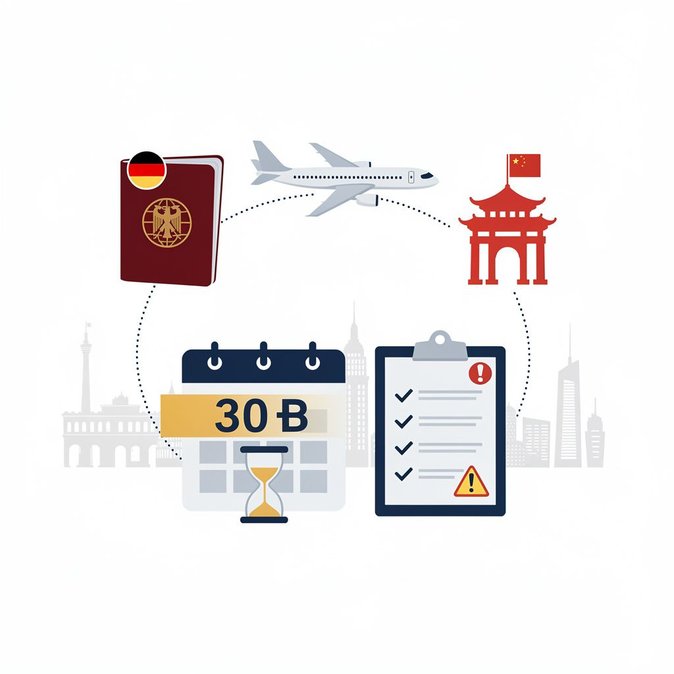
Germany Re-confirms 30-day Visa-Free Entry to China for German Nationals Until End-2026
Berlin’s updated China travel advice on 20 July confirms that German passport holders may keep entering China visa-free for 30-day stays until 31 December 2026. The clarification reassures multinationals that short-term business travel and project work can proceed without visas, but also highlights compliance duties such as 24-hour police registration and potential exit bans.

Shanghai Pudong Airport Surpasses 20 Million Cross-Border Passengers in 2026, Sets New Pace for China’s Summer Outbound Rush
Shanghai’s Pudong International Airport has already processed more than 20 million inbound and outbound passengers in 2026, authorities said on 20 July. Outbound travel by Chinese residents—up 30 % month-on-month—along with rising visa-free foreign arrivals is driving the surge, prompting border control to add e-gates and multilingual assistance. The numbers foreshadow tight airline and hotel capacity for business travellers through the summer.

Shanghai Pudong Airport surpasses 20 million cross-border passengers in 2026, sets new national record
Shanghai Pudong International Airport has already processed more than 20 million international passengers in 2026—an all-time high for any Chinese airport. Visa-free entry schemes, booming outbound tourism and a busy trade-fair calendar are driving demand, forcing border authorities to scale up e-gates and “fast channels” for business travellers. The surge creates more flight options but also higher hotel and fare volatility that corporate mobility teams must now manage.

Huanggang/Lok Ma Chau border to cut crossing time to five minutes as joint-checkpoint ordinance takes effect
Hong Kong has gazetted legislation for a new co-located checkpoint at Huanggang/Lok Ma Chau, due to open 31 July. The rebuilt port will allow travellers to clear Hong Kong and Mainland immigration in a single hall, slashing crossing times from 30 minutes to about five and boosting daily capacity to 200,000. Faster, biometric-driven clearance will benefit cross-border commuters, manufacturers and logistics providers operating in the Greater Bay Area.

Air China Books COMAC C919 on First Scheduled International Service Between Beijing and Ulaanbaatar
AeroRoutes timetable data confirm that Air China will operate its Chinese-built COMAC C919 on the daily Beijing–Ulaanbaatar flight from 12 August, marking the aircraft’s first scheduled international route. The move showcases China’s aerospace ambitions and could diversify aircraft supply for corporate travel once more C919s enter service.

Russia Extends Visa-Free Entry for Chinese Citizens to End-2027
President Putin has signed a decree extending visa-free entry for Chinese nationals until 31 December 2027. The move removes near-term uncertainty for tourism and short-term business travel, is expected to lift Chinese arrivals by at least 20 %, and further aligns with Beijing’s own waiver for Russian citizens. Corporates gain a predictable framework for project visits but must observe Russia’s new digital entry formalities.

Hong Kong International Airport Posts Double-Digit Passenger Growth, Cites Mainland & Japan Demand
HKIA handled 5.12 million passengers in June and 32.8 million in the first half of 2026, with growth fuelled by Mainland and Japan traffic as well as recovering transit flows. New seamless-clearance technology and intermodal links will further speed cross-boundary mobility, but higher airport charges are on the horizon.

China–Thailand Joint Statement Reaffirms Mutual Visa-Free Travel and More Direct Flights
Beijing and Bangkok’s 20 July joint communiqué places mobility centre stage: the two sides reaffirm that their reciprocal visa-free deal for ordinary-passport holders will remain in force and instruct aviation regulators to add more direct flights. The clarity stabilises travel planning for tourists and project teams, while closer customs and law-enforcement cooperation should improve safety along emerging rail and road corridors.

China Railway launches 60-day advance ticket ‘reservation’ pilot on Beijing–Shanghai corridors
China Railway has begun a 60-day advance ‘reservation’ system on the Beijing–Shanghai high-speed and conventional lines, allowing passengers to secure seats far earlier than the current 30-day sales window. The pilot helps business travellers lock in rail seating over the busy summer, introduces new refund rules and sets the stage for nationwide expansion later in 2026.
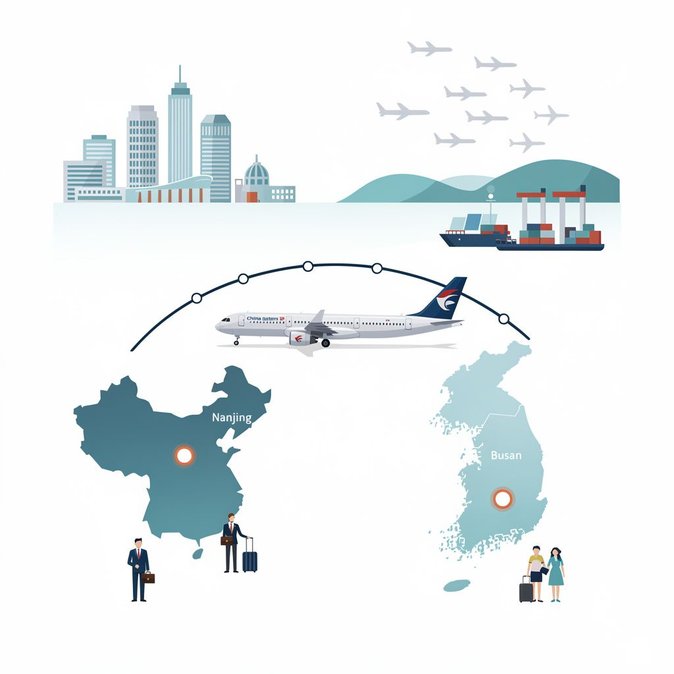
Nanjing restores non-stop service to Busan amid summer travel boom
China Eastern has reopened its Nanjing–Busan route, offering five weekly non-stops that bolster Sino-Korean business and leisure flows during the busy summer season. The service eases congestion on Shanghai routes, benefits Korean investors in Jiangsu and strengthens Nanjing’s position as a secondary international hub.
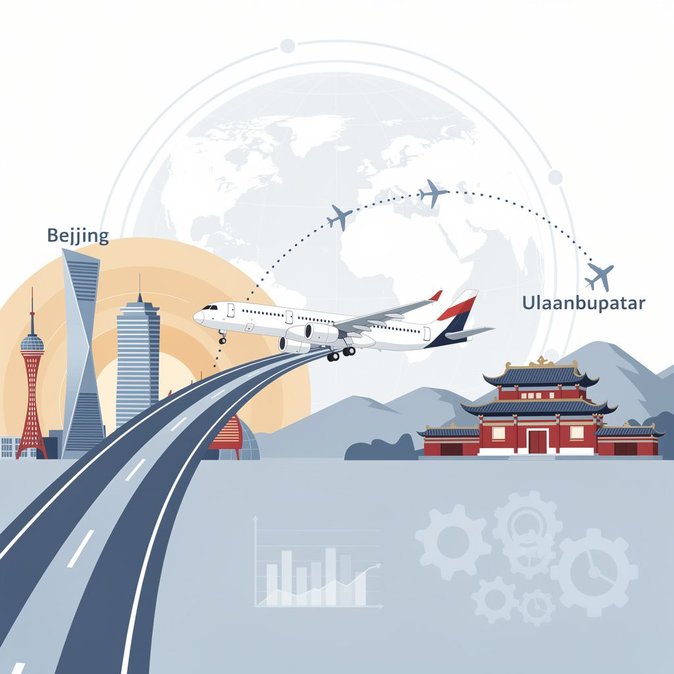
China’s home-grown C919 jet set for first international service between Beijing and Ulaanbaatar
Air China will put China’s domestically developed C919 jet on a daily Beijing–Ulaanbaatar schedule from 12 August, marking the aircraft’s first international deployment. The move advances Beijing’s goal of reducing reliance on Western jets, provides valuable operating data for future foreign certification, and opens new narrow-body capacity for business travellers on secondary city pairs. Suppliers and MRO joint ventures stand to benefit as the fleet’s international hours accumulate.

Heavy rain belt triggers transport shutdowns and tourist site closures across southern China
A government Level-III rain emergency on 19 July has shut down high-speed rail segments, delayed flights and forced the closure of major tourist attractions from Yunnan to Shanghai. Business travellers face itinerary upheaval and supply-chain managers are rerouting freight away from flooded corridors. Companies should monitor transport bulletins closely and build contingency time into July–August travel plans.