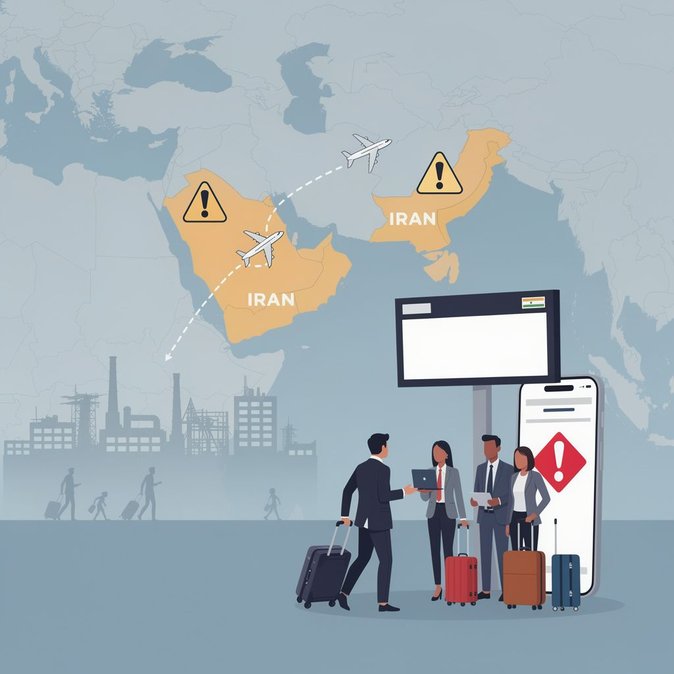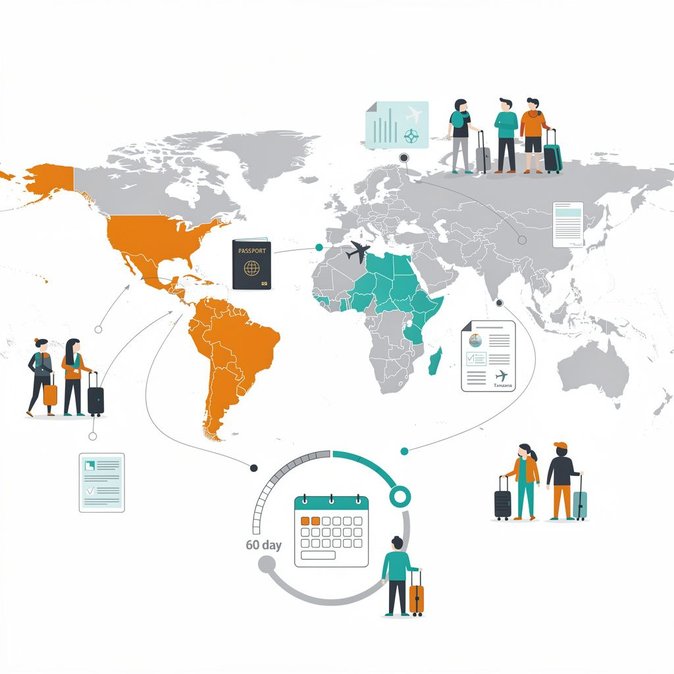
The High Commission of India in Dar es Salaam updated its tourist-visa guidelines on 20 July 2026, restating that nationals of Afghanistan, China, Iran, Pakistan, Iraq, Sudan and Bangladesh—as well as stateless persons and foreigners of Pakistani or Bangladeshi origin—must observe a minimum two-month gap between successive entries to India on a tourist visa. The clarification also covers travellers using India as a hub for ‘neighbourhood tourism’: limited double or triple entries may be granted case-by-case but require prior High Commission approval. Although the cooling-off rule is not new, its re-publication signals renewed enforcement at Indian ports of entry following reports of visa overstays and illicit onward travel into sensitive border regions. Immigration officers have been instructed to deny boarding to travellers who violate the gap rule, even if they hold a valid multiple-entry sticker. For travel managers arranging regional tours that combine India with Nepal, Bhutan or Sri Lanka, the advisory means itineraries must allow at least 60 days before re-entry. Alternatively, a business visa or e-Conference visa may offer greater flexibility. The update also serves as a reminder that border-country nationals face enhanced scrutiny: airlines must upload Advance Passenger Information correctly to avoid carrier-liability fines. As India continues to liberalise its e-Visa regime for most Western and ASEAN countries, the two-month rule underscores a dual-track policy—facilitating tourism growth while maintaining tight controls on arrivals deemed higher risk. Companies employing staff of the affected nationalities should consider longer-duration visas or residency permits (e.g., Employment or Student visas) to avoid unplanned travel interruptions.