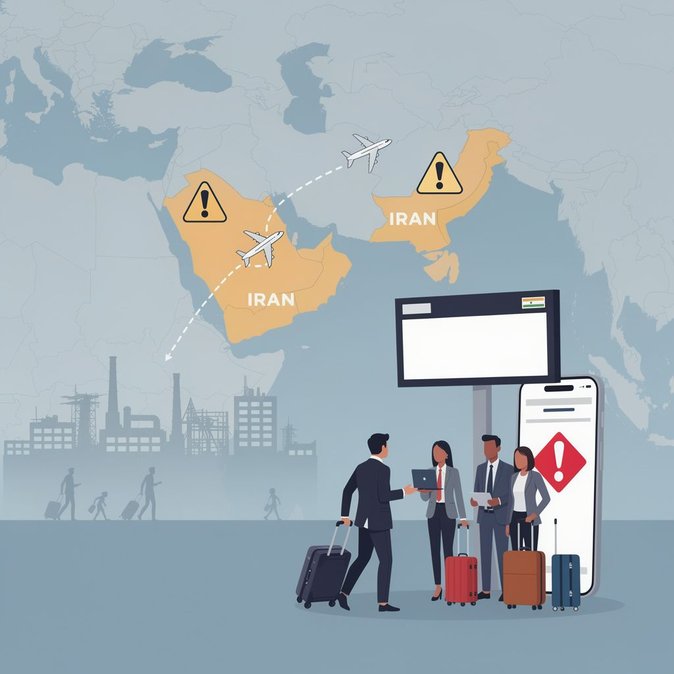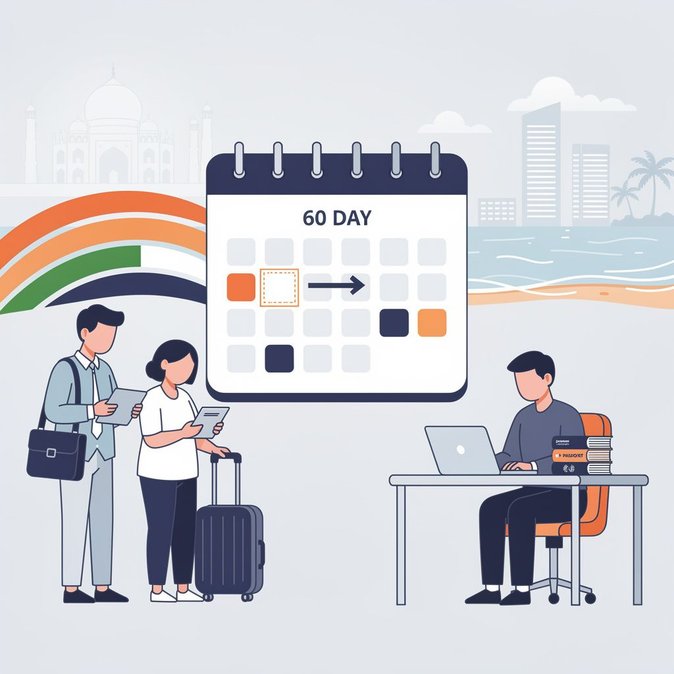
The High Commission of India in Dar es Salaam updated its visa webpage on 20 July 2026 to underline enforcement of the ‘two-month gap’ rule that applies to nationals of Afghanistan, China, Iran, Pakistan, Iraq, Sudan and Bangladesh, as well as stateless persons. Under this decades-old security provision, travellers from the listed countries must wait at least 60 days between two visits to India on a tourist visa unless they obtain a special exemption from the Foreigners Regional Registration Office (FRRO). Although the regulation itself is not new, the mission’s explicit reminder signals a tightening of scrutiny after several cases where dual-purpose travellers allegedly used back-to-back tourist entries to conduct informal business activities in India. FRRO officials in Mumbai confirmed that exemption requests will now require detailed itineraries, confirmed hotel bookings and—in some cases—police-clearance certificates from the applicant’s country of residence. Indian companies hosting short-term consultants or participants from the affected countries should revisit scheduling assumptions: consecutive on-site meetings may have to be consolidated into a single trip lasting the full 60-day allowance, or staggered across different visa categories such as Business (B) or Conference (C) visas. Failure to comply could lead to refusal of boarding or entry, with downstream reputational and contractual consequences. Travel-management providers are encouraged to build automatic alerts into booking engines that flag high-risk nationalities and prompt checks on the time elapsed since the traveller’s last Indian exit stamp. Where exemptions are essential—e.g., for urgent maintenance of critical equipment—sponsors should submit requests at least four weeks before intended arrival, accompanied by justification letters and proof that no Indian national can perform the task. The update also advises airlines operating out of East Africa to ensure that affected passengers either have the requisite gap or carry exemption documentation, as carriers may be fined for transporting inadmissible passengers under India’s Immigration Act.