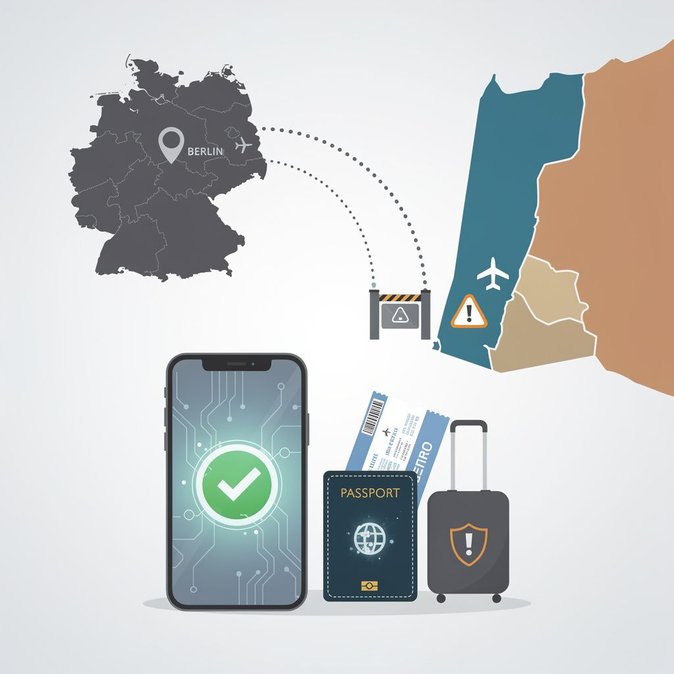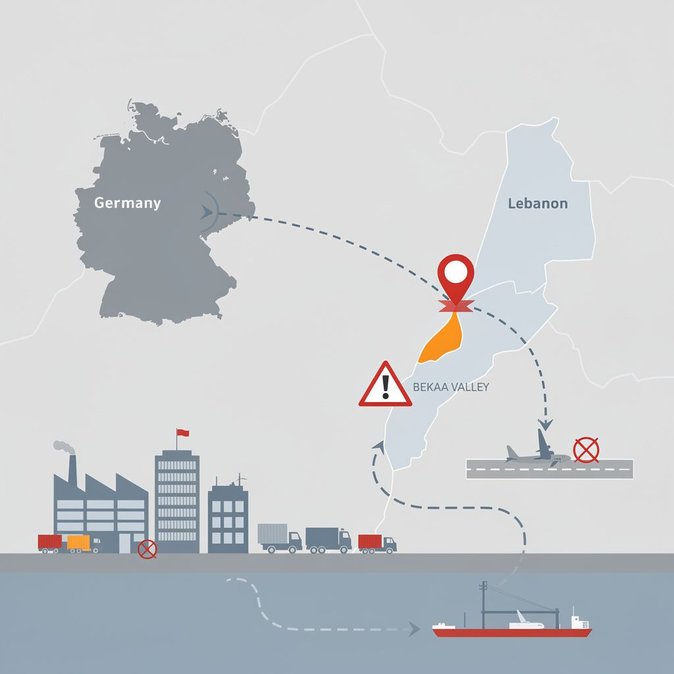
In an advisory released on 21 July 2026, the German Foreign Office converted large parts of Lebanon—from Beirut southwards, the Bekaa Valley, Baalbek-Hermel and all Palestinian refugee camps—into full no-go areas. Travellers are now urged to avoid these zones entirely, while trips to the rest of the country are ‘strongly discouraged.’ The decision follows a 14 June Israeli precision strike on Beirut’s southern suburbs and intermittent rocket fire by Hezbollah across the Blue Line. Although a US-mediated framework for de-escalation was signed in June, German diplomats warn the cease-fire is fragile and could unravel quickly. Implications for business travellers are significant. Beirut’s Rafic Hariri International Airport remains operational but insurers have shifted the airport into a higher risk bracket, triggering surcharges of up to €400 per passenger itinerary. International schools and NGO headquarters are reviewing evacuation plans; several Fortune 500 firms have activated remote-work protocols for Lebanon-based staff. The advisory also cautions that border crossings to Syria may close without notice and that demonstrations in Tripoli can turn violent. Companies with supply chains running through the port of Beirut should diversify toward Larnaca (Cyprus) or Port Said (Egypt) to mitigate disruption. Mobility managers should ensure employees register in ELEFAND, keep hotel choices close to Hamra or Downtown—areas considered moderately safer—and maintain ‘grab-and-go’ bags containing travel documents, cash and power banks. The Foreign Office emphasises that any transit via the southern coastal highway is currently inadvisable.
Source: Auswärtiges Amt