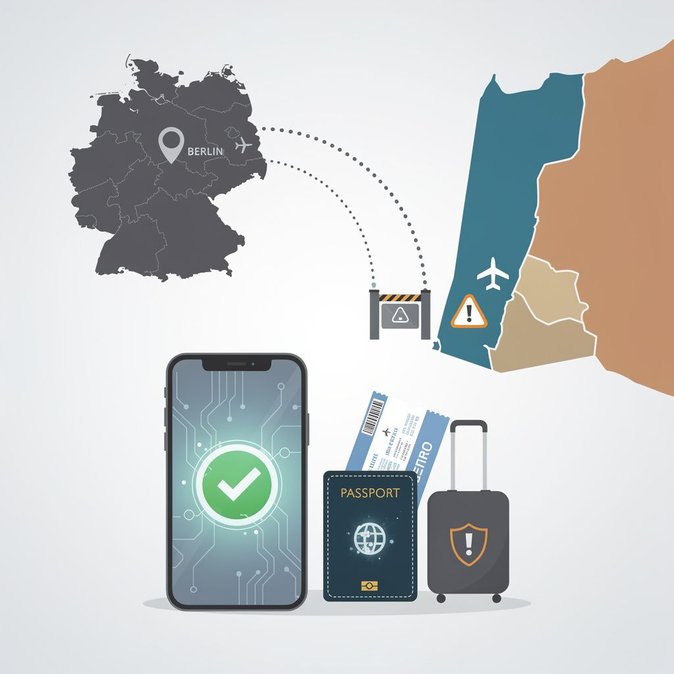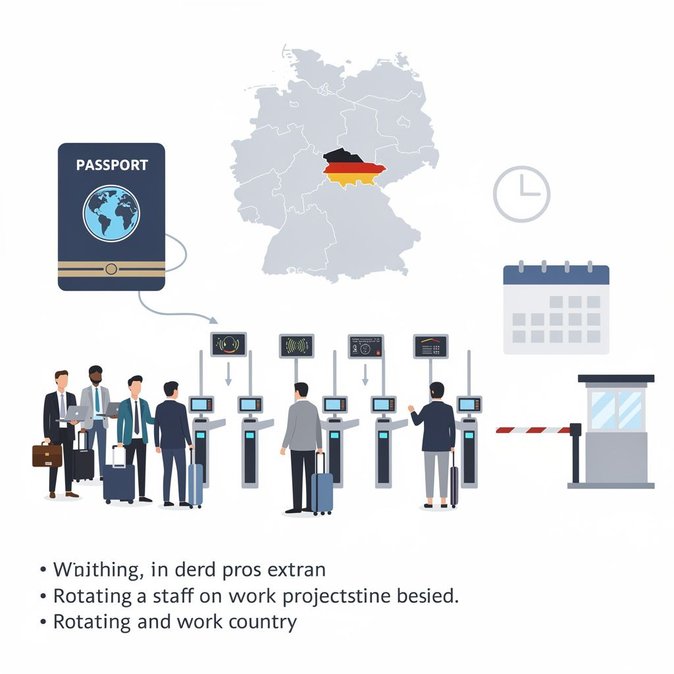
Australia’s Department of Foreign Affairs and Trade has refreshed its Smartraveller page for Germany, time-stamping the advice as current on 22 July 2026. Although the overall risk rating remains at “Exercise normal safety precautions”, the notice prominently flags two mobility issues: the EU’s fully-operational Entry/Exit System (EES) and Germany’s decision to keep temporary controls at all land borders until at least 15 September 2026. The EES now captures fingerprints and facial images from every non-EU national on first entry to the Schengen Area and automatically calculates the 90/180-day allowance. Travellers with frequent multi-country itineraries must make sure they do not overstay, as the new system removes previous loopholes based on unused passport stamps. Dual nationals are urged to enter and exit on the same passport to avoid mismatched biometric files. For business-travellers the most immediate impact is time: EES kiosks add an estimated 30–60 seconds per person the first time data are taken, and border guards warn of longer queues on high-volume days until patterns stabilise. Companies should brief visiting staff to allow extra buffer time when connecting through EU hubs to German meetings. The advisory also confirms that Germany’s temporary land-border checks with Austria, Poland, Czechia, Switzerland and the Benelux countries will stay in place through the summer. Autocarriers and shuttle-services report sporadic delays, particularly at the Kufstein and Świecko crossings. Mobility managers should monitor live traffic feeds and schedule driver hours accordingly.